A long outage turns dinner into a puzzle. The stove's out, the microwave's out, and if you have an electric range, so is the oven. People get creative, and every year, some of that creativity ends in carbon monoxide poisoning or a fire.
Here are the safe ways to eat and cook when the power's out, from no-cook meals to outdoor cooking, plus the indoor mistakes to never make.
The Golden Rule
Anything that burns fuel goes outside. Grills, camp stoves, and propane burners produce carbon monoxide, an invisible gas that can kill. Never use them inside your house, garage, carport, or on a covered porch that traps air. Keep them well away from doors, windows, and vents. Our guide to carbon monoxide safety during power outages explains the risk.
Option 1: Skip Cooking Entirely
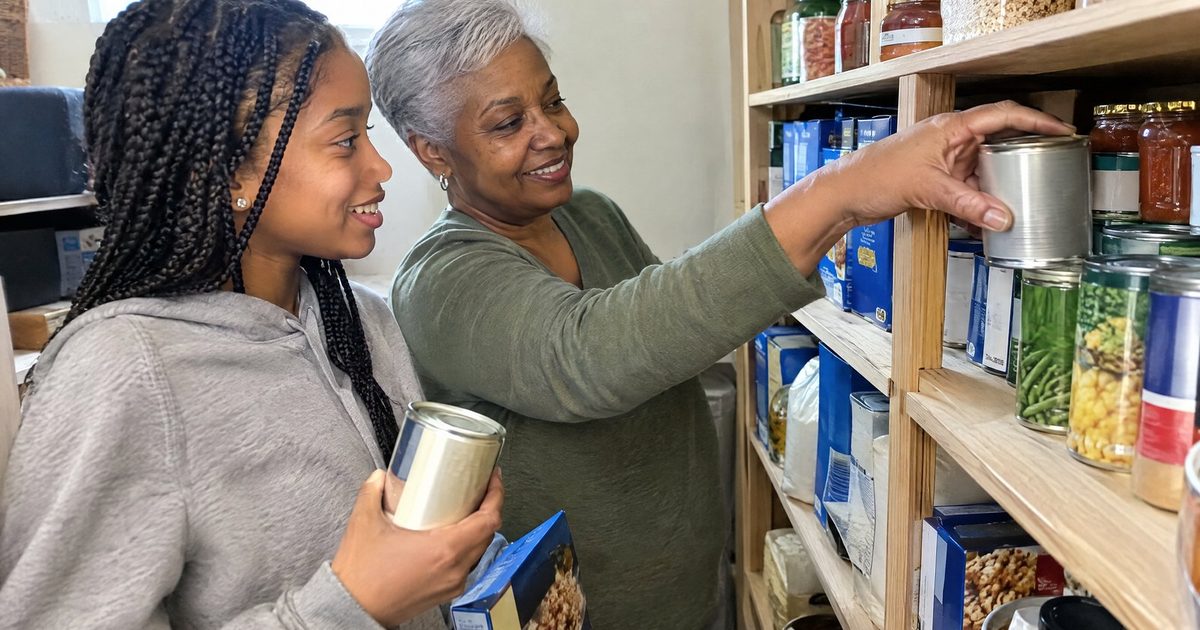
The easiest outage meal is one that needs no heat. Stock plenty of no-cook foods:
- Canned tuna, chicken, and beans (eat beans straight from the can or toss into a salad)
- Peanut butter, crackers, and bread
- Tortillas with canned chicken and salsa
- Cereal with shelf-stable milk
- Fruit cups, applesauce, and dried fruit
- Nuts, trail mix, and protein bars
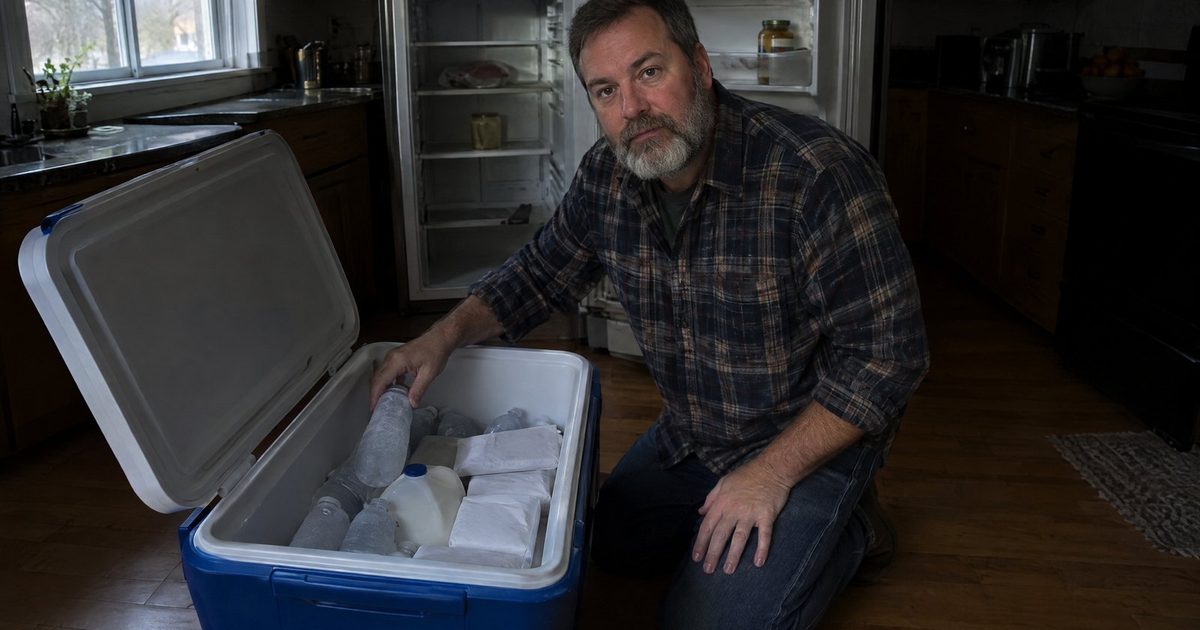
This also helps you eat through your fridge food first, before it spoils. Our guide to keeping food cold when the power goes out explains the timing.
Option 2: Small Electric Appliances on a Power Station
A portable power station like the Jackery Explorer 1000 v2 Power Station can run some small kitchen appliances, which is fully safe indoors because there's no flame and no fumes.
- An electric kettle boils water fast for coffee, tea, oatmeal, and instant meals.
- A slow cooker on low uses relatively little power, though it runs for hours.
- A small single-burner induction cooktop can work on larger power stations.
Check the math first: look at the appliance's wattage and make sure your power station can handle it. High-watt appliances drain a battery quickly, so cook in short bursts and save power for phones and lights.
Option 3: Outdoor Grills
A gas or charcoal grill is one of the best outage cooking tools, as long as it stays outside.
- Set it up outdoors, in the open, at least several feet from the house.
- Never use a charcoal grill indoors or in the garage, even with the door open.
- Cook thawing freezer food first: meat that's starting to thaw is perfect for the grill.
- Keep extra propane or charcoal on hand before storm season, stored outdoors and away from the house.
Option 4: Camp Stoves (Outdoors)
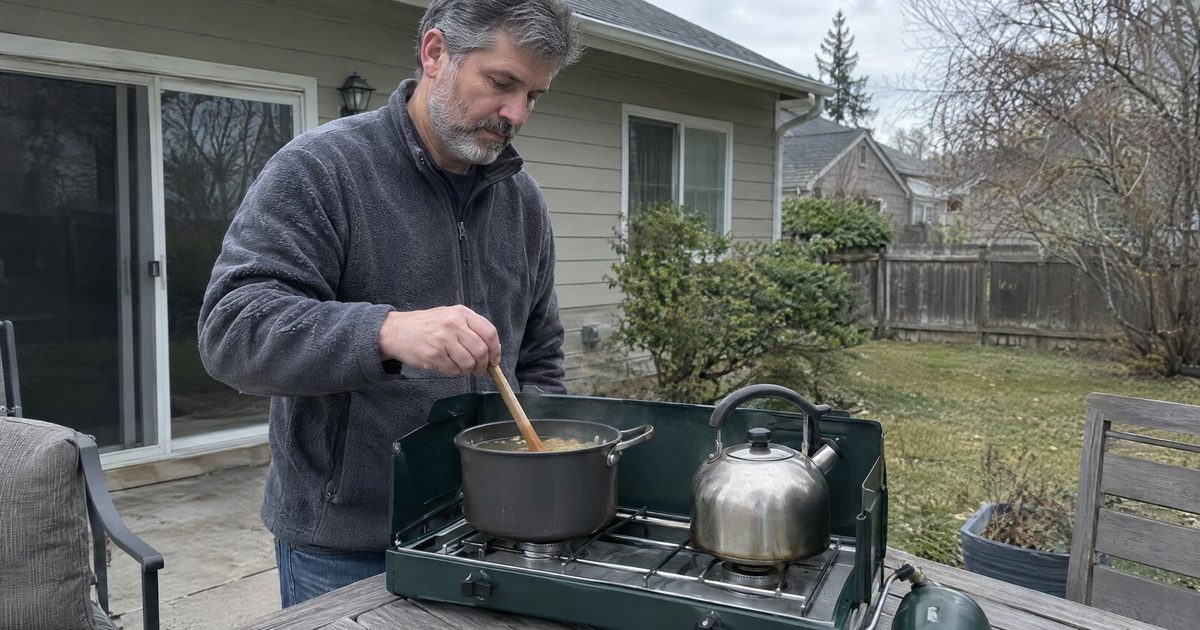
A propane camp stove like the Coleman Classic Propane Camp Stove lets you boil water, fry eggs, and heat soup outside. It's compact, easy to use, and runs on small propane cylinders. Two-burner models let you cook a main dish and boil water at the same time, and compact boil-only stoves are great for coffee and instant meals.
What About Butane Stoves Indoors?
Some portable butane stoves are marketed for indoor use with good ventilation. Any open flame still produces carbon monoxide, so the safest place to cook is outdoors. If you ever cook with a flame indoors, follow the manufacturer's instructions exactly, keep a window open, keep it brief, and run a battery-powered CO alarm like the Kidde Battery-Powered CO Detector.
Option 5: The Fireplace
A working, inspected wood-burning fireplace can heat a pot of water or cook food on a grate, with the damper open. Keep kids and pets away, and never leave the fire unattended.
Option 6: Thermos Cooking
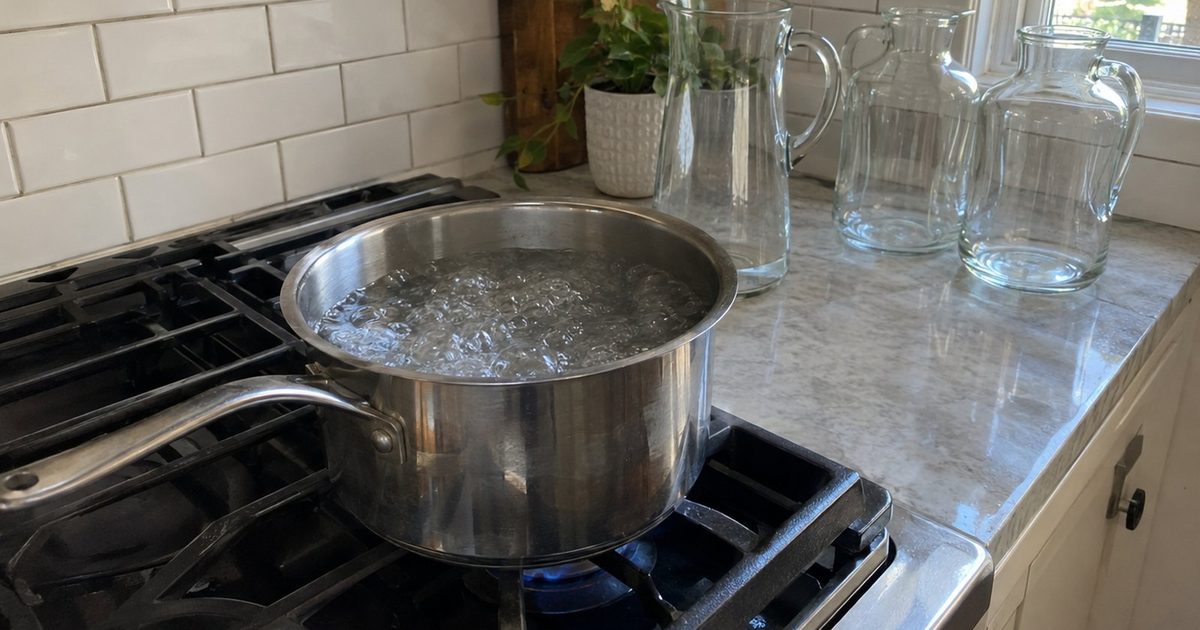
Here's an old trick that saves fuel. Boil water once, pour it over oats, rice, or pasta in a good insulated thermos, seal it, and let it sit. The trapped heat finishes the cooking over a few hours, without using more fuel.
Easy Outage Meals
- Breakfast: oatmeal made with kettle water, peanut butter on toast, or cereal with shelf-stable milk.
- Lunch: tuna or chicken salad wraps, crackers and cheese, canned soup heated on the grill.
- Dinner: grilled meat from the thawing freezer, canned vegetables, and rice made with boiled water.
- Backup: a pre-packed meal from an emergency bucket like the ReadyWise 120-Serving Emergency Food Bucket, which only needs boiling water.
Cleaning Up Without Running Water
If the water's out or under a boil notice, cleanup takes planning. Use paper plates and disposable utensils to cut down on dishes. Wipe pans with paper towels before washing. For anything you do wash, use boiled or bottled water, and keep a bottle of hand sanitizer by the cooking area. Bag food scraps tightly and keep them outside, so a long outage doesn't bring pests into the kitchen.
Never Do These
- Use a grill, camp stove, or generator indoors, in a garage, or on an enclosed porch.
- Use your gas oven or stovetop to heat the house.
- Leave any flame unattended.
- Cook near anything flammable, like curtains, paper towels, or dish towels.
More outage gear is in our Power Outage Essentials list.
Frequently Asked Questions
How can I cook during a power outage?
Eat no-cook foods first, use small electric appliances on a power station indoors, and cook on a grill or camp stove outdoors only.
Can I use a camp stove inside during an outage?
Most camp stoves are made for outdoor use and produce carbon monoxide. Cook outdoors, away from the house, and never in a garage.
Is it safe to grill in my garage if the door is open?
No. Carbon monoxide can build up to dangerous levels even with the garage door open.
What's the easiest meal to make without power?
No-cook foods like tuna wraps, peanut butter crackers, and cereal with shelf-stable milk, or instant meals made with boiled water.