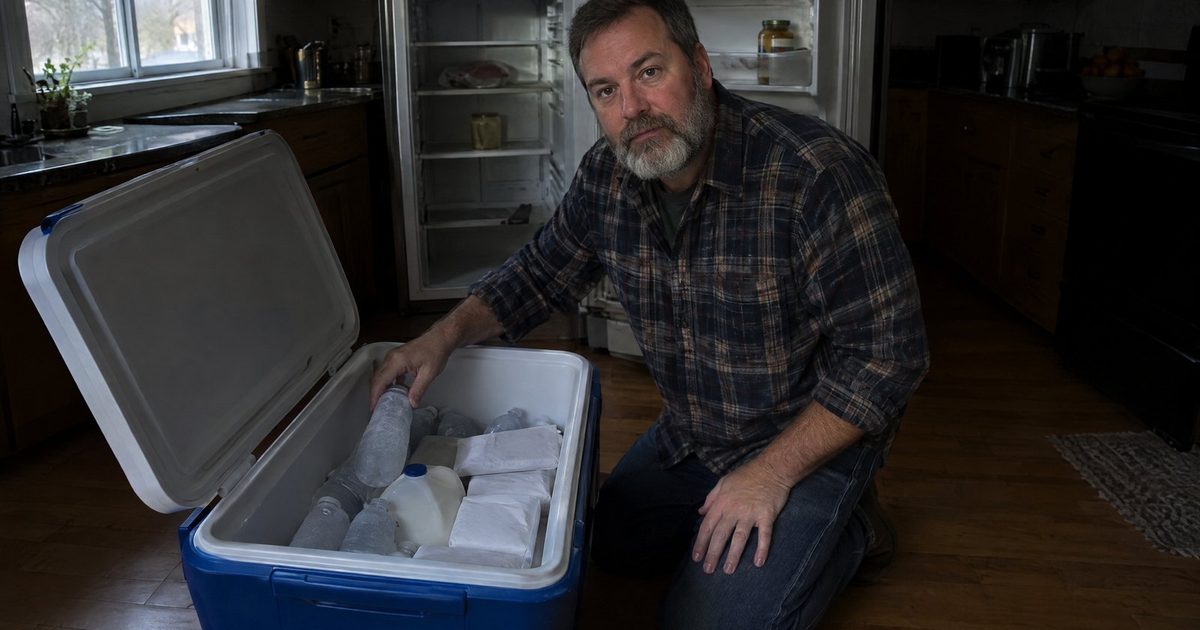
After a flood, the water coming out of your tap might look perfectly clear and still make your family sick. Floodwater can overwhelm treatment plants, break water lines, and seep into private wells, carrying bacteria, viruses, and parasites with it.
Here's what a boil water notice means, how to make your water safe, and what to do if you're on a private well. The guidance below follows CDC recommendations.
What a Boil Water Notice Means
When local officials think your water might be contaminated, they issue a boil water notice (sometimes called a boil water advisory). It means the water may contain germs, so you should boil it before drinking it or using it to cook.
There's a stronger warning, too. A do not drink or do not use notice means boiling won't make the water safe, often because of chemical contamination. In that case, use bottled or stored water only, and follow official instructions exactly.
Where to find notices: your local water utility, your county or city website, local news, and emergency alerts. A weather radio or local radio station will also carry them during outages.
How to Boil Water Correctly
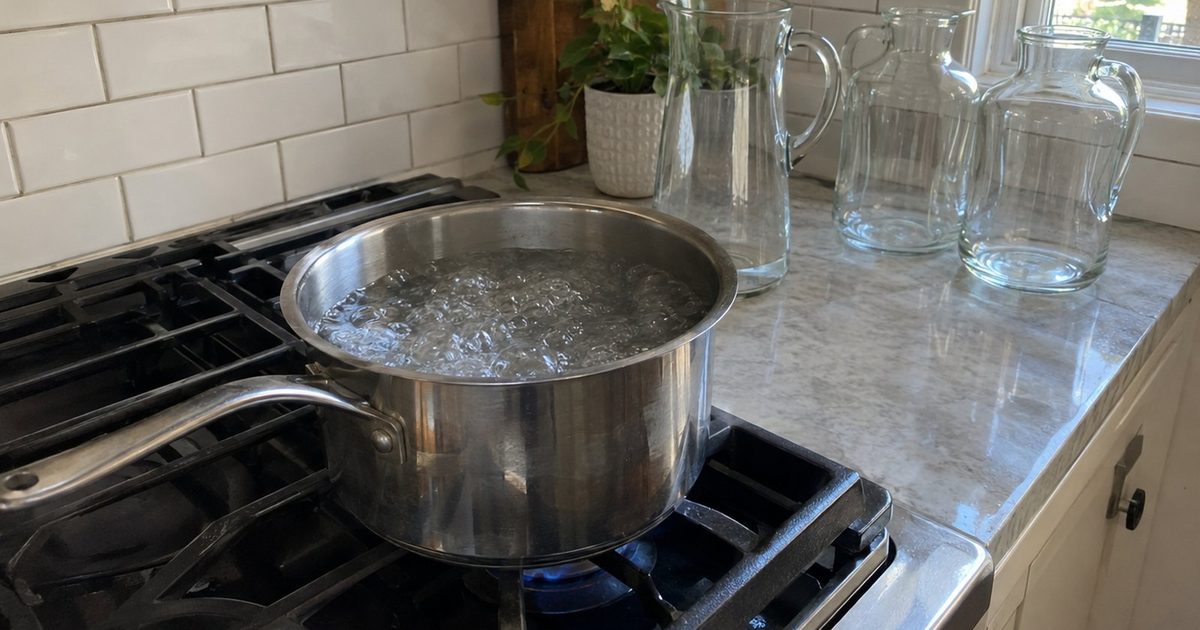
- Bring water to a full, rolling boil for 1 minute. If you live above 6,500 feet, boil for 3 minutes.
- If the water is cloudy, let it settle first, then pour the clear water off the top, or filter it through a clean cloth or coffee filter before boiling.
- Let it cool, then store it in clean, covered containers.
- Improve the taste, if needed, by pouring it back and forth between two clean containers or adding a pinch of salt per quart.
If You Can't Boil: Disinfect With Bleach
If the power is out and you can't boil, you can disinfect clear water with plain household bleach. Use unscented liquid bleach with no added cleaners or scents.
For regular bleach that's about 6 percent sodium hypochlorite, the CDC's guidance is roughly 8 drops (about 1/8 teaspoon) per gallon of clear water. Check your bottle's label, because concentrations vary, and if your bleach is stronger, you'll need less. Stir it, then wait 30 minutes before using it. The water should have a slight chlorine smell. If it doesn't, repeat the dose and wait another 15 minutes.
Purification tablets like Potable Aqua Water Purification Tablets are another option. Follow the package directions. They're light and easy to keep in a kit.
What About Water Filters?
A portable filter like the Sawyer Squeeze Water Filtration System (SP129) removes bacteria and parasites, which makes it great for camping and many emergencies. But most portable filters don't remove viruses or chemicals. After a flood, the safest approach is to filter cloudy water to clear it, then boil it or disinfect it. For more options, read 7 ways to purify water when the tap fails.
What You Can and Can't Use Tap Water For
During a boil water notice, use boiled, disinfected, or bottled water for:
- Drinking
- Cooking and making ice
- Brushing teeth
- Making baby formula
- Washing fruits and vegetables
- Giving water to pets
In most cases, you can still use tap water for bathing and showering, as long as you don't swallow any. Be extra careful with babies and young children, and use a sponge bath if needed. For dishes, use a dishwasher with a hot-water and sanitizing cycle, or wash by hand and then rinse in a diluted bleach solution, following local guidance.
Throw out ice made during the notice period, and don't use water from the fridge dispenser until the notice is lifted.
When the Notice Is Lifted
Your utility will announce when the water is safe again. Then:
- Run cold water taps for several minutes to flush the pipes.
- Flush your fridge's water line and throw out the first few batches of ice.
- Replace any water filter cartridges in your home.
If You're on a Private Well
If floodwater covered your wellhead, assume your well is contaminated.
- Don't drink the well water until it's been disinfected and tested.
- Contact your local health department. Many offer well testing and instructions for disinfecting, which is often called "shocking" the well.
- Use bottled or stored water in the meantime.
- Get the water tested after disinfecting to make sure it's safe.
The Best Fix: Store Water Before the Storm
The easiest way to get through a boil water notice is to already have safe water stored. The standard is one gallon per person per day, with a two-week supply as the goal. Stackable containers like the Scepter 5-Gallon Water Storage Jug make it simple. Our water storage guide has the math for your household.
Frequently Asked Questions
How long should I boil water during a boil water notice?
Bring it to a full rolling boil for 1 minute, or 3 minutes if you live above 6,500 feet.
Can I shower during a boil water notice?
Usually yes, as long as you don't swallow the water. Give babies and young children sponge baths to avoid accidental swallowing.
How much bleach do I use to disinfect water?
For regular unscented bleach around 6 percent, about 8 drops per gallon of clear water. Stir and wait 30 minutes. Check your bottle's label, since concentrations vary.
Does a water filter make floodwater safe?
Not on its own. Most portable filters remove bacteria and parasites but not viruses or chemicals. Filter cloudy water to clear it, then boil or disinfect it.