El Niño is a Pacific Ocean event, but it reaches every corner of the country, just not the same way. One state braces for floods while another gets a mild, dry winter. If you're going to prep, you need to know which version of El Niño is headed to your house.
Here's the region-by-region outlook for winter 2026–27, based on how strong El Niño winters usually behave and on NOAA's seasonal outlooks as of early October 2026. One rule before you read: these are odds, not promises. A strong El Niño tilts the dice. It doesn't guarantee what any single week will bring.
The Big Picture
In a strong El Niño winter, the jet stream shifts south and pulls a steady line of storms across the southern U.S. That usually means:
- Wetter and stormier from California across the Southwest, Texas, the Gulf Coast, Florida, and the Southeast.
- Milder than normal across the northern tier, from the Pacific Northwest to New England.
- Drier than normal in parts of the Pacific Northwest, northern Rockies, Ohio Valley, and Great Lakes.
Now, region by region.
California: High Flood and Mudslide Risk
California's wettest winters cluster in strong El Niño years, and NOAA's winter outlook gives Southern California some of the best odds in the country for above-normal rain. Repeated storms, sometimes fed by atmospheric rivers, can cause flash flooding, river flooding, and mudslides, especially below hillsides that burned in recent wildfire seasons. Northern California is less certain and could go either way.
Prep focus: flood barriers for low entry points, a go-bag for evacuation orders, and a plan if you live below a burn scar.
The Southwest: Arizona and New Mexico
Wetter than normal is favored here too, which helps with drought but brings flash flood danger to washes, dry riverbeds, and low roads. Desert soil doesn't absorb heavy rain quickly, so water moves fast.
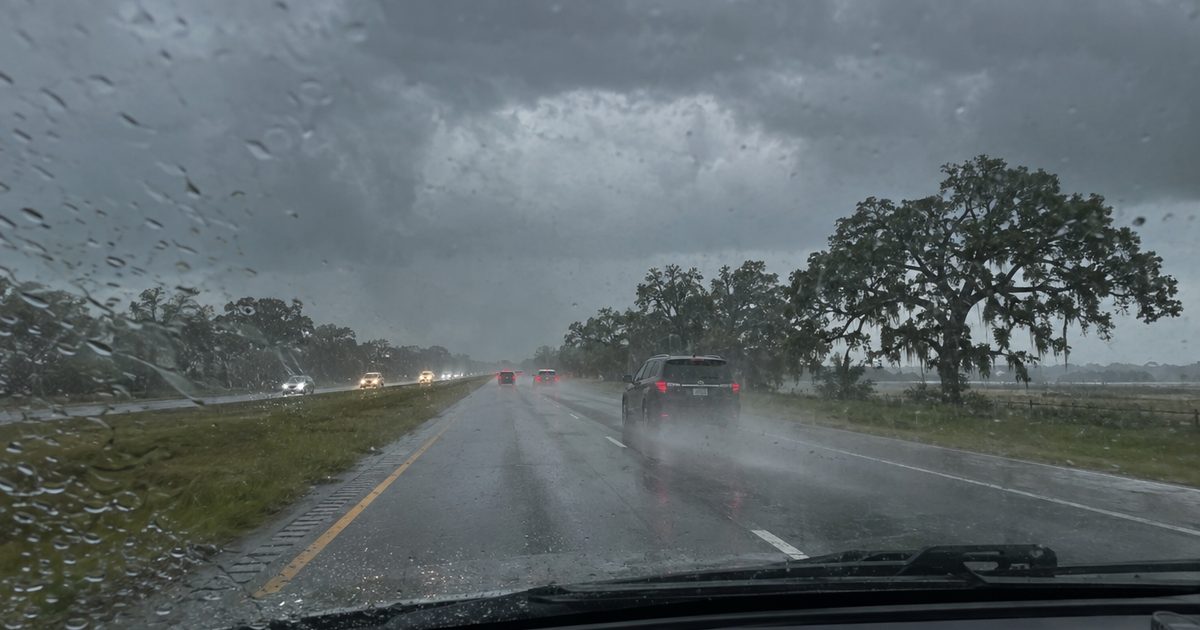
Prep focus: never drive into a flooded wash. Our flood driving safety guide explains why six inches of moving water is enough to knock you off your feet.
Texas and the Southern Plains: Flooding
Strong El Niño winters often bring repeated heavy rain to Texas and Oklahoma. The flood danger grows as the season goes on and the ground stays saturated. When cold air pushes south, ice storms are also possible.
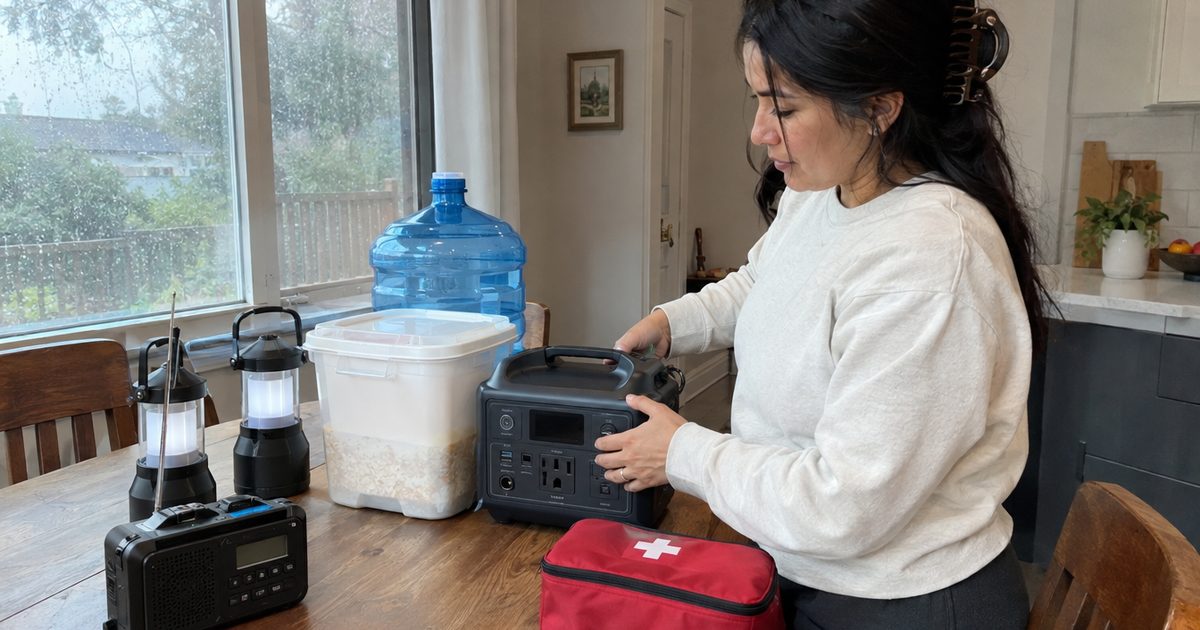
Prep focus: flood prep, outage prep, and keeping a two-week supply of water and food.
The Gulf Coast: Louisiana, Mississippi, and Alabama
This is one of the most reliable El Niño signals: a wetter, stormier winter along the Gulf Coast, with an elevated flood risk from repeated heavy rain events.
Prep focus: clear drains and gutters, test your sump pump, and keep flood barriers like the quick-dam-5ft ready for doorways and garage doors. Work through our El Niño flood preparedness checklist.
Florida: Wet Winter and Winter Severe Storms
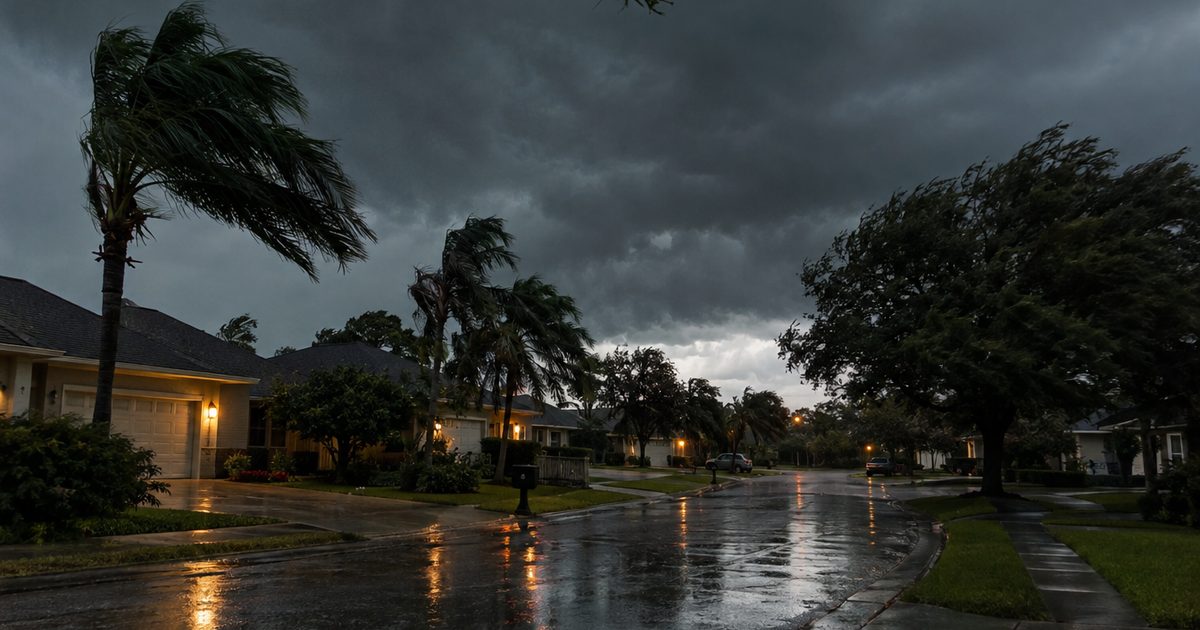
Florida offers one of the clearest El Niño fingerprints. Winters tend to run wetter and cooler than normal, and strong El Niño years raise the risk of winter severe storms, including tornadoes, during what's normally a quieter season. During the 1997–98 super El Niño, central Florida was hit by a deadly tornado outbreak in February.
Prep focus: a weather radio like the midland-wr120 that wakes you up for overnight warnings, plus a safe room plan.
The Southeast: Georgia and the Carolinas
The Southeast is among the regions most likely to see a wetter winter. Temperatures often stay near normal or a bit cooler, which matters: when cold air arrives on top of all that moisture, ice storms become a real threat to trees and power lines.
Prep focus: outage prep. A battery power station like the jackery-300 keeps phones and lights going safely indoors. See our El Niño winter storm prep guide.
The Mid-Atlantic and Northeast: Milder, But Not Storm-Free
These regions usually lean warmer during strong El Niño winters, and some strong El Niño winters have brought less snow on average. But coastal storms can still pack heavy rain, wind, and, when cold air lines up, big snow.
Prep focus: basic outage and winter prep. Don't assume a mild forecast means a quiet winter.
The Midwest, Ohio Valley, and Great Lakes: Milder and Often Drier
The northern Midwest and Great Lakes have some of the best odds for a warmer-than-normal winter, with drier conditions favored in parts of the region. Fewer deep cold snaps are likely, though not guaranteed.
Prep focus: keep a winter car kit, and don't skip pipe insulation just because the outlook is mild.
The Northern Plains: Mild Winter Likely
Montana, the Dakotas, and Minnesota often see one of El Niño's strongest warm signals. A milder winter is likely, though a single cold blast can still be dangerous.
The Pacific Northwest and Northern Rockies: Warmer and Drier
Here El Niño often means a warmer, drier winter and lower snowpack. That sounds pleasant, but low snowpack can mean water shortages and a tougher wildfire season the following summer.
Prep focus: water storage, like a scepter-water-jug supply, and our El Niño drought prep guide.
Alaska and Hawaii
Alaska often runs warmer than normal during El Niño. Hawaii, on the other hand, tends to have a drier-than-normal winter during El Niño years.
Who Gets Hit Hardest?
If we had to rank the risk, the southern tier carries it: Southern California for floods and mudslides, the Gulf Coast and Texas for repeated flooding, Florida for winter severe storms, and the Southeast for flooding and ice. The northern half of the country mostly gets a break, with a drought risk in the Northwest to watch for next summer.
NOAA updates its outlooks monthly, so check back. For gear matched to the southern storm belt, see our El Niño 2026 Prep Gear list.
Frequently Asked Questions
Which states will El Niño 2026 affect the most?
The southern tier carries the most risk: California, Arizona, New Mexico, Texas, the Gulf Coast states, Florida, Georgia, and the Carolinas, mainly from heavy rain and flooding.
Will El Niño bring snow to my state?
It depends. Northern states usually see a milder winter, sometimes with less snow. In the South, cold air arriving on top of heavy moisture can bring ice storms or occasional snow.
Is El Niño good for drought?
In the Southwest and California, extra rain can ease drought, though it can also cause flooding. In the Pacific Northwest, El Niño often makes drought worse because of low snowpack.
How accurate are El Niño forecasts?
The ocean forecast is very reliable this year. The regional weather outlook shows likely tendencies, not guarantees, so individual storms can still surprise any region.