El Niño winters are a study in contrasts. Some regions stay unusually mild, while the shifted storm track can drive powerful winter systems into places that rarely see them — and that unpredictability is exactly what catches people off guard. The real danger of a winter storm is rarely the cold by itself. It's the combination: cold plus a multi-day power outage, when your heat, your water, and your ability to cook all fail at once. Prepare for that combination before the first hard freeze, and a brutal storm becomes an inconvenience instead of an emergency. This guide is part of the full El Niño prep guide.
Insulate your pipes before the freeze
Frozen pipes are one of the most common and expensive winter-storm disasters. When water freezes it expands, and a burst pipe can flood your home in minutes once it thaws. Insulate exposed pipes in unheated spaces — basements, crawlspaces, garages, exterior walls — with foam sleeves, which cost only a few dollars per length. Just as important, locate your main water shutoff now and make sure everyone in the house knows where it is, so you can stop the flooding fast if a pipe does burst.
During an actual cold snap, let faucets drip slightly to keep water moving, and open cabinet doors under sinks so warm air reaches the pipes inside.
Stock a safe backup heat source
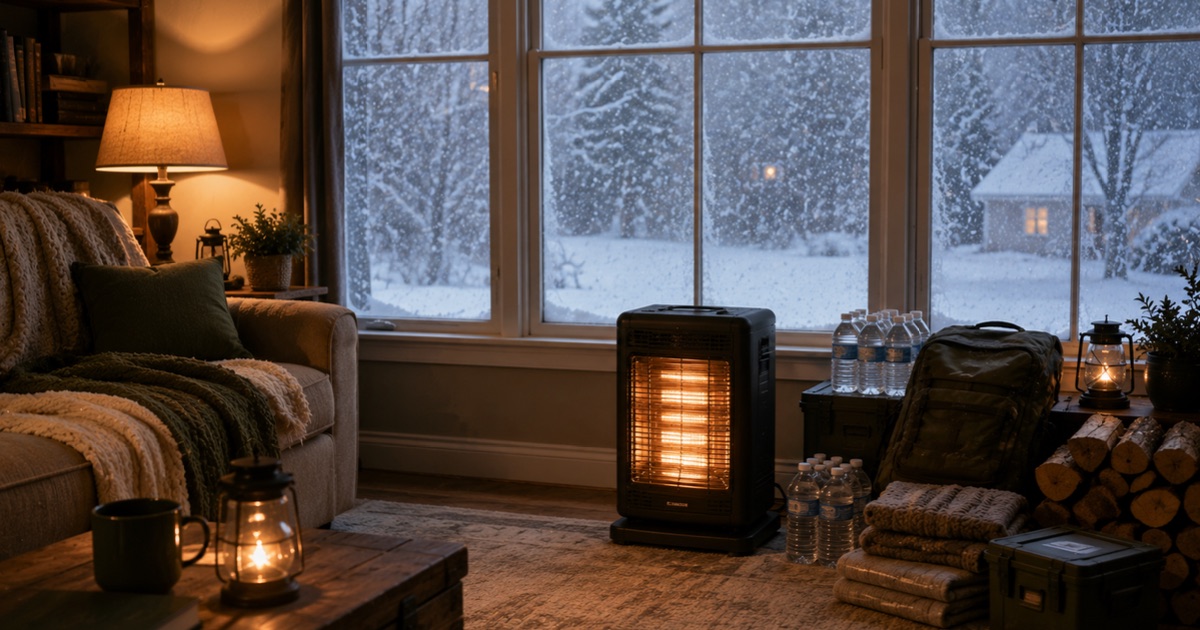
If the power fails in deep cold, you need a way to stay warm that doesn't depend on the grid. An indoor-rated heater like the Mr. Heater F232000 Portable Buddy Propane Heater is built for exactly this, with safety features that outdoor and combustion units lack. The cardinal rule: never use a grill, camp stove, or gas generator indoors or in a garage for heat. They release carbon monoxide that kills silently. Any time you run a combustion heater, a working Kidde AA Battery-Powered Portable Carbon Monoxide Alarm must be running alongside it. This is non-negotiable — CO poisoning spikes every single winter, and it's entirely preventable.
Keep two weeks of food and water
Winter storms can strand you for days, with roads impassable and stores closed or empty. Stock two weeks of shelf-stable food and water per person. One winter-specific wrinkle: keep your water where it won't freeze, since frozen storage does you no good when you're thirsty. A garage or unheated porch is a poor choice; an interior closet is better.
Winterize your vehicle and pack a car kit
El Niño's worst moments often catch people on the road. Check your battery (cold kills weak batteries), tires, antifreeze level, and wiper fluid before the season. Then build a dedicated car winter kit: blankets, hand warmers, water, high-calorie snacks, a flashlight, a small shovel, sand or cat litter for traction, and a charged power bank. If you're ever stranded, that kit is the difference between waiting in relative safety and a genuine emergency.
Have warmth ready inside
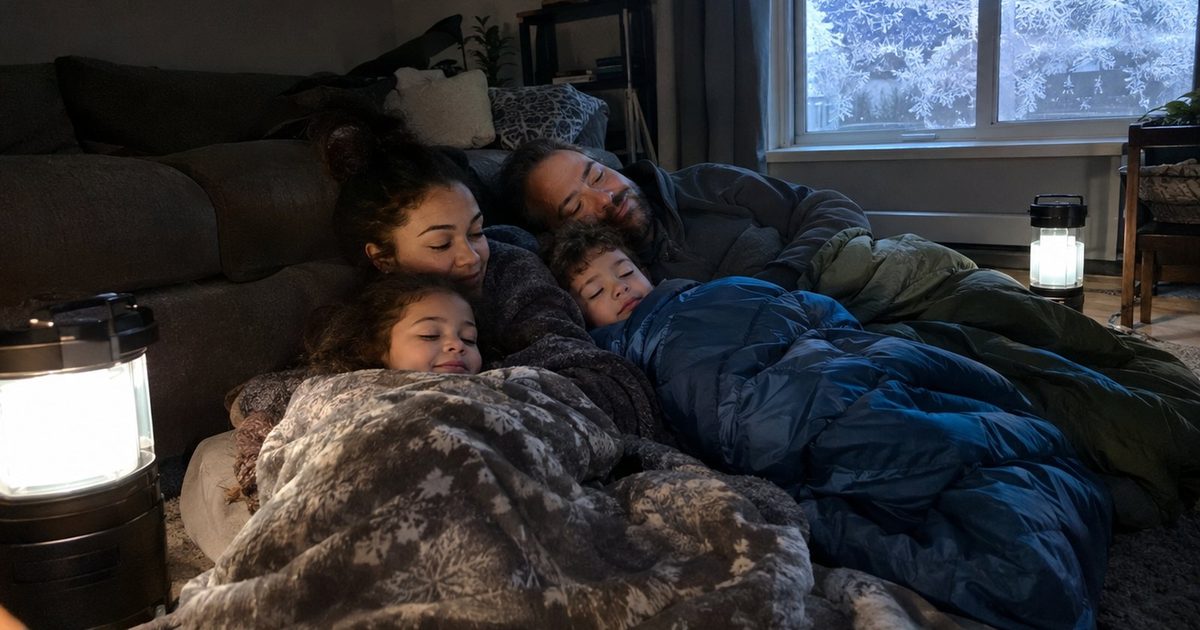
Beyond a heater, prepare to trap body heat. Stock layered clothing — thermal base layers, fleece, wool socks, hats — for everyone. A TETON Celsius XXL Sleeping Bag (0F) rated for genuinely low temperatures and a stash of PREPARED4X Mylar Emergency Blankets (8 Pack) let your household stay warm even if active heat fails entirely. The strategy during an outage is to seal off one room and concentrate everyone and all warmth there, which we cover in staying warm in a winter outage.
Charge everything when a storm is forecast
A large Anker 737 Power Bank (24000mAh 140W) keeps phones alive for days of emergency communication. When a winter storm appears in the forecast, top off every battery, power bank, and device you have, and fill containers with water in case service is interrupted.
Learn the warning signs of hypothermia
In a cold emergency, recognizing hypothermia early saves lives. The warning signs are shivering, slurred speech, confusion, drowsiness, clumsiness, and cold, pale skin. In infants, watch for bright red skin and very low energy. If you see these signs, get the person warm and dry, wrap them in blankets, give warm (not hot) drinks if they're alert, and seek medical help for anything beyond mild symptoms.
Before, during, and after the storm
Think of winter-storm readiness in three phases. Before: when a storm is forecast, charge everything, fill water containers, bring pets and vulnerable items inside, and make sure your heat source and CO alarm are ready. Park vehicles where falling limbs won't reach them. During: stay indoors, conserve device battery, keep one room sealed and warm, let faucets drip to protect pipes, and never use outdoor combustion equipment inside for heat. Check on elderly neighbors if you safely can. After: watch for downed power lines and treat every one as live, clear snow from vents and exhausts to prevent CO buildup, check pipes for damage as things thaw, and restock anything you used. Breaking it into phases keeps a major storm from feeling chaotic.
Frequently asked questions
Is it safe to heat my home with the oven or stove during an outage?
No. Gas ovens and stovetops release carbon monoxide and are a leading cause of CO poisoning during winter outages. Electric ovens won't work anyway, and leaving any oven door open for heat is dangerous. Use only equipment rated for indoor space heating, with a CO alarm running.
How do I keep my pipes from freezing if the power goes out?
Let faucets drip slightly to keep water moving, open cabinet doors so residual warmth reaches the pipes, and keep the home as insulated as possible by sealing off unused rooms. If you'll be away or the cold is extreme, consider shutting off and draining the water system. Always know where your main shutoff is.
How much food and water should I store for winter specifically?
The same baseline as any emergency — two weeks of food and one gallon of water per person per day — but store the water somewhere it won't freeze, and lean toward calorie-dense, no-cook foods since you may have no working stove.
What should go in a winter car emergency kit?
Blankets or a sleeping bag, hand warmers, water and high-calorie snacks, a flashlight with spare batteries, a small shovel, sand or cat litter for tire traction, jumper cables, a phone power bank, and a brightly colored cloth to signal for help. Keep it in the car all season.
How do I know if someone has hypothermia?
Early signs include intense shivering, slurred speech, confusion, drowsiness, and loss of coordination. As it worsens, shivering may stop — a dangerous sign. Get the person warm and dry, insulate them from the ground, and seek medical help for anything more than mild symptoms.
What's the most overlooked winter storm prep step?
Pipe protection. Frozen, burst pipes cause enormous, expensive damage, yet insulating exposed pipes and knowing where your main shutoff is takes little time and money. It's easy to focus on heat and food and forget the plumbing until a pipe bursts mid-storm.
Shop the full list on our Amazon storefront