A winter power outage is one of the most dangerous common emergencies, because cold can become life-threatening faster than people expect. The good news: staying warm without power is mostly about trapping the heat you have and adding heat safely. The bad news: the most common emergency heating mistakes can kill you. Let's cover both clearly.
First, trap the heat you already have
Before adding any heat source, conserve what you've got. This is free, safe, and often enough on its own.
- Close off one room and live in it. Heating a single small space is far easier than a whole house. Pick an interior room with few windows.
- Seal drafts — towels under doors, blankets over windows. Trapping air is most of the battle.
- Layer up. Several thin layers trap more warmth than one thick one. Add a hat — you lose real heat from your head.
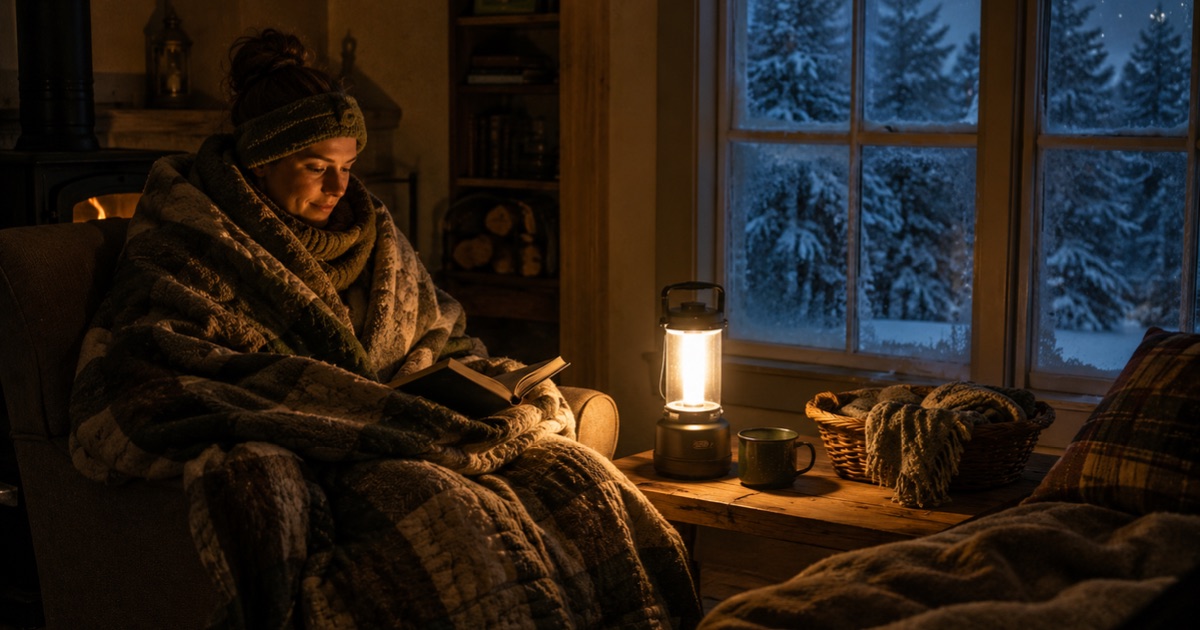
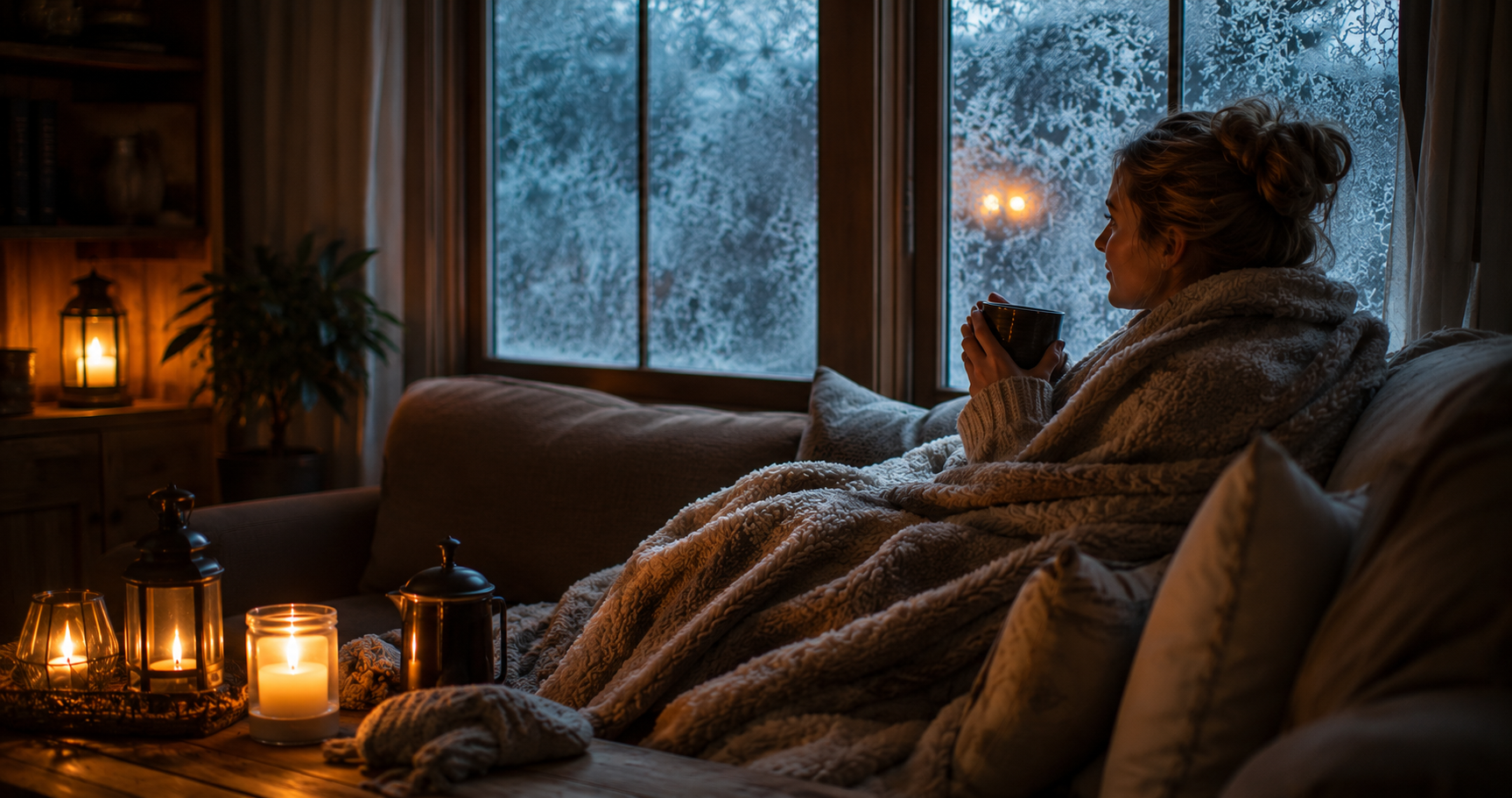
- Use the right bedding. A cold-rated sleeping bag or piling blankets traps body heat through the night. Share body heat as a family in one space.
- Eat and stay hydrated. Your body generates heat from food; warm drinks help too.
Add warmth safely
- Emergency mylar blankets. Mylar blankets reflect your body heat back to you, are cheap, and pack flat — keep several in every kit.
- Hand and body warmers. Air-activated warmers are safe indoors and great for extremities.
- An indoor-safe heater. If you use a heater, it must be one rated for indoor use. A propane heater designed for indoor use with an oxygen-depletion sensor is the type made for this — follow its instructions exactly, including ventilation.
The safety rules that save lives
This is the part that matters most. Improper emergency heating causes deaths every winter — almost always from carbon monoxide or fire.
- NEVER use a gas stove, oven, charcoal grill, or camp stove to heat your home. They produce carbon monoxide that can kill you indoors.
- NEVER run a generator indoors or in an attached garage — outdoors only, away from windows.
- Only use heaters rated for indoor use, and follow the ventilation instructions.
- Install a battery-powered carbon monoxide detector — CO is odorless and invisible, and a detector is the only way to know it is present. This is non-negotiable if you use any combustion heat source.
- Keep anything flammable away from heat sources, and never leave them unattended or running while you sleep unless they are specifically designed and rated for it.
If it gets truly dangerous
Know the signs of hypothermia — shivering, confusion, drowsiness, fumbling — and act early. If your home becomes unsafely cold and you cannot heat it safely, relocate to a warming shelter, a friend's home, or somewhere with heat. No belonging is worth a life; leaving is sometimes the right call.
Frequently asked questions
How do you stay warm during a power outage in winter?
Trap your body heat first: close off and live in one small room, seal drafts, layer clothing, wear a hat, and use mylar blankets and a cold-rated sleeping bag. Add heat only from sources rated for indoor use, with proper ventilation and a carbon monoxide detector.
Is it safe to heat a room with a gas stove or oven?
No. Never use a gas stove, oven, charcoal grill, or camp stove to heat your home — they release carbon monoxide, which is odorless and can be fatal indoors. Use only heaters specifically rated for indoor use.
What is the safest emergency heat source indoors?
Trapping body heat with layers, blankets, and mylar is safest of all. If you add a heat source, use one designed and rated for indoor use with an oxygen-depletion sensor, follow its ventilation rules, and always run a carbon monoxide detector.