A winter power outage during an El Niño cold snap is one of the most dangerous ordinary emergencies a household can face — and here's the part that surprises people: most of the deaths come not from the cold itself, but from unsafe attempts to stay warm. Carbon monoxide poisoning and house fires from improvised heating kill more people during winter outages than hypothermia does. So staying warm safely is the real skill. Here's how to keep your household warm and alive when the heat goes out. This pairs with winter storm prep and power outage prep.
Seal off one room and concentrate everyone there
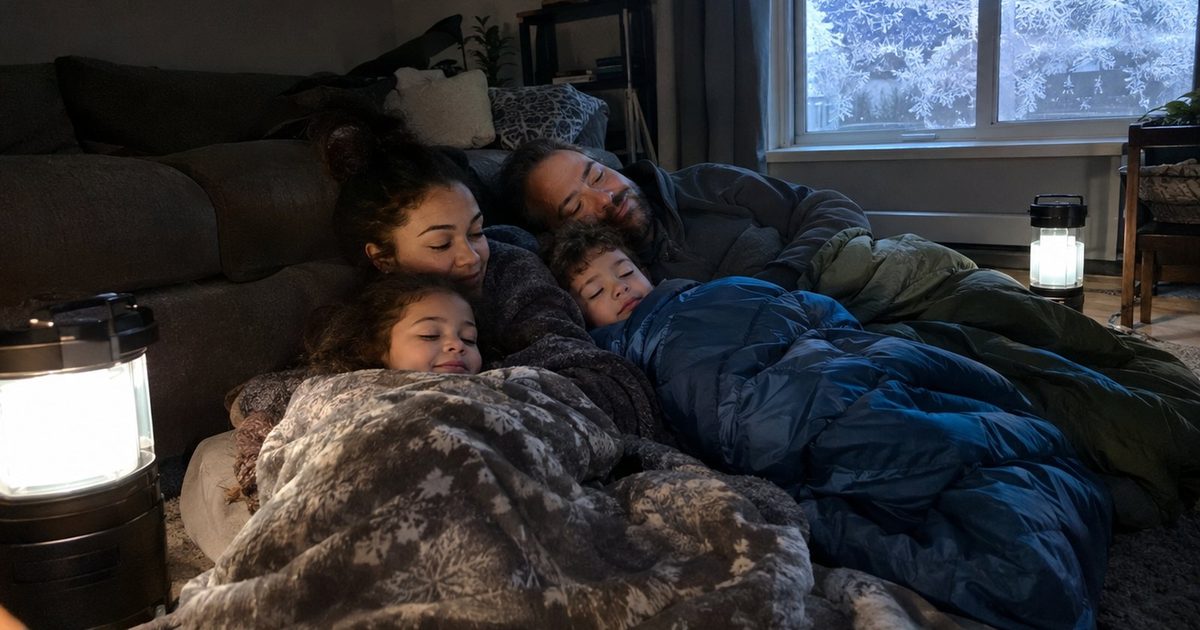
Don't try to heat your whole house — it wastes warmth you can't spare. Instead, choose one small interior room, ideally one without large windows and on a lower floor, and gather everyone and all your heat sources into it. Close the door, hang blankets over windows, and block the gap under the door with a rolled towel. Body heat alone, in a small sealed space with the family together, makes a real difference. This single strategy is the foundation of staying warm without power.
Layer clothing and trap body heat
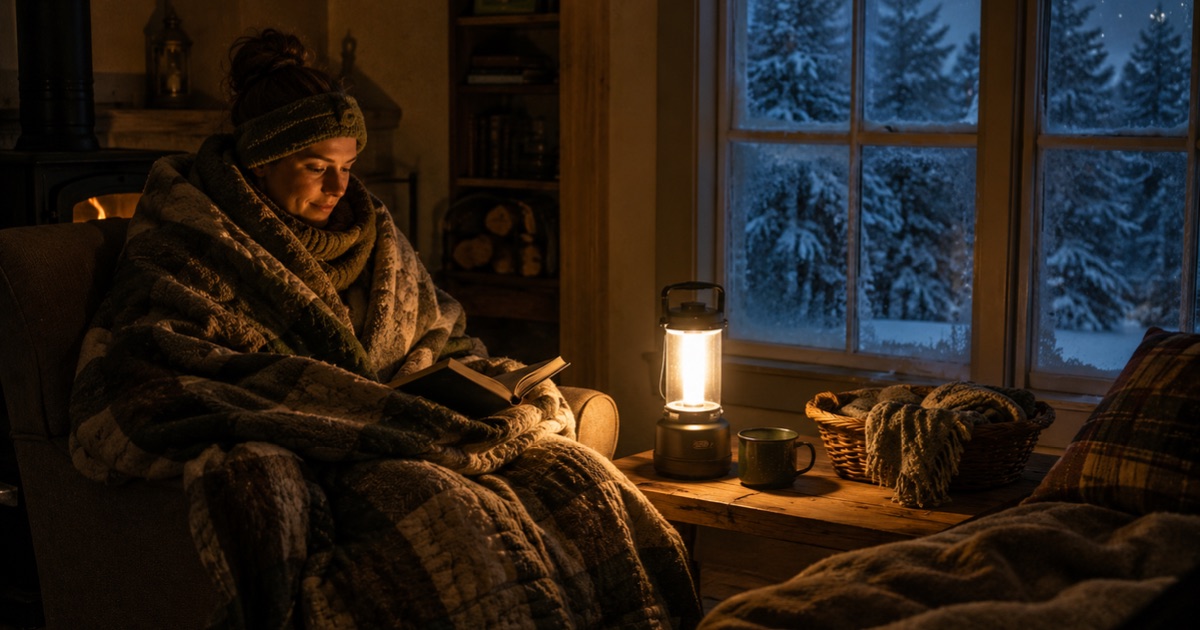
Your own body is a reliable heat source if you trap that warmth. Dress in layers — a thermal base layer, an insulating fleece or wool mid-layer, hats, and wool socks — since layers hold warm air far better than one bulky garment. A cold-rated TETON Celsius XXL Sleeping Bag (0F) and a supply of PREPARED4X Mylar Emergency Blankets (8 Pack), which reflect body heat back at you, keep everyone warm even with no active heating running at all. Staying dry is essential too, since damp clothing pulls heat away fast.
Use only heaters rated for indoor use
If you run a heater, use one specifically rated for indoor use, like the Mr. Heater F232000 Portable Buddy Propane Heater, and follow its instructions exactly. Keep at least three feet of clearance from anything flammable — furniture, curtains, bedding — never leave it running unattended or while sleeping, and place it on a hard, level surface. A safe, properly used indoor heater is fine; the danger comes from the improvised alternatives covered next.
Never use a grill, camp stove, or generator indoors
This is the warning that saves lives, so it's worth stating plainly: never burn charcoal, run a camp stove, or operate a gas generator inside your home, garage, or any enclosed space for heat. They release carbon monoxide — an invisible, odorless gas that kills — and they cause deaths every single winter during outages. Generators must run outdoors, far from windows and vents. There is no safe way to use outdoor combustion equipment indoors, none, no matter how cold it gets.
Insulate windows and seal drafts
Most of a room's heat escapes through windows, doors, and gaps. Cover windows with blankets, towels, or plastic sheeting to slow the loss, and seal drafts under and around doors with rolled towels or weatherstripping. In the room you've chosen to heat, the more thoroughly you seal these openings, the longer your warmth lasts and the less heat you need to generate.
Keep a carbon-monoxide alarm running
Any time you use combustion heat of any kind, a working battery-powered Kidde AA Battery-Powered Portable Carbon Monoxide Alarm is absolutely non-negotiable. Carbon monoxide gives no warning you can see or smell — the alarm is the only thing that will alert you before it's too late. Test it before the season, keep fresh batteries in it, and never disable it. If it ever sounds, get everyone outside into fresh air immediately and call for help.
Watch for hypothermia, especially in the vulnerable
Keep an eye on everyone, particularly infants, the elderly, and anyone with health conditions, since they lose heat fastest. Warning signs include intense shivering, slurred speech, confusion, drowsiness, and clumsiness; in infants, watch for unusually cold skin and very low energy. Warm a affected person gradually with blankets and dry clothing, offer warm (not hot) drinks if they're alert, and seek medical help for anything beyond mild symptoms.
Frequently asked questions
What's the safest way to heat a room without power?
Trapping body heat with layers, sleeping bags, and reflective blankets in one small, sealed room is the safest approach and requires no fuel at all. If you need active heat, use only an indoor-rated heater with proper clearance and a working CO alarm. Avoid all improvised combustion heating.
How dangerous is carbon monoxide, really?
Extremely. Carbon monoxide from grills, camp stoves, and generators used indoors is a leading cause of death during winter outages. It's completely invisible and odorless, so victims often have no warning. A working battery CO alarm is the only reliable protection whenever you burn any fuel.
How do I keep kids and pets warm during an outage?
Keep everyone together in the one heated room, dress children in layers including hats, and use blankets and sleeping bags to share and trap body heat. Pets benefit from blankets and staying in the warm room too. Warm drinks help alert kids and adults; never give hot liquids that could scald.
Can I use my fireplace or wood stove safely?
A properly maintained, professionally inspected fireplace or wood stove with an open, working flue can be a safe heat source, unlike portable combustion equipment. Make sure the chimney is clear, never leave a fire unattended, keep flammables away, and still run a CO alarm as a safeguard.
How long can I safely stay in an unheated home?
It depends on how cold it gets and how well you can trap heat, but the priorities are staying dry, layered, and together in one sealed room. If indoor temperatures keep dropping toward freezing and you can't maintain warmth safely, relocate to a warming shelter or the home of someone with power.