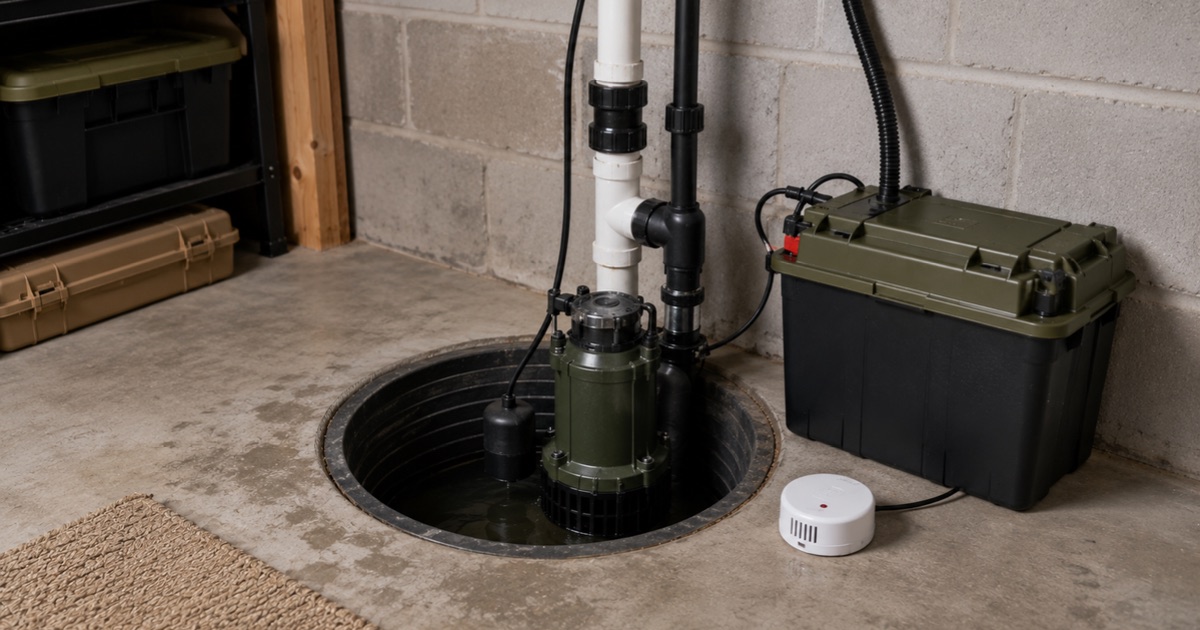
El Niño's heavier storms mean more downed lines, more overloaded grids, and more outages that stretch from hours into days. The difference between a power outage being a minor inconvenience and a genuine emergency comes down entirely to what you did before it happened. An outage is survivable and even routine when you're prepared, and miserable — or dangerous, for anyone on medical equipment — when you're not. Here's how to keep the essentials running when the grid goes dark. This is a core part of the El Niño prep guide.
Get a portable power station
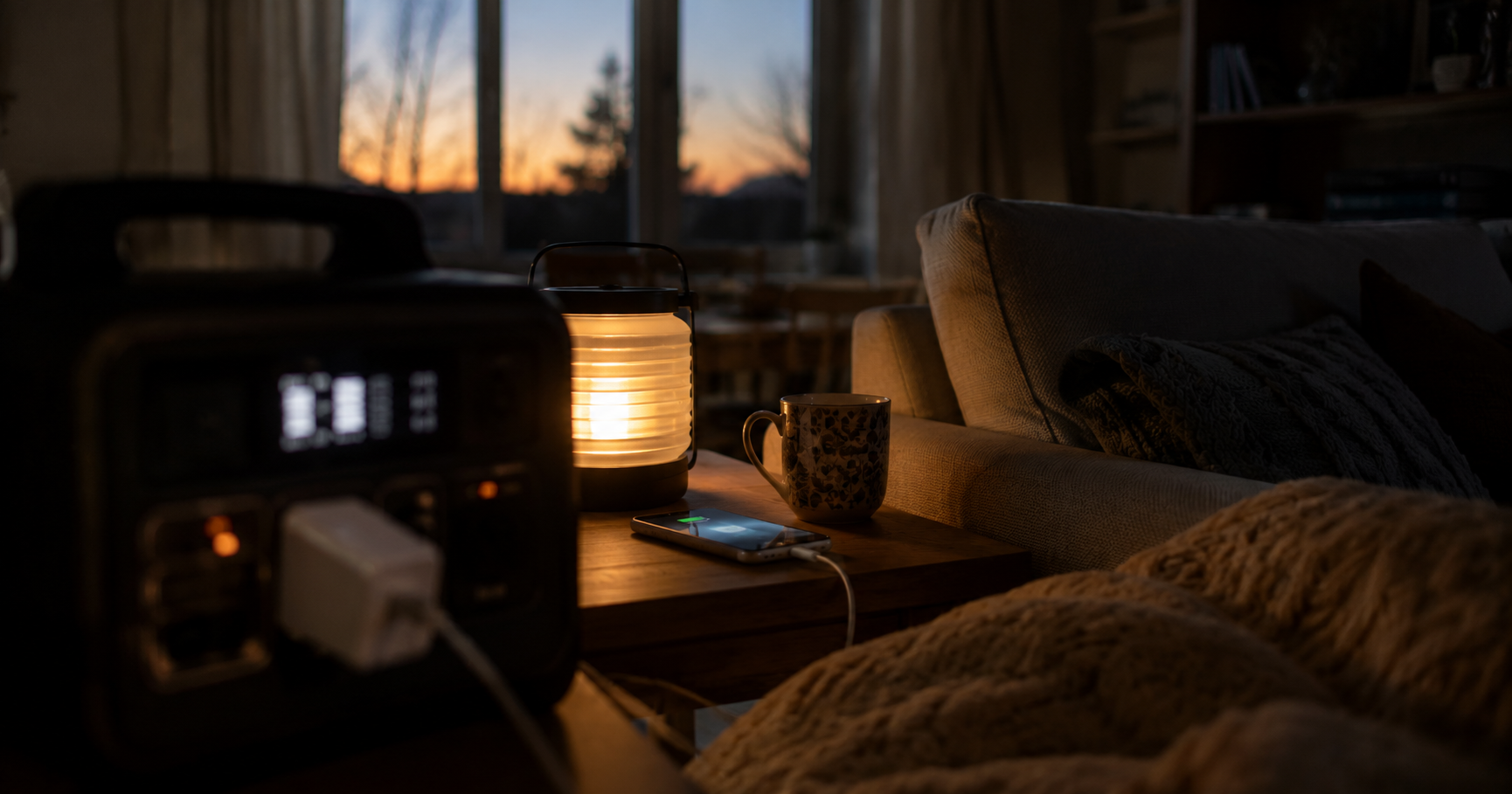
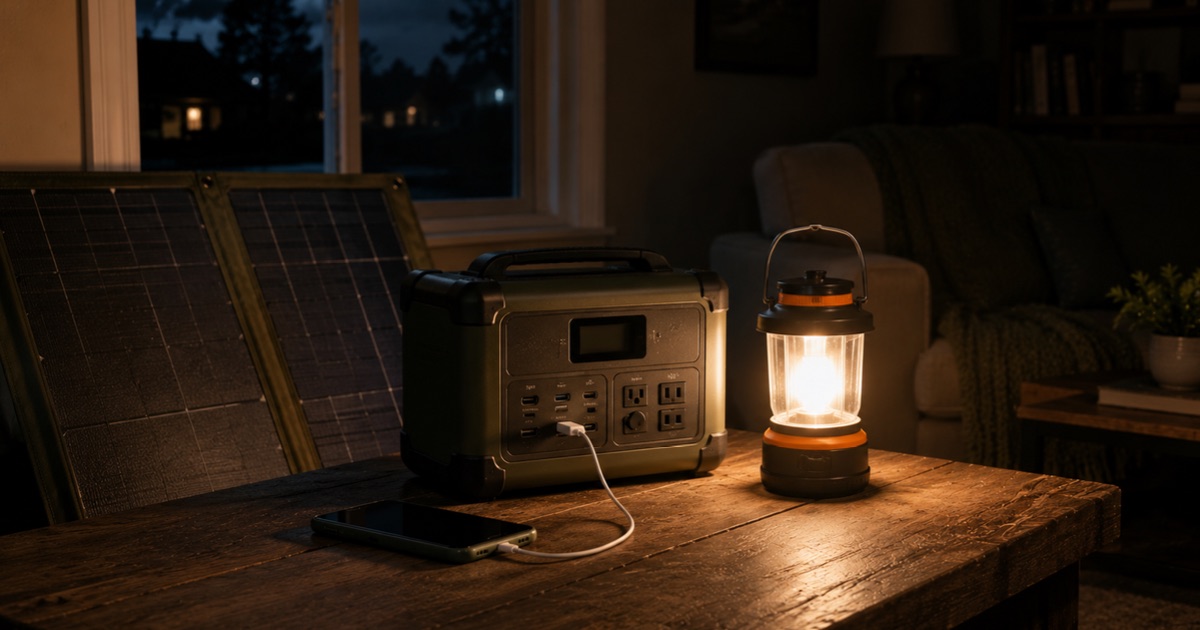
A battery power station is the single most useful outage-prep purchase for most households. Unlike a gas generator, it's silent, produces no fumes, and is completely safe to run indoors. A unit like the jackery-1000 can keep phones charged, run lights and a Wi-Fi router, and — critically — power small medical devices like a CPAP machine through an overnight outage or longer.
Pair it with a solar-charger so you can recharge it from sunlight if the outage drags on for days. That combination gives you effectively unlimited essential power as long as the sun comes up, with no fuel to store and no carbon monoxide risk.
Stock light — and skip the flames
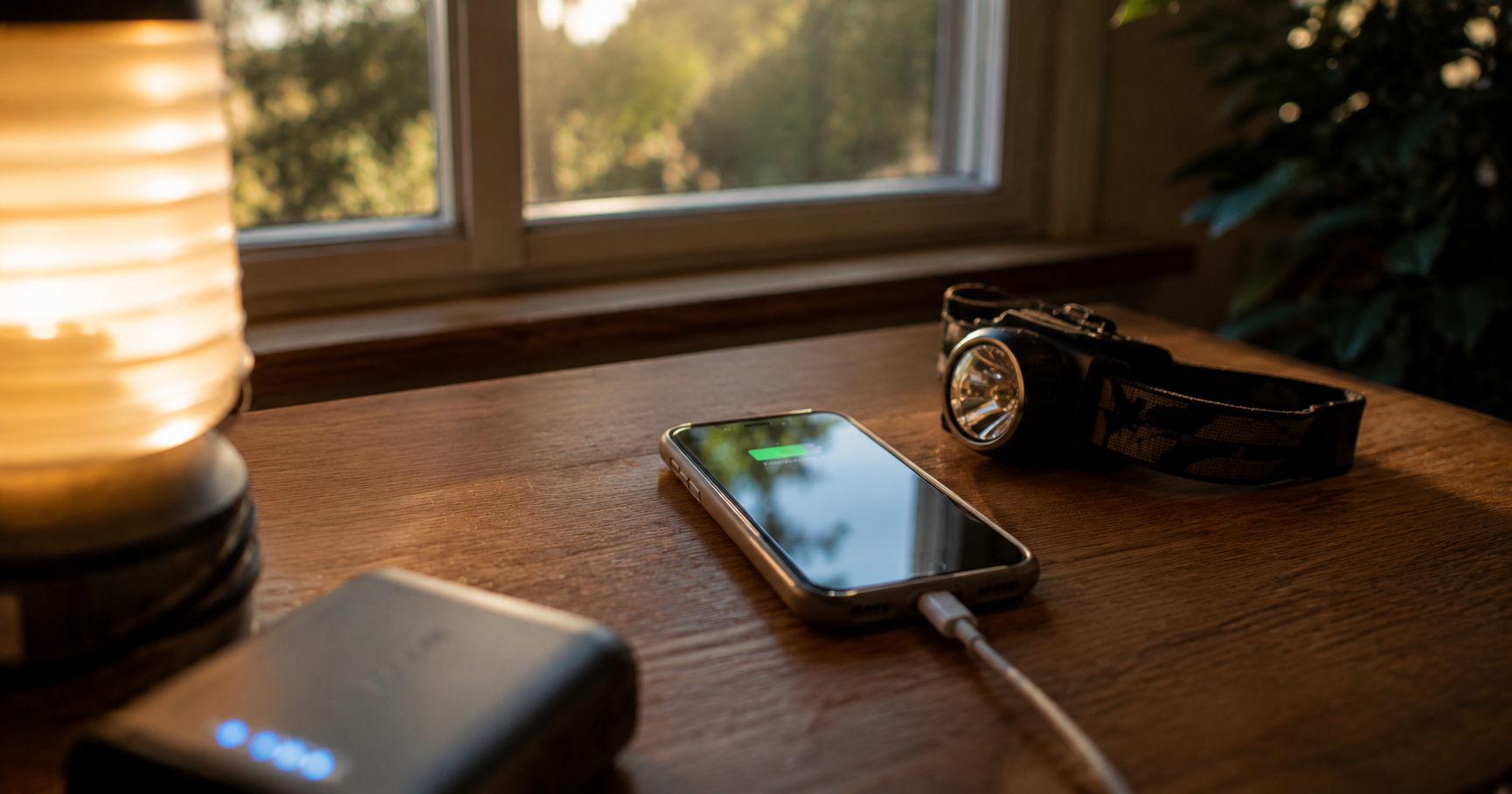
Power outages call for flashlights and battery LED lanterns, not candles. Open flame during a storm is a real fire hazard, especially if flooding has disturbed gas lines. Keep multiple light sources, a generous supply of batteries, and a charged power-bank-large dedicated to keeping phones alive. A headlamp per person is worth adding — hands-free light makes everything easier in the dark.
Have a plan for your fridge and freezer
Food safety is a quiet casualty of long outages. The rule is simple: keep the doors shut. An unopened refrigerator holds safe temperatures for about four hours, and a full freezer for roughly 48 hours. Group freezer items together so they stay cold longer, eat refrigerated food first, and have a cooler and a plan for ice ready before the season. A few frozen water jugs do double duty — they extend your freezer's cold and become drinking water as they thaw.
Never run a generator indoors
If you own a gas generator, it belongs outside, well away from windows, doors, and vents — never in a garage, even with the door open. Carbon monoxide from generators kills people every storm season, and it's invisible and odorless. Always run a co-detector in your home regardless of your power source. This single rule prevents one of the most common and tragic outage deaths.
Stay informed when the network drops
Cell service and internet often fail during major storms, right when you most need information. A battery or hand-crank noaa-radio keeps you tuned to weather alerts, evacuation notices, and utility restoration timelines without depending on the grid or your phone battery. It's cheap, and it's the most reliable information source in a blackout.
Protect your electronics and devices
When the power goes out, unplug sensitive electronics — TVs, computers, the furnace control board — to protect them from the surge that often comes when power is restored. Leave one light switched on so you'll know the moment the power returns. A whole-home or plug-in surge protector adds another layer of defense for valuable equipment.
Plan for temperature extremes
In a winter outage, pick one room to seal off and concentrate heat, following our guide on staying warm in a winter outage. In a heat wave, do the opposite — identify the coolest part of the home, use battery fans, and stay hydrated. Either way, anyone dependent on powered medical equipment needs a backup power plan worked out in advance, ideally with their power utility notified of their medical status.
A simple outage action plan
When the power goes out, having a routine prevents panic and protects your supplies. First, check whether it's just your home (check your breaker) or the wider area, and report the outage to your utility. Note the time so you can track food safety. Keep the refrigerator and freezer closed, switch to your stocked flashlights and lanterns, and bring out your power station for phones and essential devices. Turn off or unplug sensitive electronics to protect them from the surge when power returns, but leave one light on so you know the moment it's back. Tune your weather radio for restoration updates. In cold weather, move everyone into your one sealed warm room; in heat, into the coolest space. A calm, practiced routine turns an outage into a manageable event.
Frequently asked questions
How big a power station do I need?
For phones, lights, and a router, a 300-500Wh unit is plenty. For a CPAP machine or a mini-fridge overnight, look at 500-1000Wh. To run a full-size refrigerator or medical equipment across multiple days, you'll want 1500Wh or more, ideally with solar to recharge.
Is a generator or a power station better?
They serve different needs. Gas generators produce far more power for whole-home loads but require fuel, are loud, and must run outdoors due to carbon monoxide. Battery power stations are quiet, indoor-safe, and rechargeable by solar, making them the better fit for most households' essential loads.
How long will food stay safe in my fridge and freezer?
Roughly four hours in an unopened refrigerator and about 48 hours in a full, unopened freezer (24 hours if half full). Keep doors closed as much as possible, and when in doubt about any food after a long outage, throw it out.
Why can't I run a generator in my garage with the door open?
Because carbon monoxide still accumulates to deadly levels even with the door open. Generators must run outdoors, at least 20 feet from the house, away from any window, door, or vent. This is one of the most common fatal mistakes during outages.
How do I keep medications that need refrigeration cold?
Use a cooler with ice packs or frozen water bottles, keep it closed, and minimize how often you open it. For longer outages, a battery power station running a small fridge is the most reliable solution. Talk to your pharmacist in advance about how long your specific medication can safely stay out of refrigeration.
What should I do first when the power goes out?
Check whether it's just your home by looking at your breaker panel, then report the outage to your utility and note the time for food-safety tracking. Keep the fridge and freezer closed, switch to flashlights, bring out your power station for essentials, and unplug sensitive electronics to protect them from the restoration surge.
How do I prepare if someone relies on medical equipment?
Plan ahead deliberately. Size a battery power station to run the device for the longest outage you might face, keep it charged, and have a backup plan such as a secondary battery or a place to go with power. Notify your utility of the medical need, since many prioritize restoration for medically vulnerable customers, and talk to your provider about backup options.