NOAA has officially issued an El Niño advisory for 2026, and forecasters expect it to strengthen into a moderate-to-strong event through fall and into the winter of 2026-27. In plain terms, that means a wetter, stormier southern United States, heavier rain and flooding, more frequent winter storms, and a higher chance of long power outages for millions of households. The reassuring part is that El Niño is one of the most predictable patterns in weather science. Unlike a surprise tornado or a flash wildfire, this is a season you can see coming months in advance, which means you have time to get genuinely ready instead of scrambling the night before a storm.
This is your master checklist. It links out to a detailed guide for every section, so think of this page as your home base for the whole season. Work through it one step at a time, and don't let the size of the list intimidate you. Most of it is inexpensive, and the highest-impact steps cost almost nothing.
1. Know your regional risk first
El Niño does not affect the whole country the same way, and prepping for the wrong threat wastes money and time. The southern tier of the U.S. — California through the Gulf Coast to Florida — trends much wetter and stormier, with the biggest flood and severe-weather risk. The Pacific Northwest, northern Rockies, and parts of the Ohio Valley often turn drier and milder, raising drought and wildfire concerns instead. Northern states usually see milder-than-average winters, though individual storms can still hit hard.
Before you buy a single supply, figure out which bucket you fall into. Our guide to what El Niño is and why 2026 is different walks through the regional map in detail so you can aim your prep at the threats that actually apply to your address.
2. Store two weeks of water
Water is the first thing you run out of in any emergency and the hardest to improvise. The standard is one gallon per person per day — roughly half for drinking and half for cooking and hygiene — and your goal should be a two-week supply. For a family of four, that's 56 gallons.
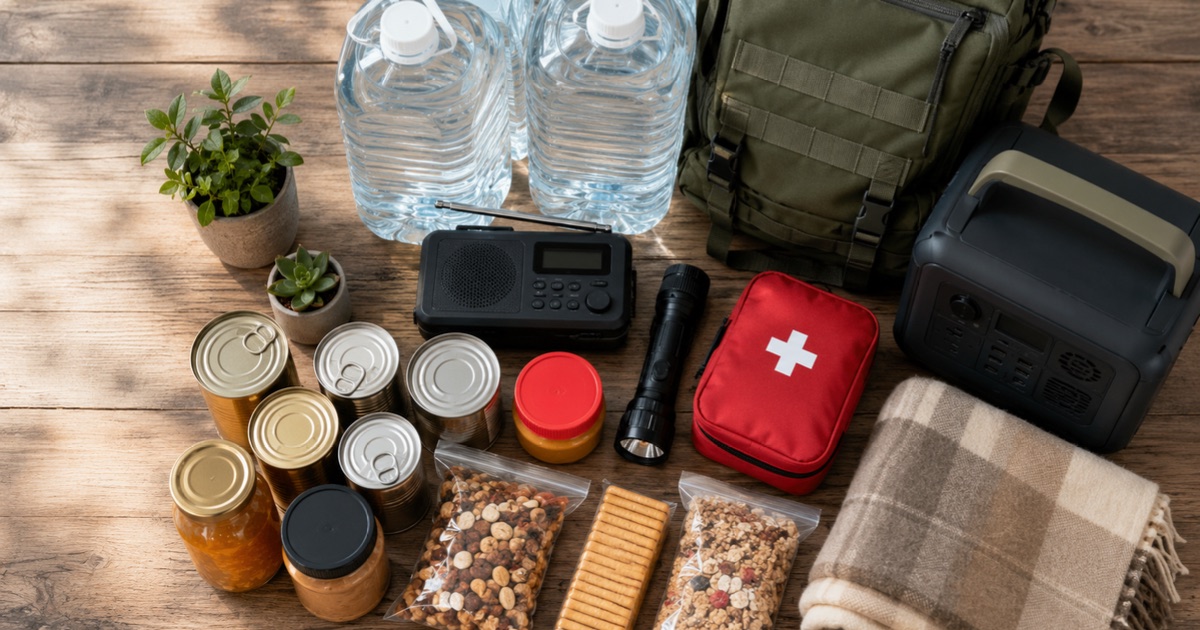
Rigid, stackable containers like the aqua-tainer make this manageable without taking over a closet, and they're built from food-grade plastic so the water stays safe. Always pair storage with a backup filter, because El Niño flooding routinely contaminates municipal water for days. The full breakdown, including how to scale for your household and pets, is in how much water to store for El Niño.
3. Build a two-week food supply
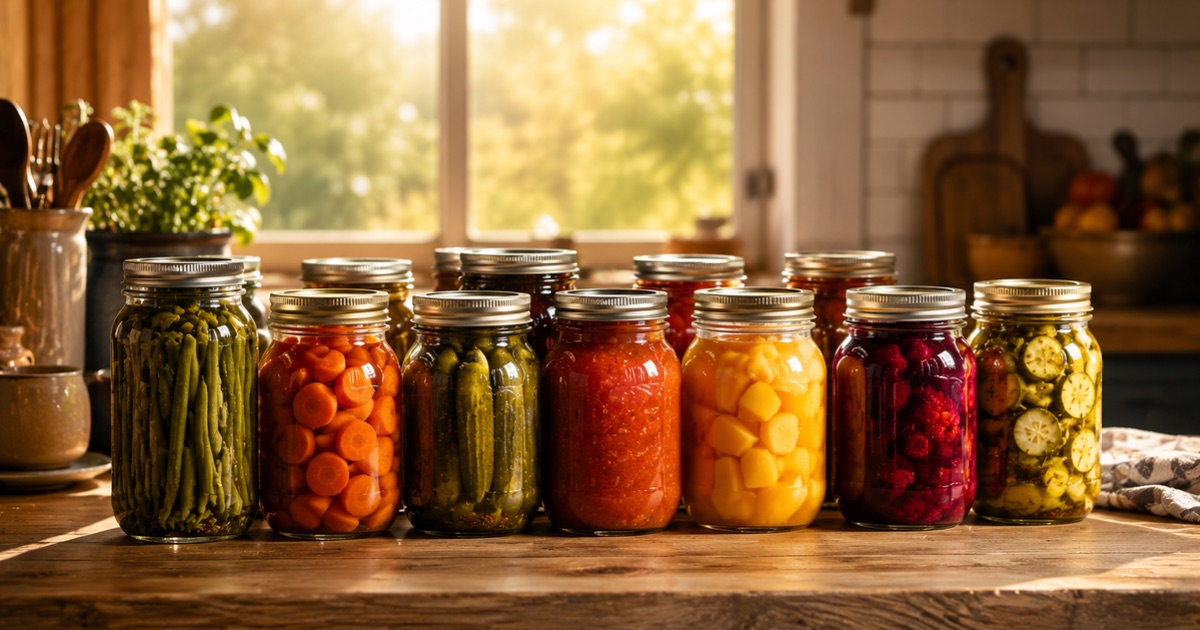
Aim for two weeks of food that needs no electricity to store or prepare, built around things your family actually eats. No-cook items — canned proteins, peanut butter, crackers, dried fruit — matter most, because outages mean no stove. Add staples like rice, beans, and oats for calories, and keep a manual can opener within reach.
For the long haul, grains and beans stored in mylar-bags with oxygen absorbers will last for years and ride out any number of storms. The complete strategy is in our emergency food stockpile guide.
4. Prepare for extended power outages
El Niño storms bring down lines and leave neighborhoods dark for hours or days. A battery power station like the jackery-1000 keeps phones, lights, a router, and critical medical devices such as a CPAP running through an overnight outage or longer. A battery or hand-crank noaa-radio keeps you informed when cell networks drop.
The single most important safety rule here: never run a gas generator indoors or in a garage. Carbon monoxide is invisible, odorless, and deadly. Our power outage prep guide covers how to size your backup power and keep your fridge cold through a long outage.
5. Storm-proof your home and yard
A weekend of unglamorous maintenance prevents thousands of dollars in storm damage. Clean your gutters and downspouts so water drains away from the foundation, inspect and repair your roof, trim weak tree limbs before high winds take them down, and secure outdoor furniture that can become a projectile. Clear your storm drains and test your sump pump if you have a basement.
Walk through the complete home maintenance checklist, and if you're in a flood-prone area, read how to flood-proof your home for foundation sealing, backflow valves, and drainage grading that keep water out.
6. Make a family communication plan
When a storm overloads or downs the cell network, your family needs a plan that doesn't depend on a working phone. Pick a single out-of-area contact everyone checks in with, write key numbers on paper since phones die, and choose two meeting spots — one near home and one outside the neighborhood. Teach kids how and when to call 911. The details are in our storm-season communication plan.
7. Don't forget the rest of your household
Two areas people overlook until it's too late: pets and your vehicle. Stock two weeks of pet food and water, keep carriers and vaccination records ready, and know which shelters are pet-friendly — see pet and livestock prep. And keep a winter kit in your car, because El Niño's worst moments often catch people on the road.
Frequently asked questions
When will El Niño 2026 be at its strongest?
NOAA expects this El Niño to intensify through the fall and peak during the Northern Hemisphere winter of 2026-27. That makes late summer and early fall the ideal preparation window — before stores sell out of generators, heaters, and water containers, and before prices climb with demand.
Does El Niño mean more hurricanes?
Usually the opposite. El Niño tends to increase wind shear over the Atlantic, which suppresses hurricane formation, and NOAA is forecasting a below-normal 2026 Atlantic hurricane season. The bigger El Niño threats for most people are inland flooding, winter storms, and power outages — so weight your prep toward those.
What's the single most important thing to do first?
Store water and two weeks of food. These two steps cover the largest share of emergency scenarios, cost relatively little, and buy you time during any disruption while you work through the rest of the list. If you do nothing else this month, do these.
How much does it cost to prepare for El Niño?
Less than most people expect if you spread it out. Water storage and a pantry stockpile built from normal groceries cost very little. The bigger-ticket items — a power station, a safe indoor heater — can be added gradually over several weeks, which is exactly how our 30-day plan structures it.
I rent my home — does any of this apply to me?
Yes. Water, food, power, communication, and pet prep are all fully within a renter's control. You can skip the structural projects like backflow valves, but you can still clear your own drains, report drainage problems to your landlord early, and keep a flood or winter kit ready to grab.