A single weekend of unglamorous home maintenance before El Niño season can prevent thousands of dollars in storm damage. The goal is straightforward: make sure water drains away from your home, nothing is loose enough to blow off or break, and your house is sealed and safe before the first major system arrives. None of this is exciting work, but it's the cheapest insurance you'll ever buy, and most of it you can do yourself. Work through this checklist now, while the weather is still calm. It's a key part of how to prepare for El Niño 2026.
Clean gutters and downspouts
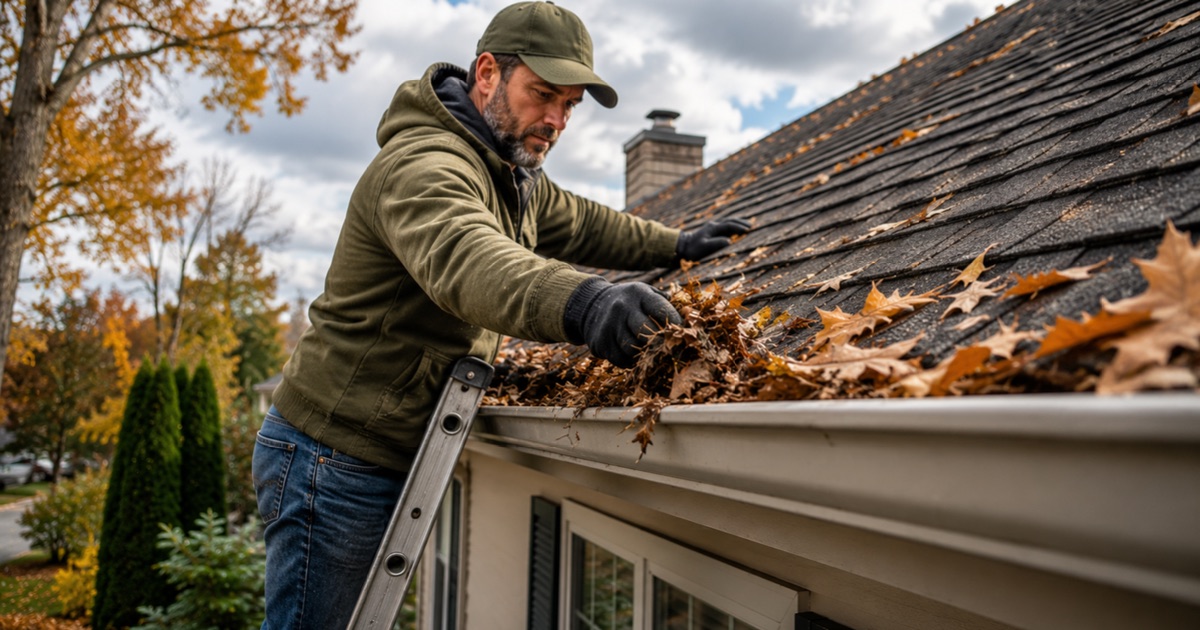
Start here, because clogged gutters cause an outsized share of storm damage. When gutters fill with leaves and debris, rainwater overflows and pours down against your foundation and walls — a leading cause of basement flooding, foundation problems, and rotted fascia. Clear out all the gutters and downspouts, flush them to confirm they flow freely, and make sure downspouts discharge well away from the house. Add extensions if they dump right at the foundation.
Inspect and repair the roof
Your roof is your first line of defense against weeks of El Niño rain, and a small problem now becomes a major leak under sustained storms. Inspect for loose, cracked, curling, or missing shingles, and check the flashing around chimneys, vents, and skylights where leaks commonly start. Have any issues repaired before the rains, ideally by a professional if you're not comfortable on the roof. A modest repair now is far cheaper than water damage to your ceilings and walls later.
Trim weak and overhanging tree limbs
High winds bring down weak, dead, and overhanging branches onto roofs, vehicles, and power lines — a frequent cause of outages and property damage. Walk your property and trim back any limbs that overhang the house or hang near power lines (call a professional or your utility for anything near the lines themselves). Removing the hazard before the wind arrives protects your home and may keep your power on.
Seal windows and doors
Drafty, leaky windows and doors let in rain and cold and let out your heat. Re-caulk gaps around window and door frames, and replace worn or cracked weatherstripping. This keeps water and wind out during storms and improves your home's warmth and efficiency through the colder months — a small effort with a year-round payoff.
Check the sump pump and clear all drains
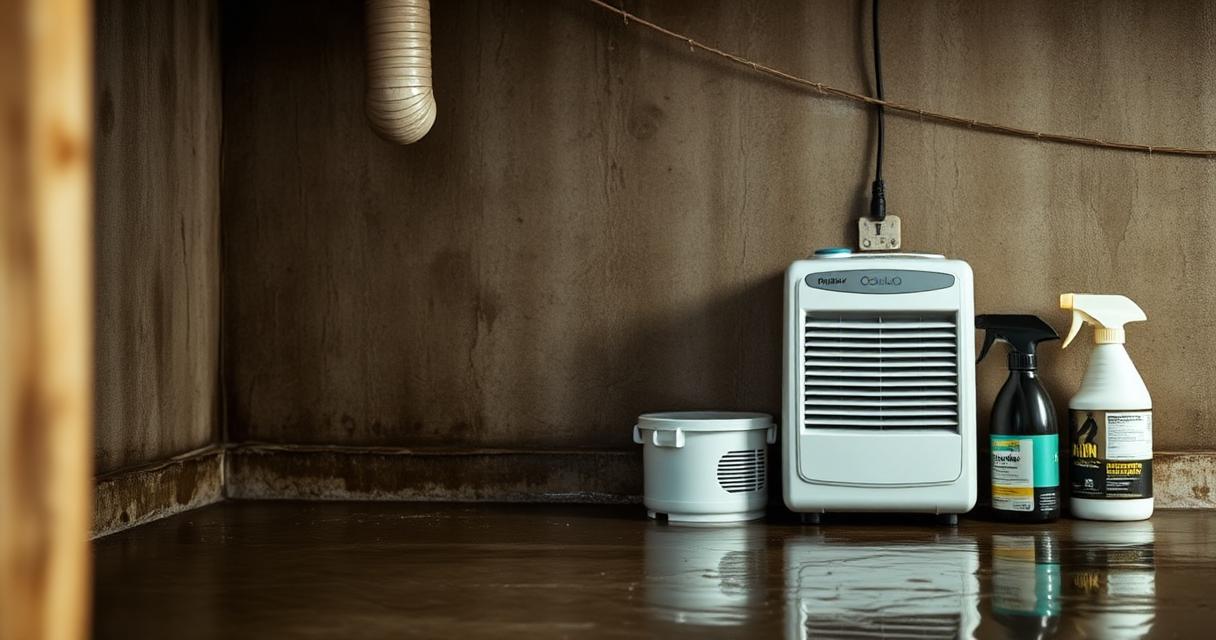
If you have a basement, test your sump pump now by pouring water into the pit and confirming it activates and drains properly — and make sure it has battery backup, since storms cut power. Outside, clear yard drains, storm drains, and any culverts near your property so water has a clear path away. Clogged drainage is one of the most common and preventable causes of storm flooding. For the full setup, see sump pump and backup power.
Secure or store outdoor items
In high winds, loose outdoor objects become dangerous projectiles. Before storm season, plan to store or firmly anchor patio furniture, grills, umbrellas, trash cans, planters, and decorations. Anything that can be picked up by the wind can break a window or injure someone, so know in advance what you'll bring in or tie down when a storm is coming.
Test smoke and carbon-monoxide alarms
With more time spent indoors and more use of heaters and alternative heat sources during winter outages, working smoke and co-detector alarms become even more critical than usual. Test every alarm, replace the batteries, and replace any unit past its expiration date (most last 5 to 10 years). This quick task protects your family from the fire and carbon-monoxide risks that rise during storm season.
A quick pre-storm final sweep
The seasonal maintenance above is the heavy lifting, but keep a short list for the day a specific storm is forecast. Bring in or tie down loose outdoor items, clear any fresh leaf buildup from gutters and drains, charge your devices and power stations, fill containers with water, park vehicles on high ground and away from trees, and confirm your flashlights and weather radio have working batteries. This five-minute sweep, done each time a storm approaches, catches the last-minute details that the season-long preparation doesn't cover and turns your readiness into action right when it counts.
Frequently asked questions
What's the most important home maintenance step before storm season?
Drainage, without question. Clean gutters, clear downspouts and storm drains, and grading that moves water away from the house prevent the water-pooling that causes the majority of storm-related home damage. It's also among the cheapest tasks on the list — mostly just your time.
When should I do this maintenance?
Before storm season peaks — ideally in late summer or early fall for El Niño 2026 — so everything is ready before the heavy rains and winter storms arrive. Doing it early also means contractors are more available and less rushed if you need roof or tree work done professionally.
Do I need a professional for any of these tasks?
Gutter cleaning, sealing windows, securing outdoor items, and testing alarms are all DIY-friendly for most homeowners. Roof repairs, large or high tree limbs, and anything near power lines are worth hiring out for safety. Know your limits, especially with heights and electricity.
How often should I replace smoke and CO alarms?
Test them monthly and replace the batteries at least yearly (or use long-life sealed units). Replace smoke alarms about every 10 years and carbon-monoxide alarms about every 5 to 7 years, or per the manufacturer's date stamped on the unit. Expired alarms can fail silently.
What outdoor items are most often forgotten before a storm?
Patio umbrellas, lightweight chairs, planters, trampolines, trash and recycling bins, garden tools, and holiday decorations are the usual culprits that become projectiles in high wind. Make a quick mental list of everything in your yard now so you can secure it fast when a storm is forecast.