Winter is hard on cars. Batteries lose power in the cold, tires lose air pressure, wipers crack, and a sudden ice storm can turn a 10-minute drive into a dangerous one. In much of the South, where people don't drive on ice often, a little preparation goes a long way.
Here's a simple checklist to get your car ready before the first freeze. Most of it takes an afternoon, and a lot of it is free.
1. Test the Battery
Cold weather drains batteries and makes engines harder to start. A battery that's fine in October can leave you stranded in January.
- Get it tested. Many auto parts stores test batteries for free.
- Check the age. Car batteries often last around three to five years. If yours is older, consider replacing it before winter.
- Clean the terminals of any white or green crusty buildup.
- Keep jumper cables or a portable jump starter in the car.
2. Check Your Tires
Tires are your only contact with an icy road.
- Check the tread. Put a penny into the tread with Lincoln's head upside down. If you can see the top of his head, your tread is too worn for winter.
- Check the pressure monthly. Tire pressure drops as the temperature drops, so it's common for your low-pressure light to come on during the first cold morning. Fill your tires to the pressure listed on the sticker inside the driver's door, not the number on the tire itself.
- Check the spare, and make sure you have a jack and lug wrench.
If you live where snow and ice are common, consider winter tires. For most of the South, good all-season tires with healthy tread are enough.
3. Wipers and Washer Fluid
- Replace streaky or cracked wiper blades.
- Switch to a winter washer fluid that won't freeze.
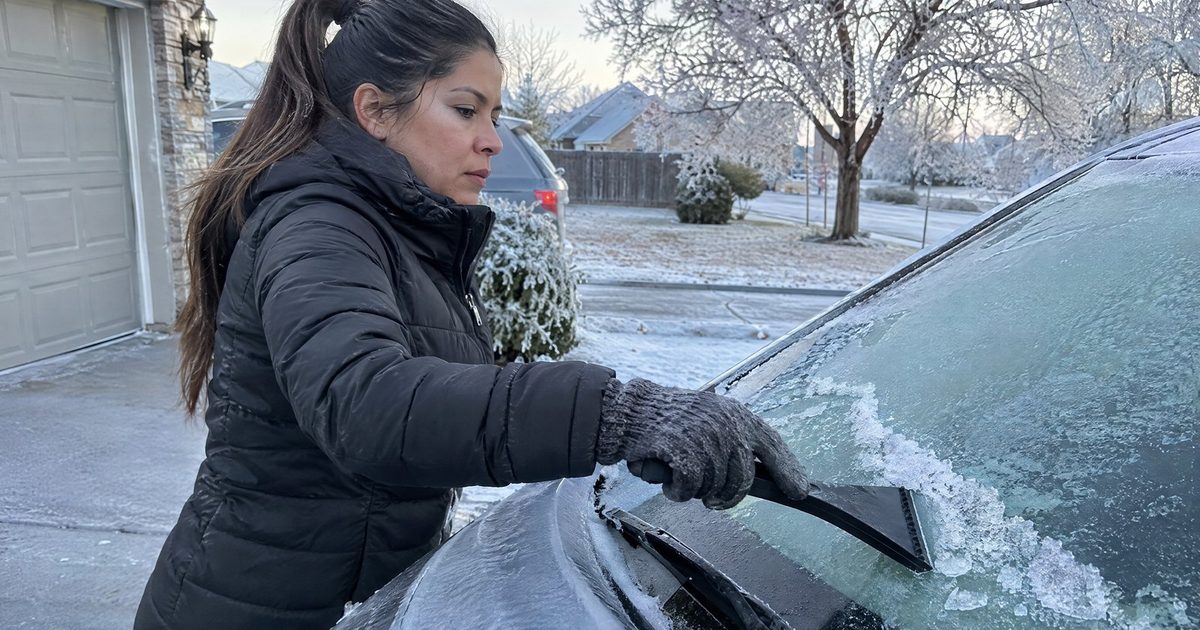
- Keep an ice scraper and snow brush in the car.
4. Fluids and Coolant
- Check your antifreeze (coolant) level and make sure it's the right mix for freezing temperatures. A mechanic or auto parts store can test it.
- Check your oil, and get any service you're due for.
5. Lights
Winter means shorter days and storms that cut visibility. Make sure your headlights, taillights, brake lights, and turn signals all work, and clean foggy headlight lenses.
6. Pack a Winter Car Kit
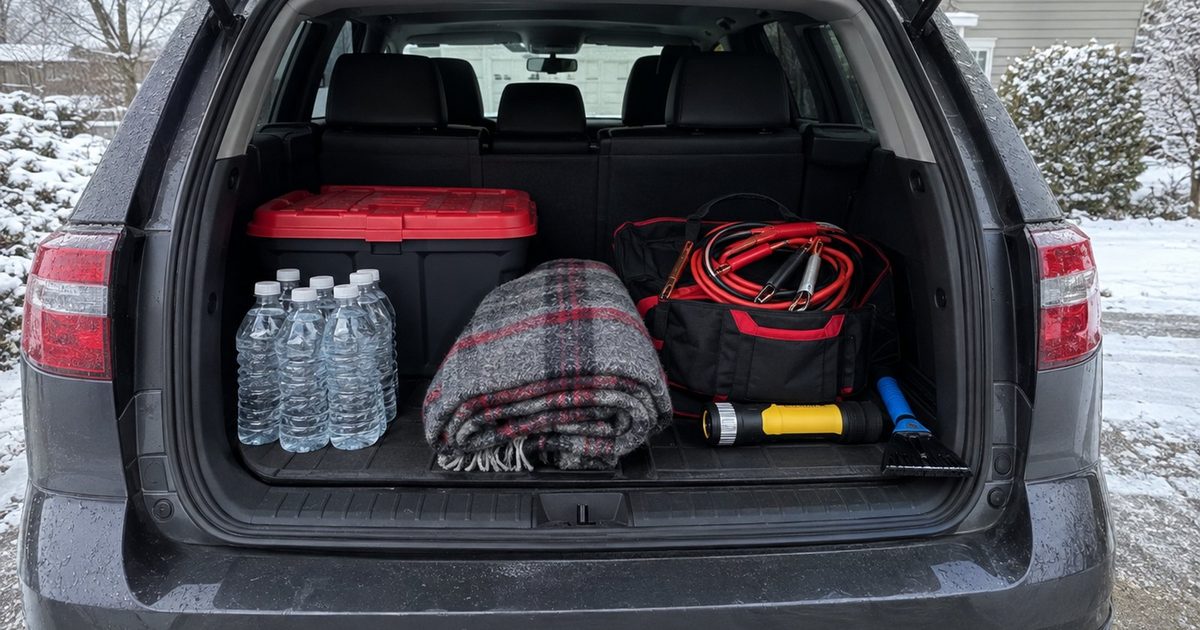
Even a short trip can turn into hours stuck in traffic during an ice storm. Start with a ready-made roadside kit like the Everlit Survival Car Emergency Kit, then add:
- A warm blanket and SOL Heat-Reflective Emergency Blanket heat-reflective blankets
- HotHands Hand Warmers, 40 Pairs hand warmers
- Water and high-calorie snacks
- A phone charger and a charged Anker 20,000mAh Power Bank power bank
- A flashlight with spare batteries
- A small shovel and a bag of sand or cat litter for traction
- Gloves, a hat, and warm socks
Our guide to building a car emergency kit has the full list.
7. Clear the Whole Car Before You Drive
Scrape every window, the mirrors, and the headlights, and brush snow off the roof and hood. Snow sliding off your roof can cover the windshield at the worst moment, and chunks of ice flying off a car can injure the drivers behind you.
8. Keep Your Gas Tank at Least Half Full
A fuller tank helps prevent fuel line freeze-up, gives you heat if you're stranded, and means you won't be stuck if gas stations lose power during an outage.
How to Drive on Ice
The best advice is to stay home when roads are icy. If you must drive:
- Slow way down and leave much more space between you and the car ahead.
- Brake, accelerate, and steer gently. Sudden moves cause skids.
- Watch for black ice, a thin, clear layer that's hard to see, especially on bridges, overpasses, and shady spots, which freeze first.
- Don't use cruise control on icy or wet roads.
- If you skid, ease off the gas, and gently steer in the direction you want the front of the car to go. Don't slam the brakes.
If You Get Stranded
- Stay with your car unless help is very close.
- Call for help and share your exact location.
- Run the engine about 10 minutes an hour for heat, and keep the exhaust pipe clear of snow so carbon monoxide doesn't build up inside the car. Crack a window slightly while it runs.
- Turn on your hazard lights and tie something bright to the antenna.
- Stay warm: use blankets, hand warmers, and layers.
When Not to Drive at All
During an ice storm warning or blizzard warning, the safest trip is the one you don't take. Learn what each alert means in our guide to winter storm watches vs. warnings.
Frequently Asked Questions
How do I prepare my car for winter?
Test the battery, check tire tread and pressure, replace worn wipers, use winter washer fluid, check your coolant, make sure all lights work, and pack a winter emergency kit.
Why does my tire pressure light come on when it's cold?
Tire pressure drops as temperatures fall. Fill your tires to the pressure on the sticker inside the driver's door.
Do I need winter tires in the South?
Usually not. Good all-season tires with healthy tread work for most Southern drivers. Winter tires make more sense where snow and ice are frequent.
What should I do if my car starts to skid on ice?
Ease off the gas, avoid slamming the brakes, and gently steer in the direction you want the front of the car to go.