When a winter storm is headed your way, the National Weather Service (NWS) issues alerts with names that sound alike: watch, warning, advisory. They're not interchangeable. Each one tells you how likely the storm is, how bad it may be, and how much time you have to get ready.
With El Niño pushing a stormy pattern across much of the southern U.S. this winter, and ice possible whenever cold air dips south, it's worth knowing exactly what each alert means before you see one on your phone.
The Simple Rule
- Watch = be prepared. Dangerous winter weather is possible, usually in the next day or two.
- Warning = take action. Dangerous winter weather is expected or already happening.
- Advisory = be careful. Winter weather is expected that's a hassle and can be hazardous, especially on the roads, but is less severe than a warning.
An easy way to remember it: a watch means the ingredients are there. A warning means the storm is on its way or already here.
Winter Storm Watch
A winter storm watch means conditions are favorable for a significant winter storm, like heavy snow, sleet, or freezing rain, but it's not certain yet. Watches are usually issued a day or two ahead.
What to do:
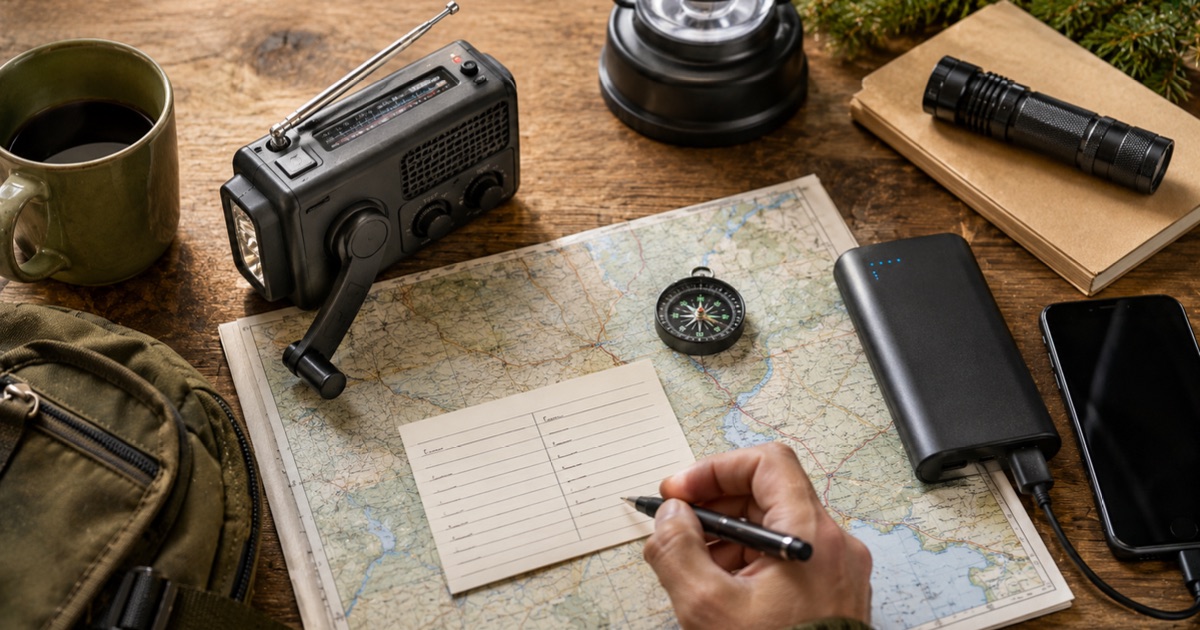
- Check your supplies: water, food, medications, flashlights, and batteries.
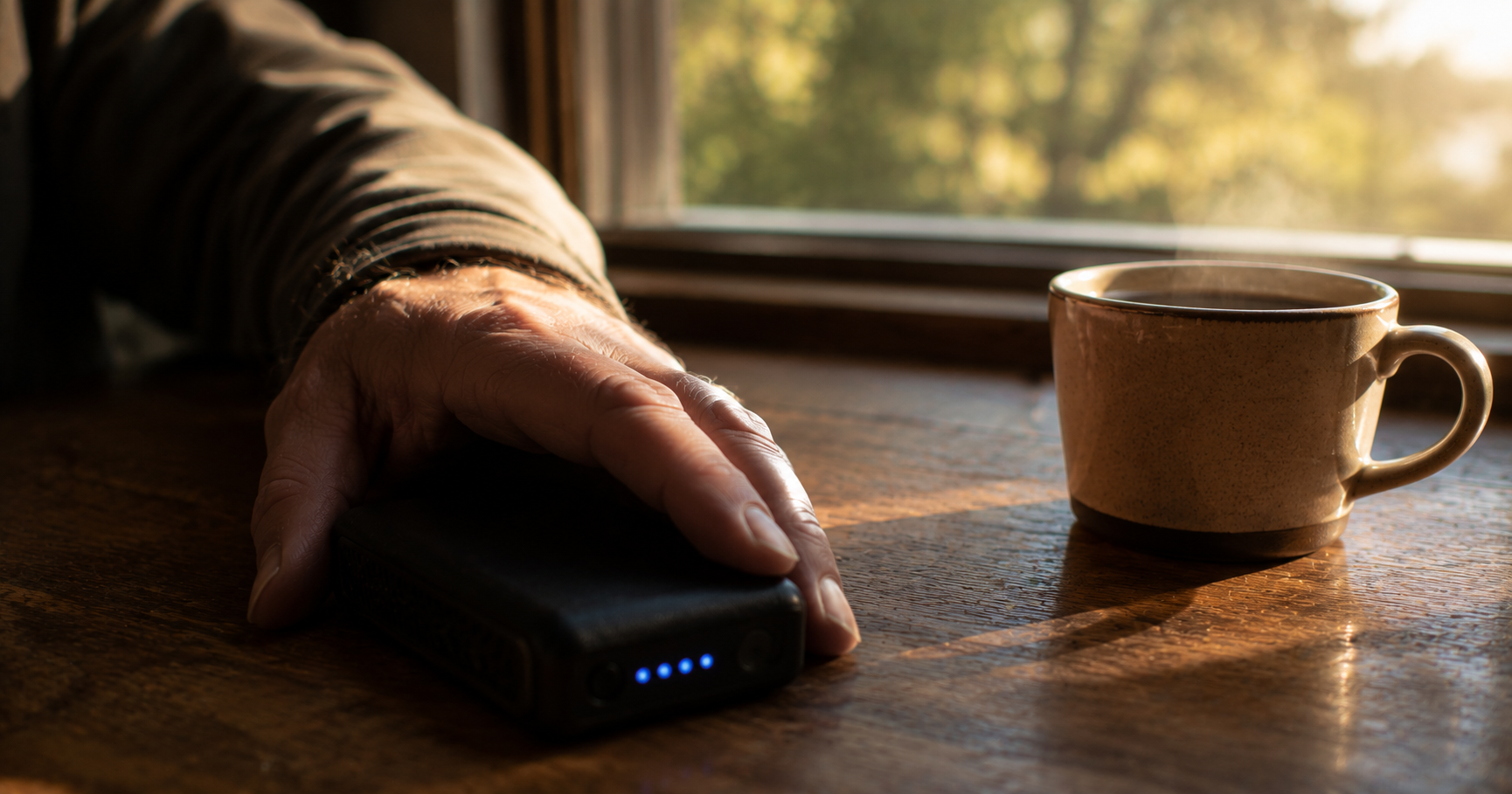
- Charge your phones and power banks. A large Anker 20,000mAh Power Bank keeps a phone going through an outage.
- Fill your car's gas tank.
- Bring pets inside and protect outdoor pipes.
- Keep checking the forecast.
Winter Storm Warning
A winter storm warning means a significant storm is expected or happening, with heavy snow, sleet, or freezing rain that's likely to make travel dangerous and could knock out power. Exact thresholds vary by region, because a few inches of snow is routine in Minnesota and a serious event in Georgia.
What to do:
- Stay home if you can. If you must drive, tell someone your route.
- Have your winter gear ready: blankets, sleeping bags, warm layers, and a safe heat source.
- Drip your faucets and open cabinet doors under sinks to help keep pipes from freezing.
- Keep a weather radio on for updates. A Midland WR120B NOAA Weather Alert Radio (S.A.M.E.) wakes you up for new warnings in your county, even when cell service drops.
Winter Weather Advisory
A winter weather advisory is issued for weather that's less severe than a warning but can still cause trouble, like light snow, light sleet, or a thin glaze of ice. Advisories are often when people get hurt, because they don't take them seriously. Even a little ice turns roads and steps into skating rinks.
What to do: slow down, leave extra time, wear shoes with good grip, and salt or sand your steps.
Ice Storm Warning
An ice storm warning means significant freezing rain is expected, enough ice to bring down tree limbs and power lines. Ice storms are one of the biggest winter threats in the South, because the region gets lots of moisture, and when cold air arrives, it can freeze on contact.
What to do: prepare for a long power outage. Charge everything, stay away from trees and lines, and don't park under large trees. Our El Niño winter storm kit covers the gear to have ready.
Blizzard Warning
A blizzard warning is about wind and visibility, not just snow. It means strong winds and falling or blowing snow will cut visibility to near zero for hours. Travel can become impossible and deadly.
What to do: stay where you are. Don't try to drive.
Extreme Cold Warnings and Cold Weather Advisories
The NWS now uses Extreme Cold alerts and Cold Weather Advisories for dangerously low temperatures and wind chills. These used to be called wind chill warnings and advisories. Extreme cold can cause frostbite and hypothermia quickly, even without a storm.
What to do: limit time outside, dress in layers, cover exposed skin, and check on older neighbors.
Don't Forget Flood Alerts
In an El Niño winter, the alerts you see most in the South may be about rain, not snow. They follow the same pattern:
- Flood Watch: flooding is possible. Get ready to move to higher ground.
- Flood Warning: flooding is happening or about to. Act now.
- Flash Flood Warning: fast, dangerous flooding is underway or imminent. Move to higher ground immediately and never drive into floodwater.
How to Get Alerts
- Wireless Emergency Alerts on your phone. Make sure they're turned on in your phone's settings.
- A NOAA weather radio, which works even when cell networks are down.
- Local TV and radio.
- Your county's alert system. Many counties let you sign up for texts.
Use more than one, so you'll still get warnings if one fails.
Turn Alerts Into a Plan
Alerts are only useful if you know what you'll do when one comes. Decide now: what you'll do at a watch, what you'll do at a warning, and who you'll check on. Our El Niño winter storm prep guide and the gear in our Winter Storm Kit list cover the rest.
Frequently Asked Questions
What's the difference between a winter storm watch and a warning?
A watch means a significant winter storm is possible, usually within a day or two. A warning means it's expected or already happening.
Is a winter weather advisory serious?
Yes. Advisories cover weather that's less severe than a warning, but even light ice or snow can make roads and steps dangerous.
What is an ice storm warning?
It means enough freezing rain is expected to build up ice that can bring down trees and power lines. Prepare for a long outage.
What happened to wind chill warnings?
The National Weather Service now uses Extreme Cold Warnings and Cold Weather Advisories for dangerous cold and wind chills.