In the South, homes often aren't built for hard freezes. Pipes run through crawlspaces, exterior walls, and unheated garages, and when a cold snap hits, especially during a power outage, they can freeze and burst. A single burst pipe can dump hundreds of gallons into your home, and the damage often shows up hours later, when the ice thaws.
With El Niño's stormy southern pattern, a single blast of cold air can catch a lot of homes off guard this winter. Here's how to keep your pipes from freezing, how to thaw them safely, and what to do if one bursts.
Why Pipes Burst
When water freezes, it expands. In a pipe, that expansion builds pressure between the ice and a closed faucet, and eventually, the pipe splits. That's why the break often isn't where the ice is, and why the leak usually starts when things warm up and the water starts flowing again.
Which Pipes Are Most at Risk
- Pipes in crawlspaces, attics, and garages
- Pipes along exterior walls, especially under kitchen and bathroom sinks
- Outdoor hose bibs and sprinkler lines
- Pipes in unheated areas of the house
- Any pipe where you've felt cold drafts
Before the Freeze: Prevention
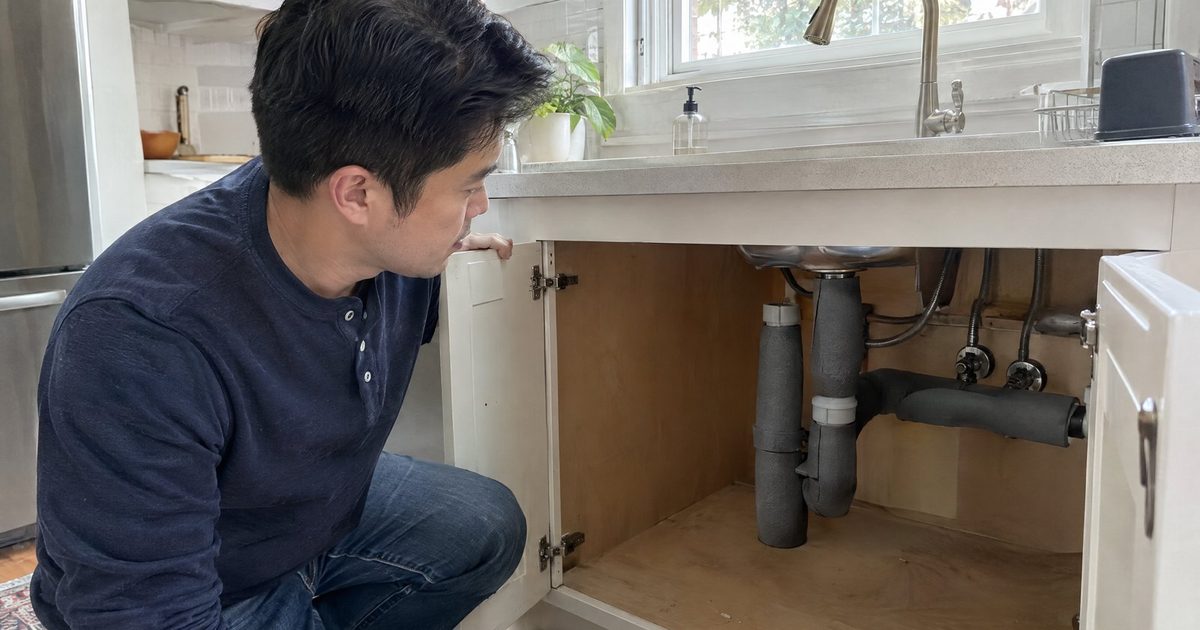
- Insulate exposed pipes. Foam pipe covers like the Duck Foam Pipe Covers, 6 Pack slip right over pipes in garages, crawlspaces, and under sinks. They're cheap and take minutes.
- Disconnect garden hoses and shut off and drain outdoor faucets if you have an inside shutoff valve.
- Seal drafts near pipes, like gaps where pipes enter the house.
- Find your main water shutoff now, and make sure it turns. Show everyone in the house where it is.
During a Cold Snap
- Let faucets drip. A slow drip of cold water from faucets on outside walls keeps water moving, which makes freezing less likely and relieves pressure if a pipe does start to freeze.
- Open cabinet doors under sinks so warmer room air reaches the pipes.
- Keep the heat steady day and night, and don't set the thermostat too low. If you're leaving home, the Red Cross recommends keeping the heat at no lower than 55°F.
- Keep the garage door closed if there are water lines in the garage.
During a Power Outage in Freezing Weather
This is when pipes are most at risk, because the heat is off.
- Drip the faucets.
- Keep the house as warm as you can safely, closing off unused rooms and using blankets over windows.
- If the outage will last a long time in deep cold, consider shutting off the main water and draining the pipes by opening faucets at the lowest point of the house. This keeps water from sitting in the pipes to freeze.
Our guide to staying warm in a winter outage covers safe ways to keep the house warmer.
If You'll Be Away From Home
Many burst pipes happen while families are traveling for the holidays. Before you leave in cold weather, set the thermostat to at least 55°F, open cabinet doors under sinks, and ask a neighbor to check the house if a hard freeze is forecast. For longer trips, consider shutting off the main water and draining the lines. A few minutes of prep can save you from coming home to a flooded house.
How to Thaw a Frozen Pipe Safely
Signs of a frozen pipe: you turn on a faucet and only a trickle comes out, or nothing at all.
- Keep the faucet open, so water can flow out as the ice melts.
- Apply gentle heat to the frozen section, starting near the faucet and working back: a hair dryer, a heating pad, or towels soaked in hot water.
- Never use an open flame, like a propane torch or a lighter. It's a serious fire hazard and can damage the pipe.
- Keep heating until full water pressure returns.
- Check other faucets. If one pipe froze, others may have too.
If you can't find the frozen section, or you can't reach it, call a plumber.
If a Pipe Bursts: The First Five Minutes
- Shut off the main water valve right away.
- Turn off the electricity in the affected area if water is near outlets or appliances, but only if you can reach the breaker without standing in water.
- Open faucets to drain the remaining water from the pipes.
- Call a plumber.
- Start removing water with towels, buckets, and a wet/dry vac like the DEWALT 6-Gallon Wet/Dry Shop Vac.
- Take photos of the damage for your insurance claim.
Then dry everything out within 24 to 48 hours to prevent mold. Our flood cleanup checklist walks through the drying process.
Catch Leaks Early
Battery water alarms like the Zircon Leak Alert Water Detector, 3 Pack sound the moment water touches them. Put them under sinks, near the water heater, and anywhere pipes run, so a slow leak gets caught before it becomes a disaster.
More cold-weather gear is in our Winter Storm Kit list.
Frequently Asked Questions
At what temperature do pipes freeze?
Pipes in unheated or exposed areas can start freezing when outdoor temperatures drop well below freezing, especially for several hours. The colder and longer the cold snap, the higher the risk.
Should I drip my faucets when it's freezing?
Yes. A slow drip of cold water from faucets on outside walls keeps water moving and relieves pressure, which helps prevent pipes from bursting.
How do I thaw a frozen pipe?
Keep the faucet open and apply gentle heat with a hair dryer, heating pad, or hot towels. Never use an open flame.
What should I do first if a pipe bursts?
Shut off your main water valve immediately, then turn off power to the area if it's safe, and call a plumber.