The rain stopped. The water's going down. And now you're standing in a soggy house wondering where to even start. Flood cleanup is exhausting and stressful, but doing it in the right order keeps you safe, protects your insurance claim, and stops mold before it takes over.
Here's a step-by-step checklist. Work through it in order.
Step 1: Make Sure It's Safe to Go Back In
Don't rush home. Wait until local officials say it's safe to return to your area.
- Watch for downed power lines outside, and assume every one is live.
- Check the structure from outside. Look for cracks in the foundation, sagging roofs, or shifted walls. If anything looks wrong, stay out and call a professional.
- If you smell gas, leave immediately and call the gas company from a safe distance.
- Turn off the power at the main breaker before you walk through standing water. If the breaker box is in a flooded area or you'd have to stand in water to reach it, don't touch it. Call an electrician.
Step 2: Protect Yourself
Floodwater isn't just water. It often carries sewage, chemicals, and sharp debris.
- Wear rubber boots, like the Dunlop Chesapeake Rubber Boots, plus heavy gloves and long sleeves.
- Wear an N95 mask when cleaning moldy or muddy areas.
- Wash your hands often, and don't eat in the work area.
- Keep kids and pets out until cleanup is done.
- Clean and cover any cuts right away, since floodwater can cause infections.
Step 3: Document Everything Before You Clean
This step protects your insurance claim, so don't skip it.
- Take photos and video of every room, the water line on the walls, and every damaged item, before you move or throw anything out.
- Make a list of damaged items with rough ages and values.
- Call your insurance company as soon as you can to start the claim. If you have flood insurance, our guide to flood insurance before El Niño explains how it works.
- Keep receipts for everything you buy for cleanup and repairs.
Step 4: Get the Water Out
You have roughly 24 to 48 hours before mold can start growing, so move fast.
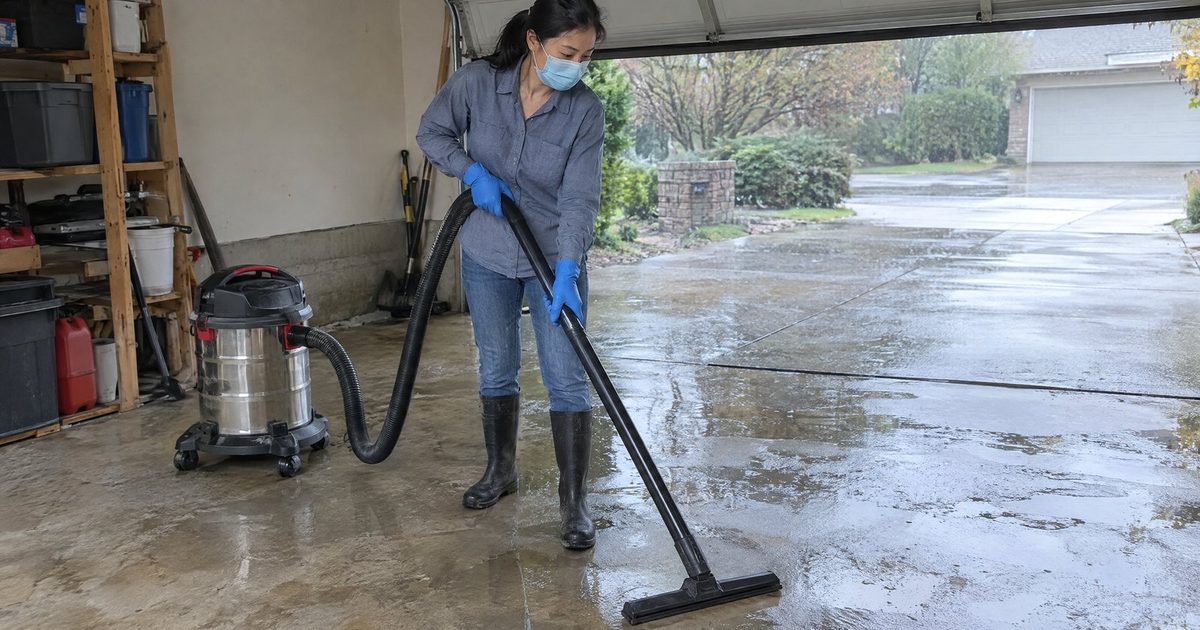
- Pump or vacuum out standing water. A wet/dry vac like the DEWALT 6-Gallon Wet/Dry Shop Vac pulls water out of floors, carpet, and corners much faster than towels.
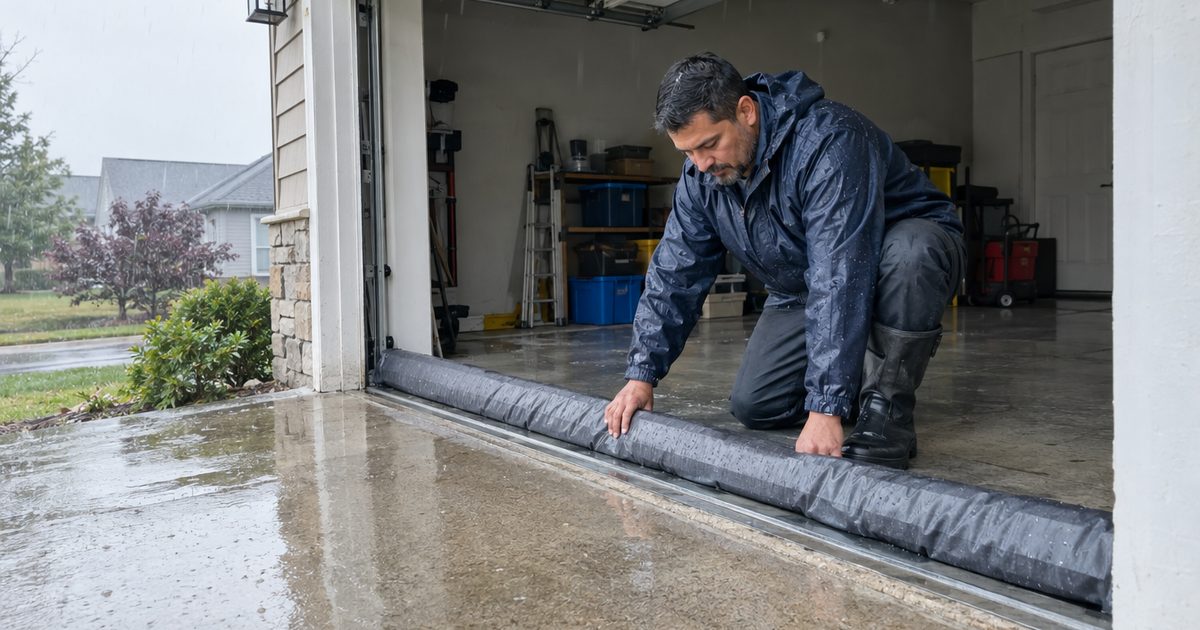
- Use absorbent socks and pads, like the PIG Water Absorbing Kit, along walls and doorways to soak up what the vacuum misses.
- Open windows and doors when the weather allows, and run fans to move air.
If your basement is flooded deeply, pump it out gradually, about a third of the water per day, especially if the ground outside is still soaked. Draining it too fast can let pressure from the wet soil outside damage the walls.
Step 5: Dry Everything Out
- Run a dehumidifier around the clock. A large unit like the hOmeLabs 4,500 Sq Ft Dehumidifier pulls moisture out of the air and the walls.
- Pull up wet carpet and padding. Padding almost always needs to go.
- Cut out wet drywall about a foot above the water line so the wall cavity can dry.
- Remove wet insulation behind that drywall.
- Keep drying until everything is truly dry, which can take days.
Step 6: Decide What to Keep and What to Toss
Usually throw out:
- Carpet padding and most soaked carpet
- Mattresses, pillows, and upholstered furniture that soaked up floodwater
- Soaked drywall and insulation
- Any food that touched floodwater, including canned food with damaged or bulging cans
- Stuffed toys and baby items that can't be fully disinfected
Often salvageable after cleaning:
- Hard furniture made of solid wood or metal
- Dishes, glass, and metal cookware
- Clothes that can go through a hot wash
When in doubt, especially with anything that touched sewage-contaminated water, throw it out.
Step 7: Clean and Disinfect
- Scrub hard surfaces with hot water and detergent.
- Disinfect with a bleach solution where appropriate, following the directions on the label.
- Never mix bleach with ammonia or other cleaners. It creates toxic fumes.
- Let everything dry completely before rebuilding.
For the full mold-prevention process, see how to prevent mold after heavy rain.
Step 8: Check Your Water
If your area had flooding, your tap water may be under a boil water notice, and private wells may be contaminated. Don't drink tap water until your local water utility says it's safe. In the meantime, use bottled or stored water, or bring tap water to a rolling boil for 1 minute before drinking it. If you're on a well that flooded, contact your local health department about disinfecting and testing it before you drink from it.
Step 9: Get Ready for Next Time
Once you're dry, set up early warning. Battery water alarms like the Zircon Leak Alert Water Detector, 3 Pack sound the moment water touches them. Then work through how to flood-proof your home so the next storm does less damage.
Frequently Asked Questions
How soon should I clean up after a flood?
As soon as it's safe. Mold can start growing within 24 to 48 hours, so drying out quickly is the most important step.
Should I take pictures before cleaning up flood damage?
Yes. Photos and videos of every room and damaged item, taken before you clean or throw anything out, support your insurance claim.
What should I throw away after a flood?
Soaked carpet padding, mattresses, upholstered furniture, drywall, insulation, and any food that touched floodwater. When in doubt, throw it out.
Is floodwater dangerous to touch?
It can be. Floodwater often carries sewage, chemicals, and debris. Wear rubber boots, gloves, and long sleeves, and wash your hands often.