Here's the single most expensive surprise in disaster recovery: most people think their homeowners or renters insurance covers flooding. Usually, it doesn't. And with NOAA giving El Niño 2026 a better-than-90-percent chance of becoming a very strong event this winter, the southern half of the country is staring down a wet season.
This guide explains how flood insurance works, what it covers, the waiting period that catches people off guard, and what renters need to know. One note before we start: we're not insurance agents, and policies vary. Use this to ask the right questions, then talk to a licensed agent about your situation.
Your Regular Policy Probably Doesn't Cover Floods
Standard homeowners and renters policies typically exclude damage from flooding, meaning water that rises from outside, like overflowing rivers, storm surge, or heavy rain pooling around your house. They often cover water from inside, like a burst pipe, but that's a different thing.
That gap matters, because flooding is the most common and costly natural disaster in the U.S. FEMA estimates that just one inch of floodwater in a home can cause up to about $25,000 in damage.
Where Flood Insurance Comes From
There are two main sources:
- The National Flood Insurance Program (NFIP). Run by FEMA and sold through regular insurance agents. It's available in communities that participate in the program, which includes most of the country.
- Private flood insurance. Some private insurers sell flood policies, sometimes with higher coverage limits or different terms.
You don't have to live in a high-risk flood zone to buy it. In fact, a large share of flood claims come from people outside high-risk zones.
The 30-Day Waiting Period
This is the part that catches people. NFIP policies generally don't take effect until 30 days after you buy them. There are some exceptions, like when the policy is required for a new mortgage, but for most people, the clock starts the day you buy.
That's why the time to buy is now, during the calm part of the season, not the week a big storm shows up in the forecast. If you wait until the rain is coming, it's too late for that storm. Our month-by-month El Niño timeline shows when the stormiest stretch is expected.
What Flood Insurance Covers
NFIP policies come in two parts, and you can buy them separately:
- Building coverage protects the structure: walls, floors, the foundation, electrical and plumbing systems, the furnace and water heater, and built-in appliances. The NFIP caps residential building coverage at $250,000.
- Contents coverage protects your belongings: furniture, clothing, electronics, and portable appliances. The NFIP caps residential contents coverage at $100,000.
Watch out for basements. NFIP coverage in basements is limited. It generally covers essential equipment like your furnace and water heater, but not finished walls, carpet, or most of the belongings you store down there. If you have a finished basement, ask your agent exactly what is and isn't covered.
What Renters Need to Know
Renters can buy flood insurance too. You'd buy contents-only coverage, since your landlord is responsible for the building. It's often affordable, and it covers the stuff that's actually yours: your couch, your clothes, your laptop.
Your landlord's insurance won't cover your belongings. Your renters policy probably won't cover flood damage. Contents-only flood coverage fills that gap.
How to Get a Quote
- Call the agent who handles your home or car insurance. Most can sell NFIP policies.
- Look up your flood zone on FEMA's Flood Map Service Center so you know your risk.
- Ask about building and contents coverage separately, and about your basement if you have one.
- Ask when coverage starts, so you know your exact waiting period.
Get Ready to File a Claim, Before You Need To
If you ever do have to file, documentation makes the process faster and smoother.
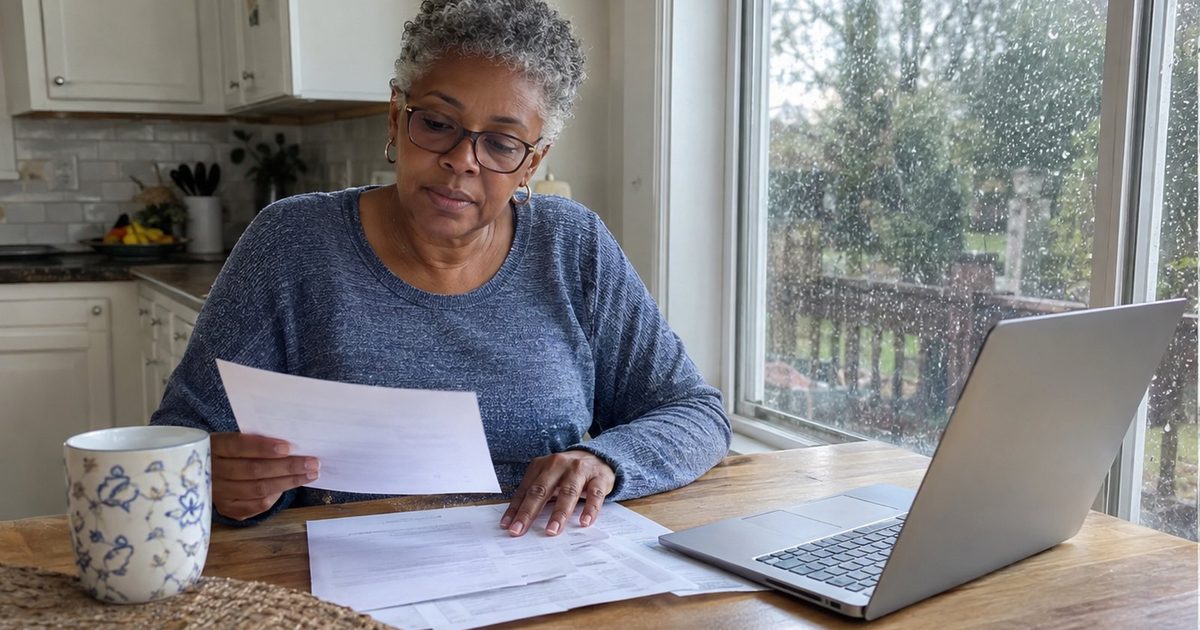
- Take a video walk-through of your home now. Open closets and drawers, and narrate what's there. Upload it to cloud storage.
- Keep copies of your policies in a waterproof pouch. A fire- and water-resistant pouch like the Andyer Fireproof & Water-Resistant Document Bag works well, and for evacuations, a roll-top Earth Pak Waterproof Dry Bag keeps papers dry even if you have to wade through water.
- Save receipts for big purchases, or photos of them.
Three Myths That Cost People Money
- "FEMA will pay for it." Federal disaster assistance is only available when a disaster is officially declared, and it's usually far less than what it takes to repair a home. It's not a substitute for insurance.
- "I'm not in a flood zone, so I'm fine." Flood zones show risk, not certainty. Heavy rain floods neighborhoods well outside mapped zones, especially in a strong El Niño year.
- "My landlord's insurance covers my stuff." It covers the building. Your belongings are on you.
Insurance Is the Backup, Not the Plan
Insurance helps you rebuild. It doesn't stop the water. The best plan is both: coverage, and a home that floods less in the first place. Start with the free fixes in how to flood-proof your home, then add the gear in El Niño Flood Gear: What to Buy to Protect Your Home.
Frequently Asked Questions
Does homeowners insurance cover flooding?
Usually not. Standard homeowners policies typically exclude damage from rising floodwater. You need a separate flood insurance policy.
How long does flood insurance take to start?
NFIP policies generally take effect 30 days after purchase, with some exceptions, such as when coverage is required for a new mortgage.
Can renters get flood insurance?
Yes. Renters can buy contents-only flood coverage to protect their belongings. The landlord is responsible for insuring the building.
Do I need flood insurance if I'm not in a flood zone?
It's worth considering. Many flood claims come from properties outside high-risk zones, and policies there are often less expensive.
Shop the full list on our Amazon storefront