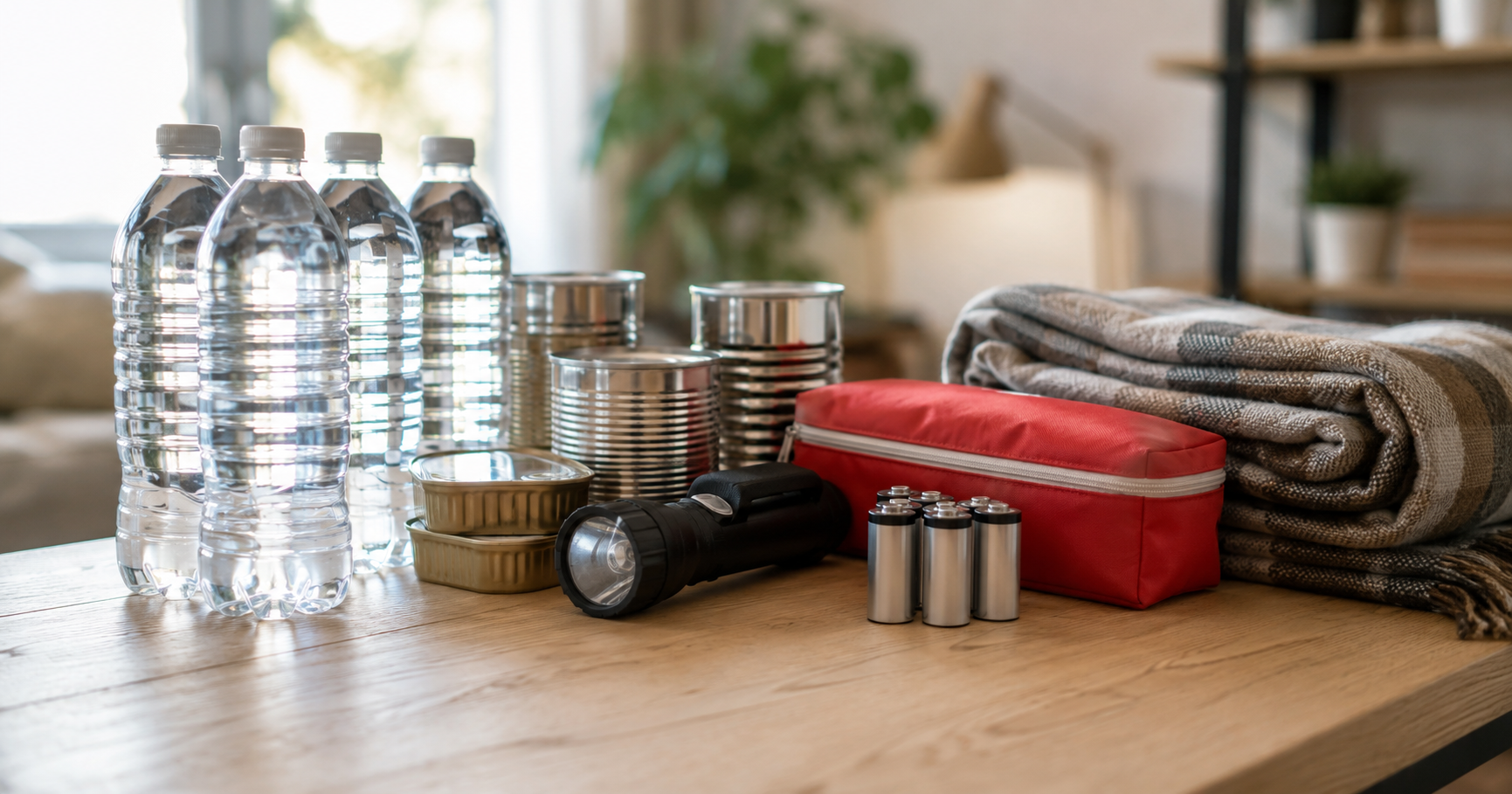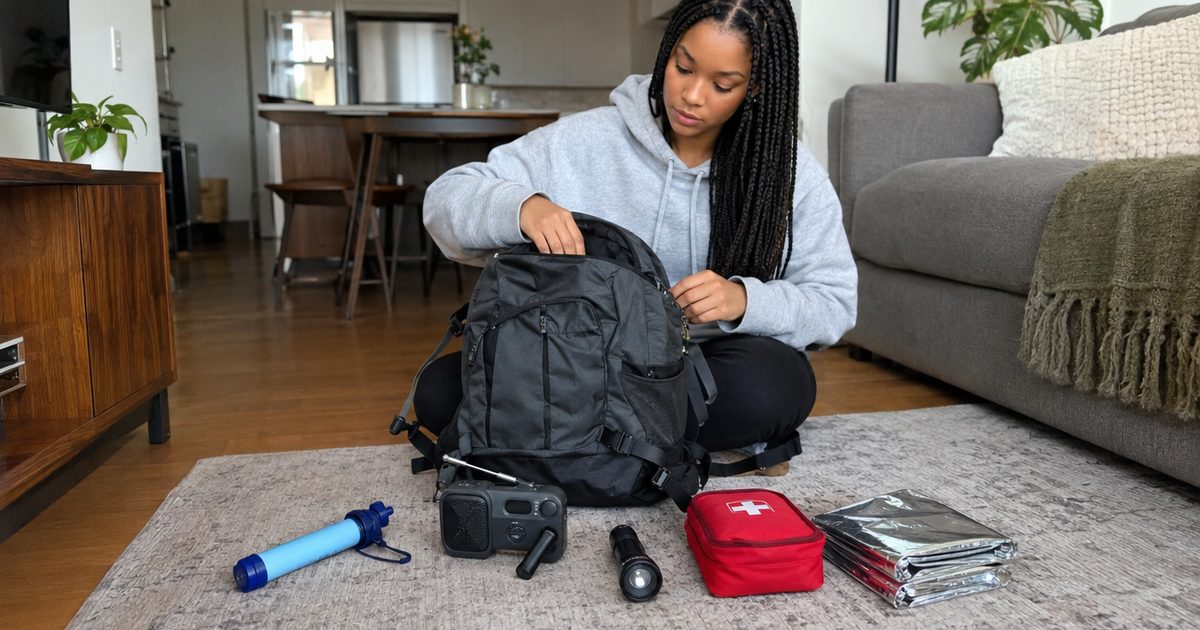
Walk into any big-box store the day before a major storm and you'll see the same thing: empty shelves where the water, batteries, and flashlights used to be. With NOAA giving El Niño 2026 a better-than-90-percent chance of becoming a very strong event this winter, those empty-shelf days are coming to a lot of towns across the southern U.S.
The fix is simple: buy the core supplies now, in the right order, and you'll never be in that line. This guide covers the essentials every household should own, why each one matters, and the order we'd buy them in. Our picks are all saved in one place in our Emergency Supplies Essentials list on Amazon.
The Rule We Use: Buy What Fails First
During a storm, things fail in a fairly predictable order. Power goes out. Phones die. Tap water gets questionable. Roads close, so you can't get to the store or the pharmacy. Every item on this list replaces one of those failures. If a product doesn't solve a real failure, it doesn't make the list.
1. A Ready-Made 72-Hour Kit
If you own nothing yet, start here. A pre-packed kit gives you water, food bars, light, a radio, first aid, and blankets in one bag, so you're covered for the first three days while you build the rest.
The ready-america 2-person kit is a solid, affordable starting point and fits in a closet or car trunk. It's not everything you'll eventually want, but it turns "we have nothing" into "we're covered for three days" in a single purchase. For a side-by-side comparison of other kits, see our best 72-hour emergency kits ranking.
2. Water Treatment
Stored water is step one, but floods and water main breaks can leave tap water unsafe for days. You need a way to make questionable water drinkable.
- A filter: The sawyer-squeeze removes bacteria and parasites and lasts for years. It's small, cheap, and easy to use.
- Purification tablets: potable-aqua tablets are a lightweight backup that also handles viruses. Keep a bottle in your kit and one in your car.
For the full rundown, read 7 ways to purify water when the tap fails, and to figure out how much to store, see how much water to store for El Niño.
3. A Hand-Crank Emergency Radio
When the power and cell networks go down, a radio is how you'll hear what's happening, which roads are closed, and when it's safe to come home. A hand-crank model like the midland-er310 never needs batteries you don't have. It picks up NOAA weather alerts, charges a phone in a pinch, and doubles as a flashlight.
4. A Bright, Reliable Flashlight
Skip the dollar-store flashlights that die in an hour. A sturdy tactical light like the streamlight-protac is bright enough to check a yard, a basement, or a downed line from a safe distance, and it holds up to being dropped. Give every adult in the house their own light so nobody has to share in the dark.
5. A Real First Aid Kit
Most storm injuries are everyday ones: cuts during cleanup, burns, sprains, and splinters. A stocked kit like the bandaid-first-aid handles those, so a small cut doesn't turn into a trip to an urgent care that might be closed. Add your family's prescriptions and a list of doses. Our household first aid kit checklist covers what to add.
6. Emergency Blankets
They weigh almost nothing and cost very little, but mylar blankets reflect body heat and can keep someone warm during a winter outage, after getting soaked in a flood, or while waiting out a storm in a car. A pack like the swiss-safe-mylar 10-pack means everyone in the family gets one, with spares for the car.
7. A Multi-Tool
You'd be surprised how often a storm turns into a small repair job: a loose hose clamp, a jammed latch, a cord that needs cutting, a battery cover that needs a screwdriver. A quality multi-tool like the leatherman-sidekick puts pliers, knives, and drivers in your pocket.
The Order We'd Buy In
If you're on a budget, buy in this order and stop wherever your budget does:
- 72-hour kit
- Water filter and purification tablets
- Hand-crank radio
- Flashlights
- First aid kit
- Mylar blankets
- Multi-tool
Then add the bigger items, like water storage, a food supply, and backup power, from The Ultimate El Niño 2026 Prep Gear List.
Where to Keep It All
Supplies only help if you can find them in the dark. Keep everything together in one bin or bag, in a closet near an exit, on a high shelf if you're in a flood zone. Tell everyone in the house where it is. Check it twice a year: test the flashlight, crank the radio, and replace anything you used.
What You Can Skip
You don't need tactical gear, a bunker, or a 50-piece "survival" knife set. You need water, light, information, first aid, and warmth. Get those right before you buy anything fancy.
Frequently Asked Questions
What emergency supplies should I buy first?
Start with a 72-hour kit, then add water treatment, a hand-crank radio, flashlights, and a first aid kit. Those cover the most common storm failures: no power, no phone, and unsafe tap water.
Is a pre-made emergency kit worth it?
Yes, as a starting point. It covers your first three days in one purchase. Most families then add more water, food, and better tools over time.
How much should I spend on emergency supplies?
You can cover the core list for a few hundred dollars, and less if you build it over a few paychecks. Buying now, before a storm, also means you pay normal prices instead of last-minute prices.
Where should I store emergency supplies?
Together, in one bin or bag near an exit. If you're in a flood-prone area, keep them on a high shelf or upstairs.