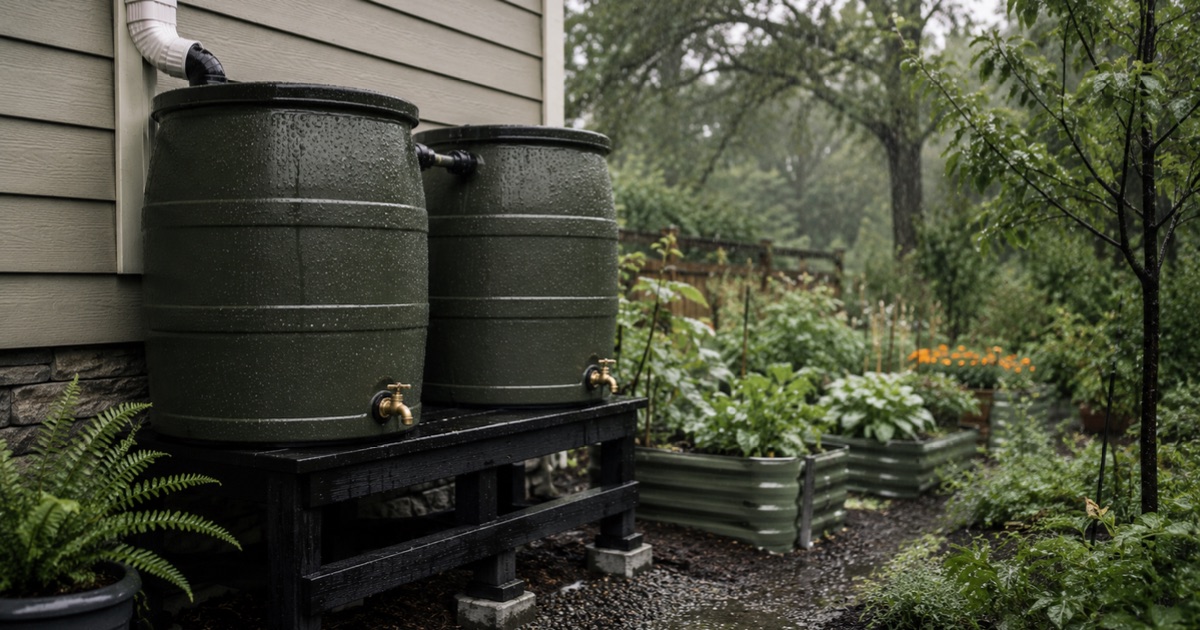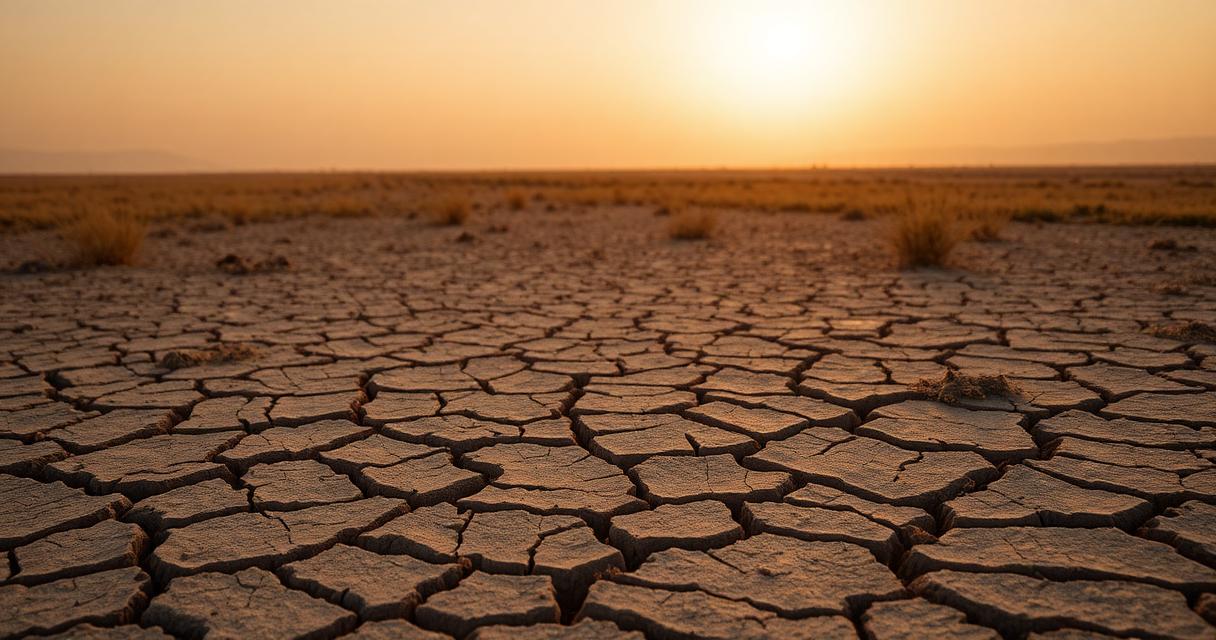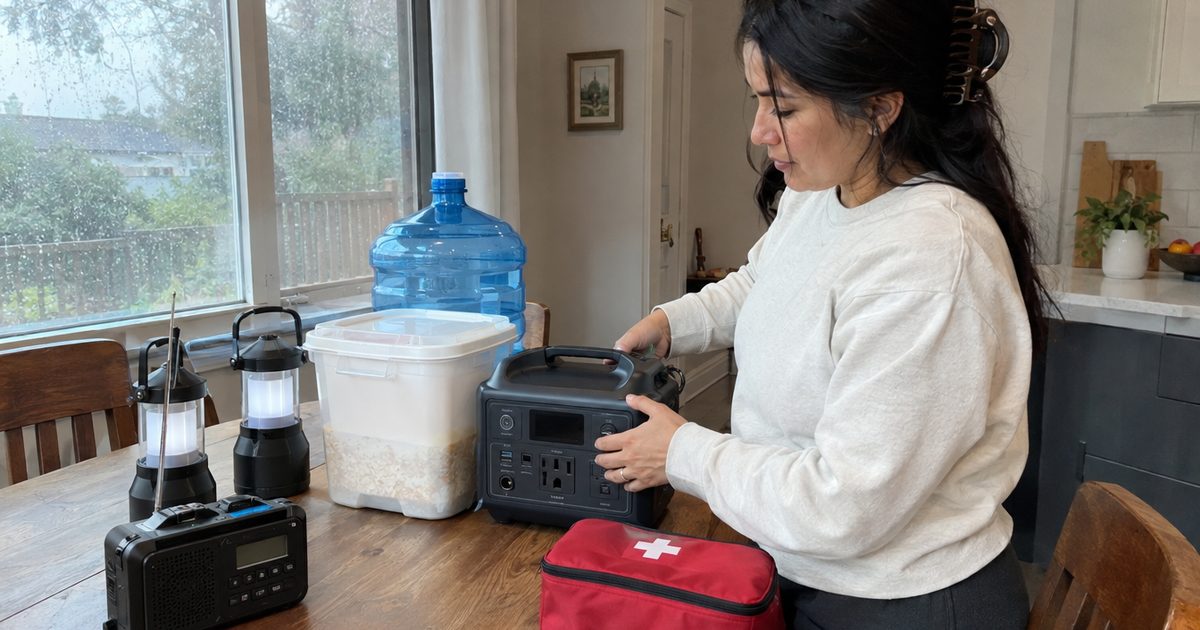
If you've been putting off your storm gear, this is the year to stop waiting. In its September 2026 update, NOAA put the odds of a very strong El Niño this fall and winter at better than 90 percent, with a 75 percent chance it becomes the strongest event since record-keeping began in 1950. That doesn't guarantee your town floods or loses power. It does mean the odds tilt hard toward a wet, stormy winter across the southern half of the country, and toward empty store shelves the week a big system is on the radar.
This list is built to keep you out of that checkout line. Everything is sorted by priority, so if you can only buy three things this month, you know which three. Want the whole list in one place? It's all saved in our El Niño 2026 Prep Gear list on Amazon, ready to work through.
How This List Is Organized
Every item answers one question: what fails first when a storm hits? Information goes first, because you can't make good decisions without warnings. Then water, food, light and power, first aid, your documents, and finally flood gear for homes that need it. At the end, you'll find three kit sizes so you can match the list to your budget.
1. A Way to Hear Warnings When the Power Is Out
Phones die and cell towers get overloaded during big storms. A NOAA weather radio doesn't care. It picks up National Weather Service alerts directly and can sound an alarm in the middle of the night when a flash flood or tornado warning is issued for your county.
The midland-wr120 is the one we recommend for most homes. It runs on wall power with battery backup, and you can program it for just your county so it only wakes you up when it matters. If you're new to weather radios, our guide to the best emergency weather radios breaks down the differences.
2. Water: Two Weeks, Plus a Backup Plan
The standard is one gallon per person per day, and a two-week supply is the goal for El Niño season. For a family of four, that's 56 gallons. That sounds like a lot until you see it stacked in a closet. Five-gallon containers like the scepter-water-jug are food-safe, stack neatly, and are easy to refill and rotate.
Storage runs out, so pair it with a filter. Floodwater often contaminates city water for days, and a small sawyer-squeeze lets you make questionable water safe to drink. Our water storage guide walks through the exact math for your household.
3. Food That Doesn't Need a Kitchen
When the power's out, the stove and microwave are out too. Aim for two weeks of food your family will actually eat, with plenty that needs no cooking at all: canned proteins, nut butter, crackers, and dried fruit.
For a fast foundation, a pre-packed bucket like the readywise-bucket adds weeks of shelf-stable meals in one purchase and lasts for years in a closet. Then build around it with normal groceries. The full plan is in our emergency food stockpile guide.
4. Light and Power
Candles cause house fires every storm season. Battery LED lanterns are safer and brighter, and a multi-pack like the etekcity-lanterns puts one in every room so nobody's stumbling around in the dark.
For phones, a router, and small medical devices, a portable power station is the single most useful outage purchase most households can make. The jackery-300 handles phones, lights, and a CPAP overnight, runs silently, and is safe to use indoors, unlike a gas generator. If you need more capacity, our portable power station guide compares bigger units.
5. First Aid
Storm injuries are usually ordinary ones: cuts from cleanup, burns, sprains, and blisters from long days of hauling. A well-stocked kit like the first-aid-110pc covers the basics. Add a two-week supply of any prescription medications and a written list of doses. Pharmacies close during big storms, too.
6. Your Important Documents
If you have to evacuate, the papers that prove who you are and what you own matter more than almost anything else in the house. Keep copies of IDs, insurance policies, deeds, and medical records in a fire- and water-resistant pouch like the document-bag, stored near the door so you can grab it in seconds.
7. Flood Gear (If You're in a Flood-Prone Area)
If water has ever come near your doors, add flood barriers before the rainy season starts. Water-activated barriers like the quick-dam-5ft work like instant sandbags. They're flat and light until they touch water, then swell to form a barrier across doorways and garage doors. For more options, read our flood-proofing guide and sandbagging 101.
Three Kit Sizes for Three Budgets
You don't need everything this weekend. Build in layers:
- Starter kit (under about $150): weather radio, lanterns, one water container plus a filter, and a first aid kit. This covers the most common emergencies.
- Solid kit: add the food bucket, the document pouch, and a second water container. Now you can ride out a week-long outage.
- Full kit: add the power station and flood barriers. This is the setup for households in the storm-and-flood belt or anyone who relies on powered medical equipment.
What Not to Buy
Skip anything you can't explain how to use. Skip gas generators unless you can run them outdoors, at least 20 feet from the house. And skip "survival" gadgets that solve problems you don't have. A household in Ohio doesn't need the same flood gear as one on the Texas coast. Check your regional risk in our El Niño 2026 preparation guide before you shop.
Frequently Asked Questions
What's the most important El Niño prep item?
Water. You can go weeks without food but only days without water, and El Niño flooding can contaminate city water supplies. Store one gallon per person per day and keep a filter as backup.
When should I buy El Niño prep gear?
Now, before the peak of the season. NOAA expects this El Niño to peak in late fall or early winter, and stores sell out of radios, lanterns, and water containers within hours of a major storm warning.
Do I need a generator for El Niño?
Not usually. A battery power station covers phones, lights, and small medical devices and is safe to run indoors. Gas generators make sense for whole-home needs, but they must always run outside.
How much does a basic El Niño kit cost?
A starter kit with a weather radio, lanterns, a water container, a filter, and a first aid kit can be built for around $150. Add bigger items like a power station over time.