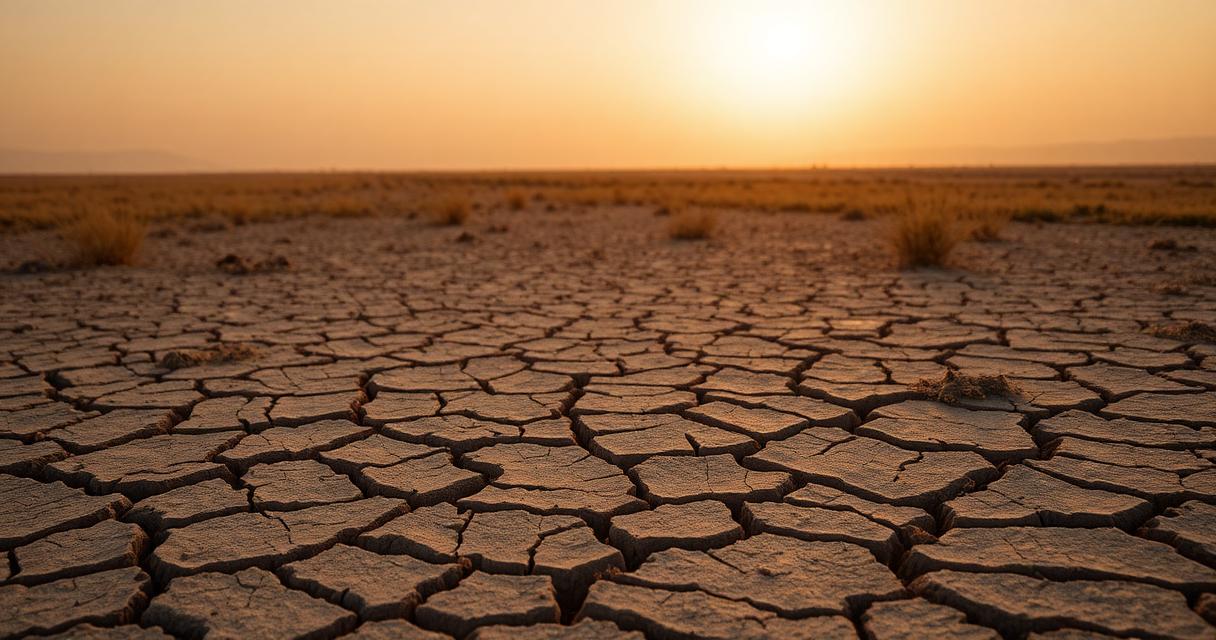
El Niño has a reputation as a rainmaker, but it doesn't soak everyone — and if you live in the wrong region, planning for floods when your real risk is drought leaves you badly exposed. The Pacific Northwest, the northern Rockies, and parts of the Ohio Valley and upper Midwest often turn drier than normal during El Niño winters, with reduced snowpack and rainfall that raise the risk of drought and, into the following year, wildfire. If that's your part of the country, your El Niño prep looks very different from the flood-belt's. Here's how to get ready for a drier season. This complements the main El Niño prep guide.
Store extra water now, before restrictions hit
Drought brings water-use restrictions in cities and falling well levels in rural areas, and both arrive with little warning. Build your stored water supply before shortages and bans take effect. Use food-grade containers like the aqua-tainer and modular, stackable waterbrick units to store efficiently in the space you have. Because drought-prone and well-dependent households face a longer, more uncertain shortage than a brief outage, storing more than the standard two-week minimum is wise here. A countertop gravity filter such as the big-berkey also lets you safely stretch whatever water you can access.
Fix leaks and cut everyday waste
In a drought, every gallon counts, and household leaks waste a startling amount. A single dripping faucet can waste gallons a day, and a running toilet far more. Fix leaks promptly, install low-flow showerheads and faucet aerators, and run dishwashers and washing machines only with full loads. These small changes add up to meaningful savings over a dry season and lower your bills year-round.
Mulch and manage your landscape
Outdoors, a thick layer of mulch around plants and beds dramatically slows evaporation, keeping soil moist with far less watering. Group plants by water needs, water deeply but less often to encourage deep roots, and water in the early morning to minimize evaporation loss. Consider replacing thirsty lawn areas with drought-tolerant or native plantings that thrive on natural rainfall once established.
Reuse greywater where it's allowed
Greywater — the relatively clean wastewater from sinks, showers, and washing machines — can often be reused for irrigation where local rules permit. Even simple habits help: catch the cold water that runs while your shower warms up in a bucket and use it on plants, or place a basin in the sink while rinsing. Collected dehumidifier and air-conditioner condensate works for irrigation too. Check your local regulations before setting up any permanent greywater system.
Create defensible space against wildfire
Drier conditions don't just mean water shortages; they raise fire risk, often into the following year. Reduce your home's vulnerability by creating defensible space: clear dry brush, dead vegetation, and debris within at least 30 feet of the house, keep gutters and roofs free of leaves and needles, trim tree limbs away from the structure, and store firewood and propane well away from the home. This work pays off enormously if fire ever threatens your area.
Know your local restrictions and plan ahead
Drought management is heavily local, with watering schedules, usage caps, and outright bans that vary by community and tighten as conditions worsen. Learn your area's drought stages and rules early so you're conserving and storing ahead of the restrictions rather than scrambling after they're imposed. Staying informed lets you make smart choices before your options narrow.
Don't overlook your well and water heater
Two often-forgotten water reserves deserve attention in a drought. If you're on a well, falling water tables during a dry El Niño can reduce flow or run a shallow well dry — know your well's depth and capacity, and have stored water as backup in case the pump pulls air. Your water heater also holds 40 to 50 gallons of usable emergency water you can drain from the bottom valve if needed (turn off the power or gas first, and let it cool). Knowing about these hidden reserves gives you more options when the tap runs short, but they supplement rather than replace dedicated stored water.
Frequently asked questions
Doesn't El Niño cause more rain everywhere?
No. El Niño shifts the storm track southward, which often leaves the Pacific Northwest, northern Rockies, and parts of the Midwest drier than normal, with reduced snowpack and elevated drought and wildfire risk. The wetter conditions concentrate in the southern U.S., not the whole country.
How much water should I store for a drought?
The one-gallon-per-person-per-day rule still applies, with two weeks as the baseline — but in drought-prone or well-dependent areas where shortages can last much longer, storing a month or more is reasonable. More storage buys you more flexibility when restrictions tighten.
Can I drink greywater?
No. Greywater from sinks, showers, and laundry is suitable for irrigation but is not safe to drink even after filtering, because it can carry soaps, bacteria, and contaminants. Always keep your drinking water supply completely separate from any greywater system.
What plants are best for a drought-prone yard?
Native and drought-tolerant species adapted to your region need far less supplemental water once established. Succulents, ornamental grasses, lavender, and many native shrubs and wildflowers thrive on natural rainfall. Replacing thirsty turf with these reduces your water use substantially.
How do I protect my home from wildfire during a dry El Niño?
Create defensible space by clearing dry brush and debris within at least 30 feet of the house, keeping gutters and roofs clear of flammable litter, trimming branches away from the structure, and storing firewood and fuel at a distance. These steps dramatically improve your home's odds if fire approaches.