Most prep advice assumes you have a garage full of space and a few thousand dollars to spend. Most people don't. The good news is that the things that matter most in a storm, like water, light, information, and basic first aid, are some of the cheapest things to buy.
This is a realistic plan to get a household ready for El Niño 2026 for under $200, spread across four paychecks so it never hits all at once. Prices change, so treat the numbers as rough targets and check current prices when you shop. Our budget-friendly picks are saved in our El Niño 2026 Prep Gear list.
Start With What You Already Own
Before you buy anything, raid your own house. You probably already have:
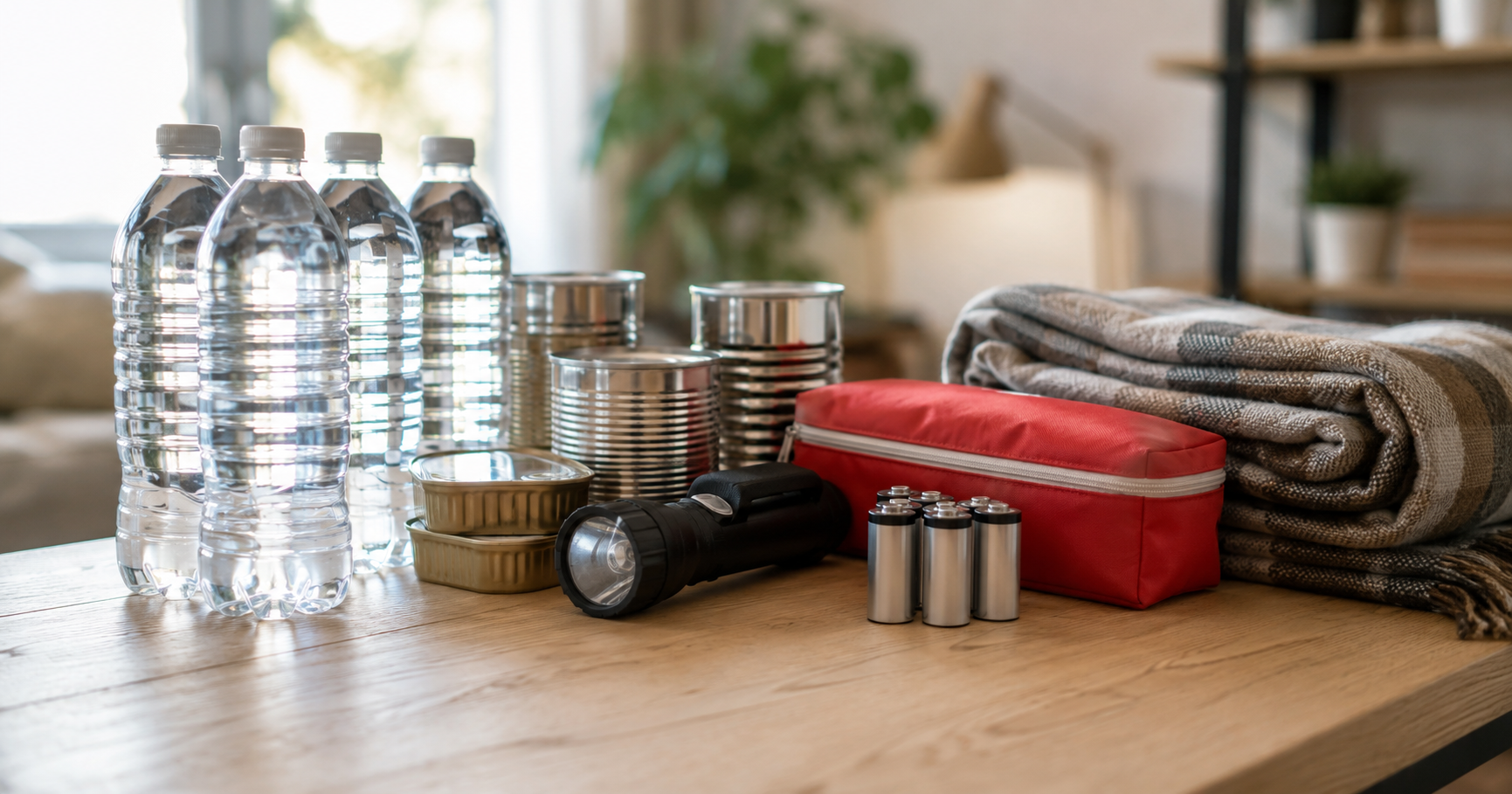
- Flashlights and a drawer of batteries
- Coolers that can keep food cold during an outage
- Blankets, sleeping bags, and warm layers
- A car charger for your phone
- Canned goods, rice, pasta, and peanut butter in the pantry
Pull it all into one spot, test the flashlights, and check expiration dates. That's free, and it's half the battle.
Paycheck 1 (About $50): Water
Water comes first because you can't go long without it, and El Niño flooding can make tap water unsafe for days.
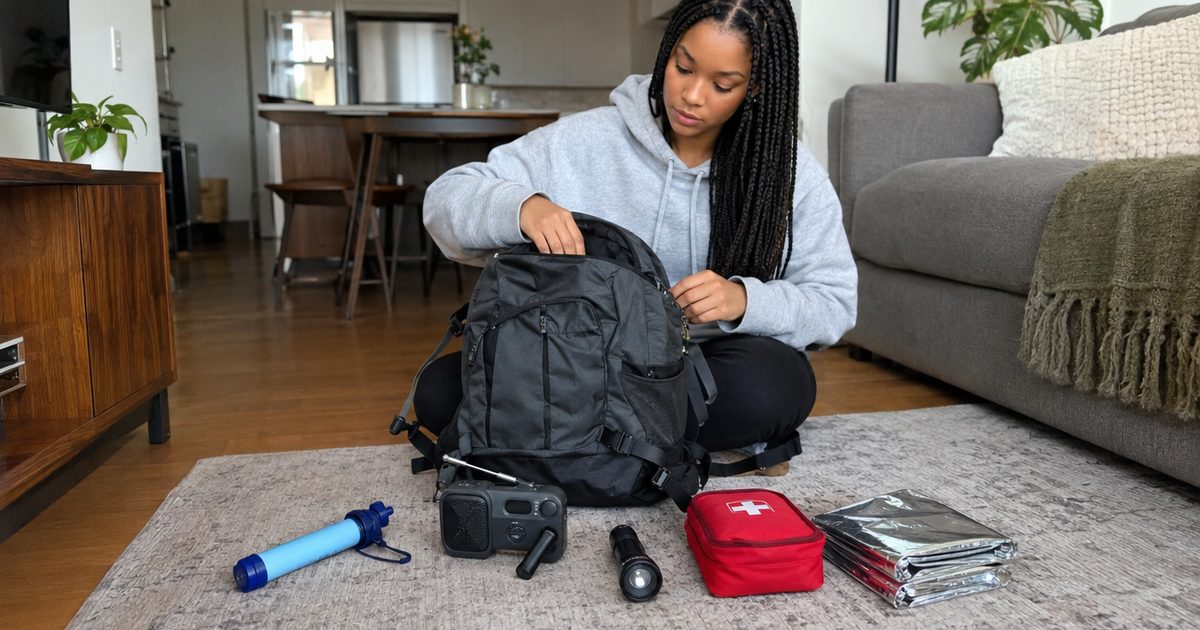
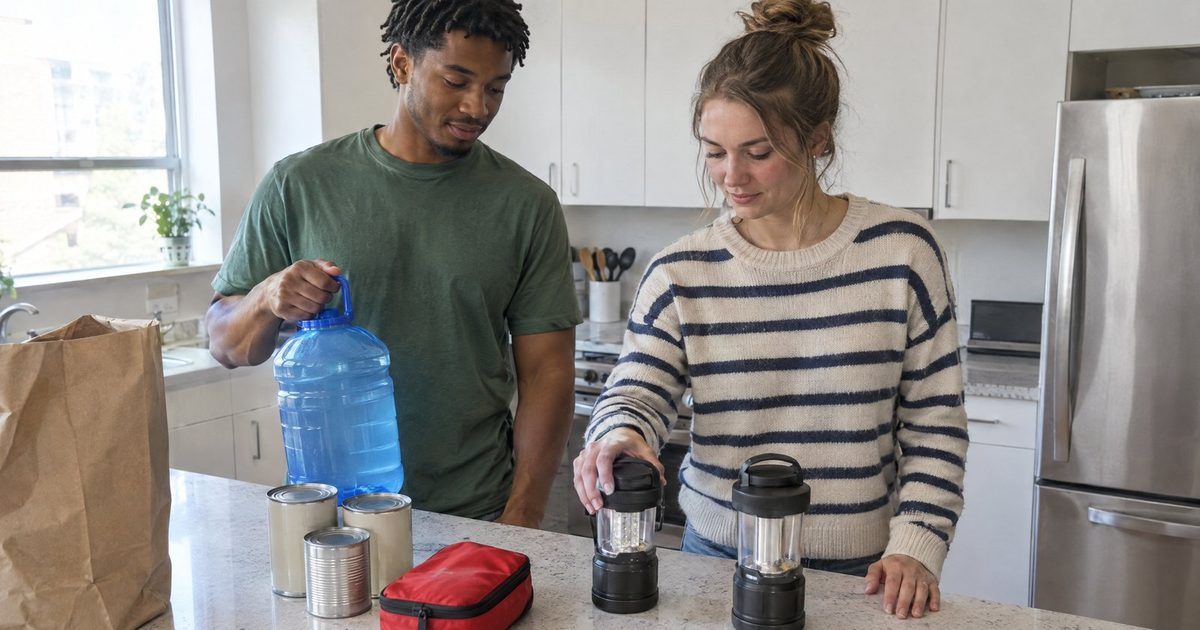
- One five-gallon container, like the Scepter 5-Gallon Water Storage Jug. Fill it from your tap and you've got about five days of drinking and basic hygiene water for one person.
- A small water filter, like the Sawyer Squeeze Water Filtration System (SP129), so you can make questionable water safe once your stored supply runs low.
Can't afford a container yet? Clean, food-grade bottles from the store work too. Just rotate them. Our water storage guide has the full math.
Paycheck 2 (About $50): Light and Information
- LED lanterns, like a multi-pack of Etekcity LED Camping Lanterns, 4 Pack. They're safer than candles and light a whole room.
- A hand-crank emergency radio, like the Midland ER310 Emergency Crank Weather Radio. It needs no batteries, picks up NOAA weather alerts, and can give your phone a small emergency charge.
Paycheck 3 (About $50): First Aid and Warmth
- A basic first aid kit, like the Be Smart Get Prepared 110-Piece First Aid Kit. Storm injuries are usually small ones, like cuts and burns during cleanup.
- Emergency blankets, like the Swiss Safe Mylar Emergency Blankets, 10 Pack 10-pack. They cost very little and help keep someone warm during a winter outage or after getting soaked.
Paycheck 4 (About $50): Phone Power and Food
- A power bank, like the Anker 20,000mAh Power Bank. It keeps your phone, your lifeline, charged through an outage.
- Pantry staples, with whatever's left. Add a few no-cook items to your regular grocery trips: canned tuna or chicken, peanut butter, crackers, oatmeal, and shelf-stable milk. Don't forget a manual can opener.
The Total
Four paychecks, roughly $200, and you've covered water, light, information, first aid, warmth, phone power, and food. That covers the most common storm problems: no power, no phone signal, and unsafe tap water.
Free and Almost-Free Prep
Some of the most valuable prep costs nothing at all:
- Clean your gutters and clear nearby storm drains. Clogged drainage causes a lot of avoidable home flooding.
- Fill your bathtub before a big storm. That water is for flushing and cleaning, not drinking, and it's free.
- Write key phone numbers on paper. Your phone won't always have a charge.
- Make a family plan. Pick a meeting spot and an out-of-area contact. Our storm-season communication plan walks you through it.
- Sign up for local alerts from your county's emergency management office.
Five Ways to Stretch Your Budget
- Buy one extra on every grocery trip. One more can of beans or jar of peanut butter each week quietly builds a real food supply.
- Shop before the forecast, not after. Prices on water, batteries, and lanterns don't drop during a storm watch. Shelves just empty.
- Split bulk packs with a neighbor. Lantern multi-packs, mylar blankets, and batteries often come in packs bigger than one household needs.
- Check the dollar store for basics. Zip-top bags for documents, duct tape, a manual can opener, and plastic sheeting are cheap there.
- Use what you buy. Rotate your water and pantry into everyday use so nothing expires and nothing is wasted.
What to Skip on a Budget
Skip the expensive "survival" gadgets, tactical gear, and pre-packed food buckets for now. Skip gas generators entirely unless you can run one safely outside. And skip buying everything at once. Steady beats panic, and buying ahead of a storm means normal prices instead of last-minute prices.
When You Have More to Spend
Once the basics are covered, the next upgrades are more water storage, two weeks of food, and backup power. You'll find our picks in The Ultimate El Niño 2026 Prep Gear List, and our Power Outage Essentials for El Niño Storm Season covers bigger outage gear.
Frequently Asked Questions
Can I really prepare for El Niño for under $200?
Yes. Water storage, a filter, lanterns, a hand-crank radio, a first aid kit, emergency blankets, and a power bank cover the most common storm problems, and you can spread the cost over a month or two.
What should I buy first if I only have $50?
Water storage and a small water filter. Water is the hardest thing to improvise during a storm.
Do I need a generator for El Niño?
No. Most households get through outages with lanterns, a power bank, and a radio. Generators are optional and must always be run outdoors.
How do I build an emergency food supply cheaply?
Add a few shelf-stable, no-cook items to every regular grocery trip: canned proteins, peanut butter, crackers, oatmeal, and shelf-stable milk. Over a few weeks, that adds up to a real supply.
Shop the full list on our Amazon storefront