"When does it hit?" is the question everybody asks about El Niño, and the honest answer has two parts. The ocean peaks first. The weather follows a few weeks to a couple of months later. Understanding that lag is the difference between prepping in calm October weather and fighting crowds at the hardware store in January.
Here's the El Niño 2026 timeline, month by month, based on NOAA's forecasts as of early October 2026, along with what to do in each window.
The Short Answer
NOAA expects El Niño's ocean warmth to peak in late fall or early winter, roughly October through December. In the U.S., the strongest weather impacts usually arrive from December through February, and some effects, especially in California and the South, can linger into March.
Why the Ocean and the Weather Peak at Different Times
El Niño starts in the Pacific Ocean, but it reaches your backyard through the atmosphere. Warm water changes where storms form, which shifts the jet stream, which steers storms across North America. That chain reaction takes time, and the jet stream has the most influence over U.S. weather in winter. That's why the ocean can peak in November while the stormiest stretch for the southern U.S. lands in January and February.
The Month-by-Month Timeline
June to August 2026: El Niño Arrives
NOAA declared El Niño conditions in June and issued an El Niño Advisory. Through the summer, the Pacific warmed fast, and forecasters steadily raised the odds of a strong event. This was the quiet "head start" window.
September 2026: Very Strong Territory
By NOAA's September 10 update, ocean temperatures in parts of the eastern equatorial Pacific were running more than 3.0°C above normal. NOAA put the odds of a very strong event at better than 90 percent and the odds of a record-breaking one at 75 percent. Want the details on what "very strong" means? Read Is El Niño 2026 a Super El Niño?
October 2026: The Prep Window
Ocean warmth keeps building. U.S. weather is usually still fairly normal this month, which makes October the best time to prepare. Shelves are full, prices are normal, and you're not racing a forecast.
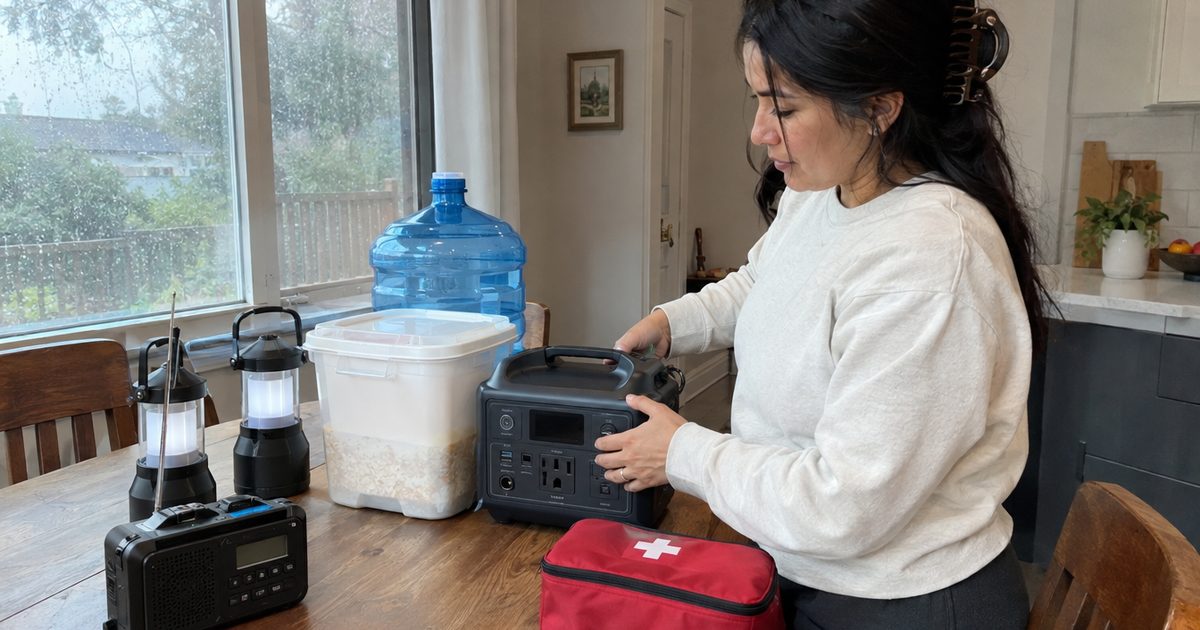
Do this month: store water, build your pantry, buy a weather radio and lanterns, and clean your gutters. NOAA's next update lands October 8.
November 2026: The Ocean Peaks
This is around when El Niño's ocean warmth is expected to top out. In the U.S., storms start lining up across the southern tier, and California's rainy season can start early in strong El Niño years.
Do this month: finish home prep (roof, drains, sump pump), set up your family communication plan, and winterize your car. NOAA updates again November 12.
December 2026: Impacts Ramp Up
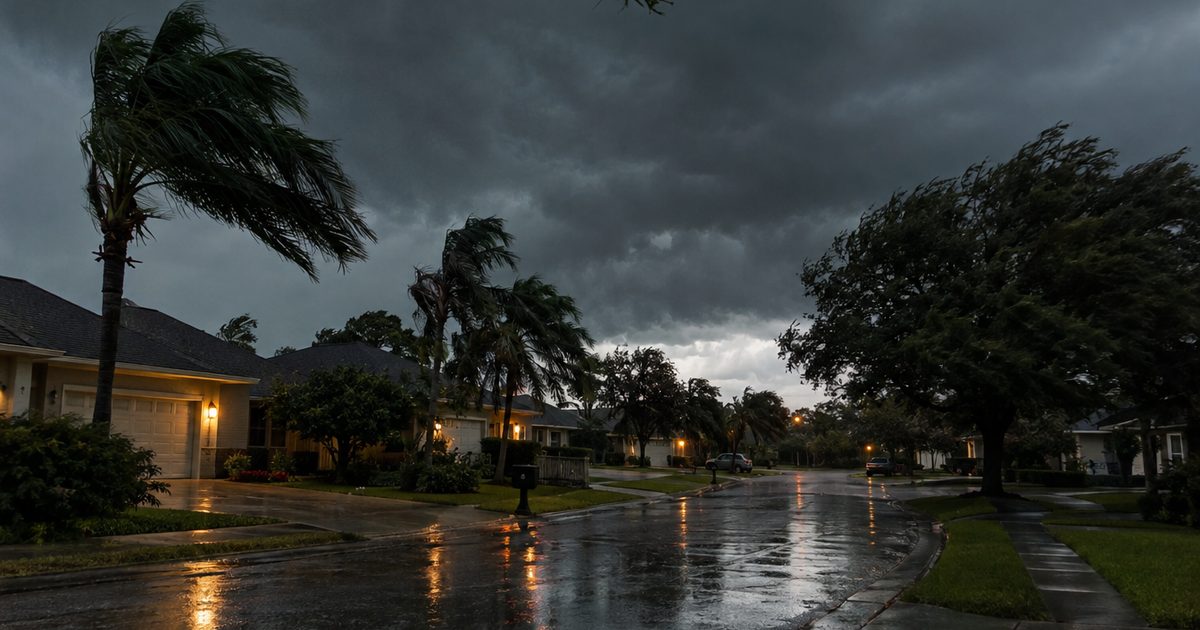
The jet stream shifts south and the storm train gets going. Expect more frequent rain events across California, the Southwest, Texas, the Gulf Coast, and the Southeast. The northern tier often sees a milder start to winter. NOAA's December 10 update will confirm how strong the event peaked.
Do this month: check your supplies, charge your power banks before every big system, and keep your gas tank at least half full.
January to February 2027: Peak U.S. Impacts
Historically, this is the stormiest stretch of a strong El Niño winter for the southern U.S. Repeated heavy rain on soaked ground raises the flood risk. When cold air does push south, it can collide with all that moisture and produce ice storms, which bring down trees and power lines.
Do this month: stay alert to warnings, avoid flooded roads, and don't let your supplies run down.
March to May 2027: The Fade
El Niño usually weakens through spring. Lingering storms are still possible in March, especially in California and the South. Then the focus shifts to cleanup and to what comes next.
Summer 2027 and Beyond: What Follows
After very strong El Niño events, the Pacific often swings toward neutral or even La Niña conditions within a year. That can flip the pattern, sometimes bringing drier conditions to the southern U.S. It's too early to call, but it's worth watching.
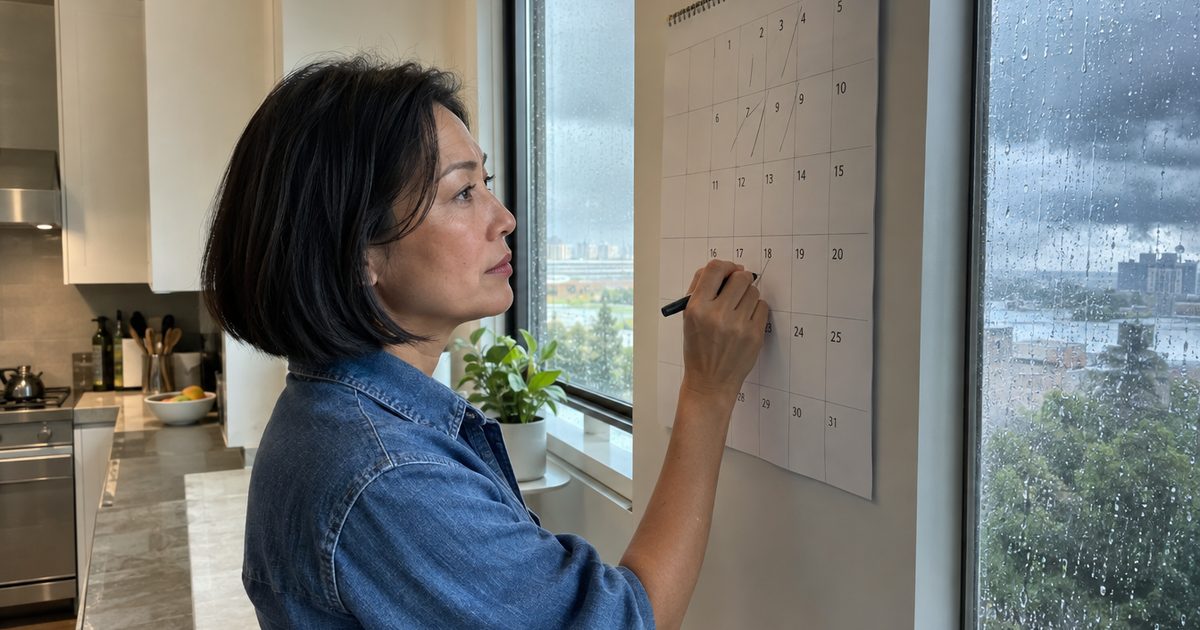
Your Prep Calendar at a Glance
- October: water, food, radio, lights, gutters.
- November: home repairs, sump pump, family plan, car kit.
- December: top off supplies, charge everything before each storm.
- January–February: stay alert, stay off flooded roads, keep restocking.
- March: inspect for damage and mold, then restock for next season.
For a day-by-day version, our 30-Day El Niño Prep Plan breaks October and November into small daily tasks.
The Gear to Get Before the Peak
Three things sell out first when a big storm is forecast, so grab them now:
- A NOAA weather radio, like the midland-wr120, for warnings when phones fail.
- Water containers, like the scepter-water-jug, for a two-week supply.
- Battery lanterns, like the etekcity-lanterns, so nobody reaches for candles.
The rest of our top picks are in The Ultimate El Niño 2026 Prep Gear List and our El Niño 2026 Prep Gear list on Amazon.
Frequently Asked Questions
When will El Niño 2026 peak?
NOAA expects the ocean warmth to peak in late fall or early winter, roughly October through December 2026.
When will El Niño affect U.S. weather the most?
Usually December through February. The southern U.S. tends to see its stormiest stretch in January and February, and some effects can last into March.
How long will El Niño 2026 last?
Most strong El Niño events fade through spring. Forecasters expect this one to weaken in early to mid-2027.
What comes after El Niño?
Often neutral conditions, and sometimes La Niña, which can bring the opposite pattern: drier weather across the southern U.S.