Flooding is the most common and most expensive natural disaster in the U.S., and a strong El Niño stacks the odds toward a wet winter across the southern half of the country. If water has ever come near your doors, your garage, or your basement, this is the season to get your flood gear in place, before the first big storm, not the night of it.
The good news: you don't need a contractor or thousands of dollars to make a real difference. Most flood damage happens in a few predictable ways, and the right gear for each one is affordable. We've organized everything by job. All of our picks are saved together in our Flood Protection Gear list on Amazon.
Job 1: Keep the Water Out
The cheapest flood is the one that never gets inside. Water usually enters through the lowest openings: doorways, garage doors, and basement windows.
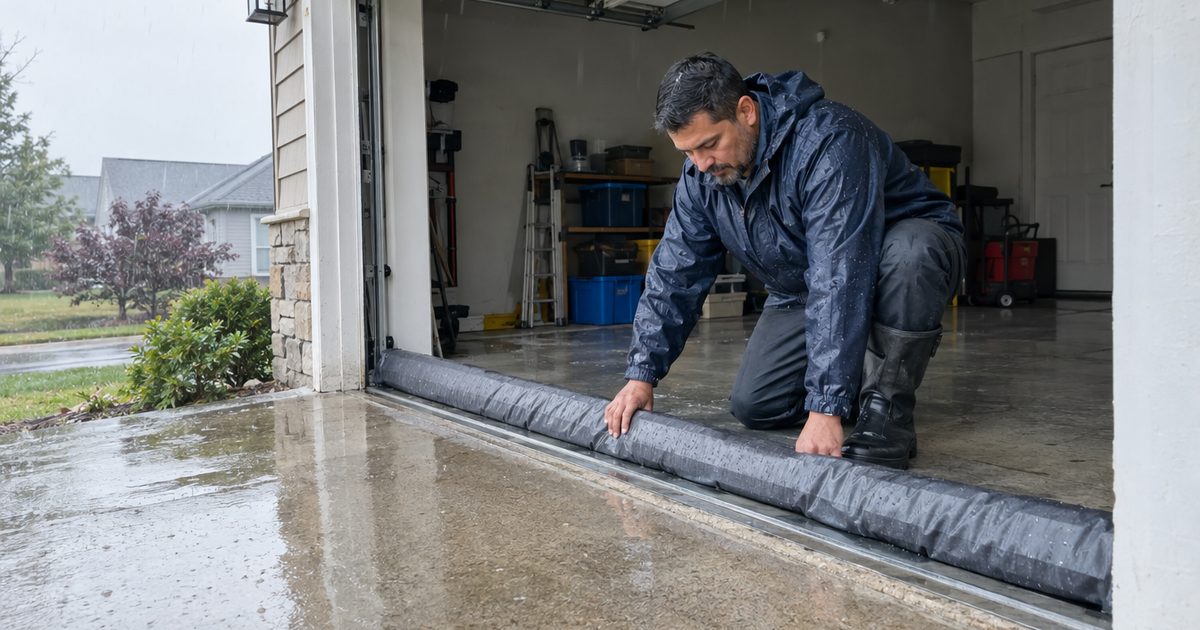
- Water-activated barriers: Quick Dam Water-Activated Flood Barrier, 10 ft barriers are flat and light until they touch water, then swell into a barrier in a few minutes. They're perfect for a garage door, and much easier than hauling sand.
- Sandbags: for longer walls or bigger gaps, empty bags like Sandbaggy Heavy-Duty Sandbags are a low-cost classic. Get them, and sand, before the season, because both sell out fast.
How you stack sandbags matters more than how many you have. Our sandbagging 101 guide shows how to build a wall that actually holds.
Job 2: Pump It Out
If you have a basement, your sump pump is your last line of defense. And here's the problem: the storm that floods your basement is often the same storm that knocks out your power, which shuts the pump off right when you need it most.
A combination system like the Wayne Primary + Battery Backup Sump Pump System includes a primary pump and a battery backup that kicks in automatically when the power fails. It's one of the best investments a basement homeowner can make. Read sump pump and backup power to set it up right.
Job 3: Catch Leaks Early
Plenty of water damage isn't from a dramatic flood. It's a slow leak in a corner you don't check, until the drywall is soaked and mold has started. Battery water alarms, like the Zircon Leak Alert Water Detector, 3 Pack 3-pack, sit on the floor near your water heater, sump pit, and washing machine and sound the moment water touches them. They're cheap, and they turn a disaster into a quick mop-up.
Job 4: Protect What You Can't Replace
If you have to evacuate, you want your papers, phone, and medications dry. A roll-top waterproof bag like the Earth Pak Waterproof Dry Bag keeps documents and electronics safe even if you have to wade through water. Pack it in your flood emergency kit so it's ready to go.
A sturdy pair of rubber boots like the Dunlop Chesapeake Rubber Boots also earns its spot. Cleanup means walking through mud and standing water, and floodwater often carries sewage and debris. Never walk through it in sneakers.
Job 5: Clean Up and Dry Out Fast
After the water's gone, you have about 24 to 48 hours before mold can start growing. Speed is everything.
- A wet/dry vac: the DEWALT 6-Gallon Wet/Dry Shop Vac pulls standing water out of carpet, floors, and corners much faster than towels.
- Absorbent socks and pads: a kit like the PIG Water Absorbing Kit soaks up water along walls and doorways and keeps it from spreading.
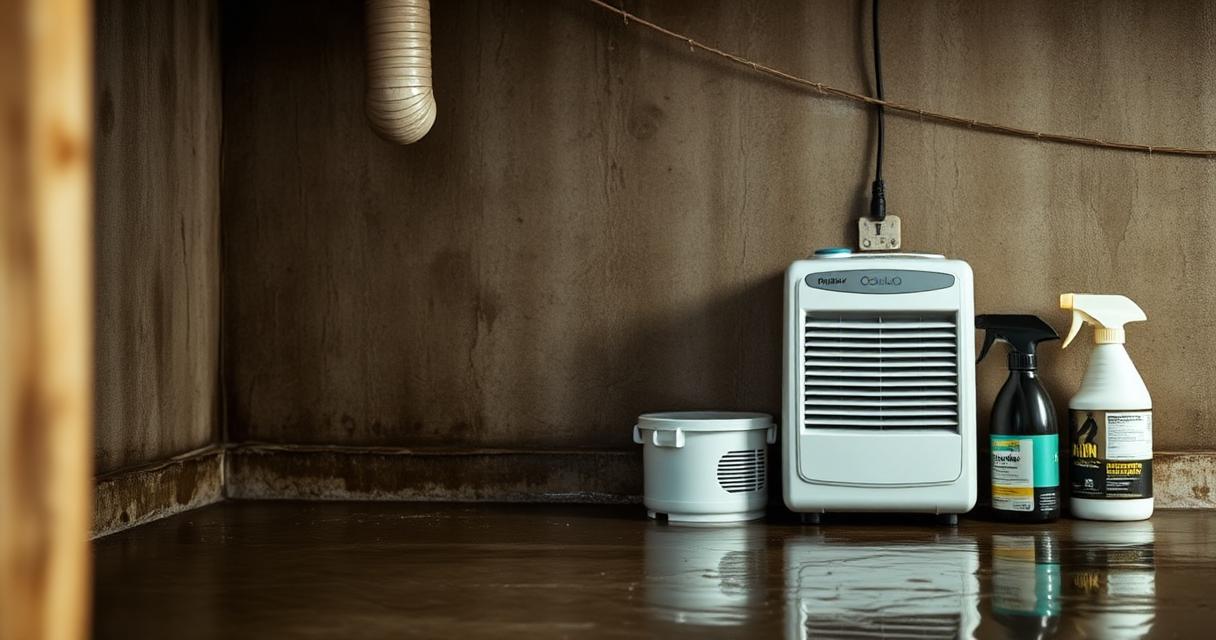
- A dehumidifier: a large unit like the hOmeLabs 4,500 Sq Ft Dehumidifier pulls moisture out of the air and the walls so you stop mold before it starts.
Our guide to preventing mold after heavy rain walks through the full dry-out process.
What to Buy First
If you're on a budget, prioritize by your home:
- Have a basement? Start with the backup sump pump and water alarms.
- Water comes in at doors or the garage? Start with flood barriers or sandbags.
- Everyone: a dry bag for documents, rubber boots, and a wet/dry vac for cleanup.
A One-Weekend Flood Prep Plan
You can knock most of this out in a single weekend. On Saturday morning, walk around the house in the rain, or with a garden hose, and watch where water goes. Note every low doorway, window well, and spot where water pools against the foundation. Saturday afternoon, clean the gutters, extend the downspouts, and set water alarms near the water heater and sump pit. On Sunday, test the sump pump by pouring a bucket of water into the pit, then stage your barriers or sandbags in the garage where you can reach them fast. Pack the dry bag with copies of your documents. By Sunday night, you're ready for the season.
Gear Can't Replace These Steps
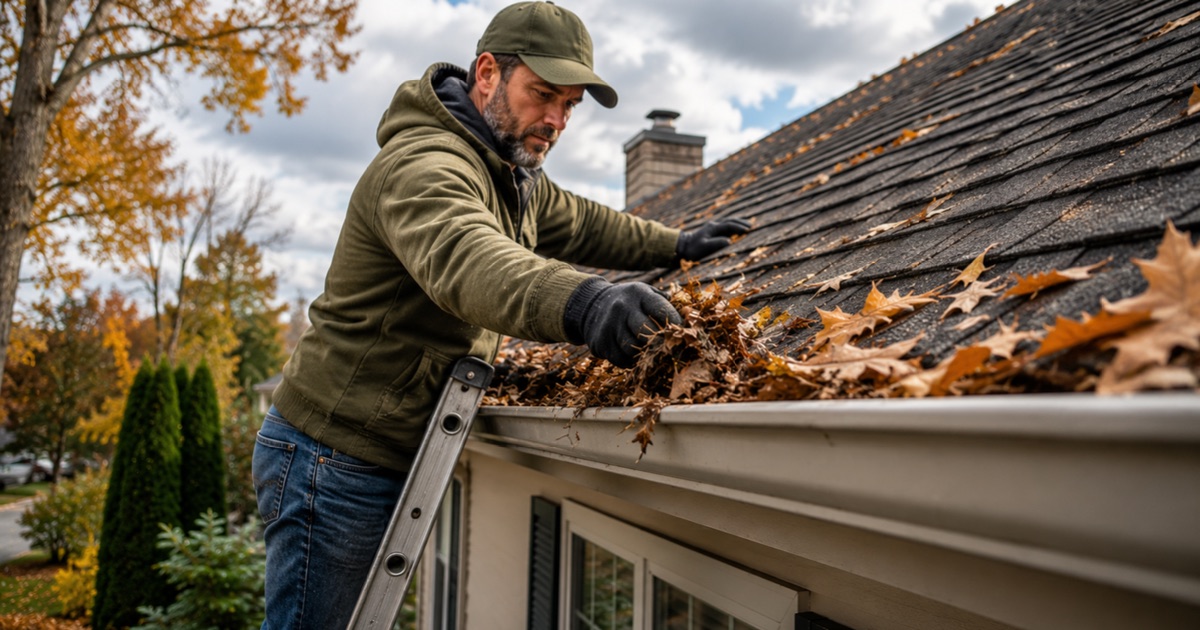
Flood gear works best alongside a few free habits. Clean your gutters, extend your downspouts away from the foundation, and clear the storm drain at the end of your street. Most avoidable home flooding starts with drainage that's clogged or pointed the wrong way. Our guide to flood-proofing your home covers the free fixes in detail.
And one rule that no gear can override: never drive or walk into floodwater. It's often deeper and faster than it looks.
Frequently Asked Questions
What's the best flood protection for a garage door?
Water-activated flood barriers are the easiest option for most homes. They're light to store, quick to deploy, and seal better across a wide opening than a few loose sandbags.
Do I need a backup sump pump?
If you have a basement and a sump pump, yes. Storms that cause flooding often knock out power too, and a battery backup keeps the pump running when the primary one can't.
How fast do I need to dry out after a flood?
Within 24 to 48 hours. After that, mold can start growing in drywall, carpet, and insulation.
Does homeowners insurance cover flooding?
Usually not. Standard policies typically exclude flood damage, so you'd need a separate flood policy, and most have a waiting period before coverage starts. Check yours before the season.
Shop the full list on our Amazon storefront