El Niño means more rain, higher humidity, and more moisture sneaking into homes — and that combination makes it prime mold season. Mold is not just a cosmetic nuisance; it damages your home's structure and triggers allergies, asthma, and respiratory problems, especially in children and anyone with a sensitivity. The critical thing to understand is how fast it moves: mold can begin growing within 24 to 48 hours of water exposure. That short window is also your opportunity, because the entire battle is won or lost on speed and dryness. Here's how to stop mold before it takes hold this wet season. This supports our broader El Niño prep guide.
Dry wet areas within 24 to 48 hours
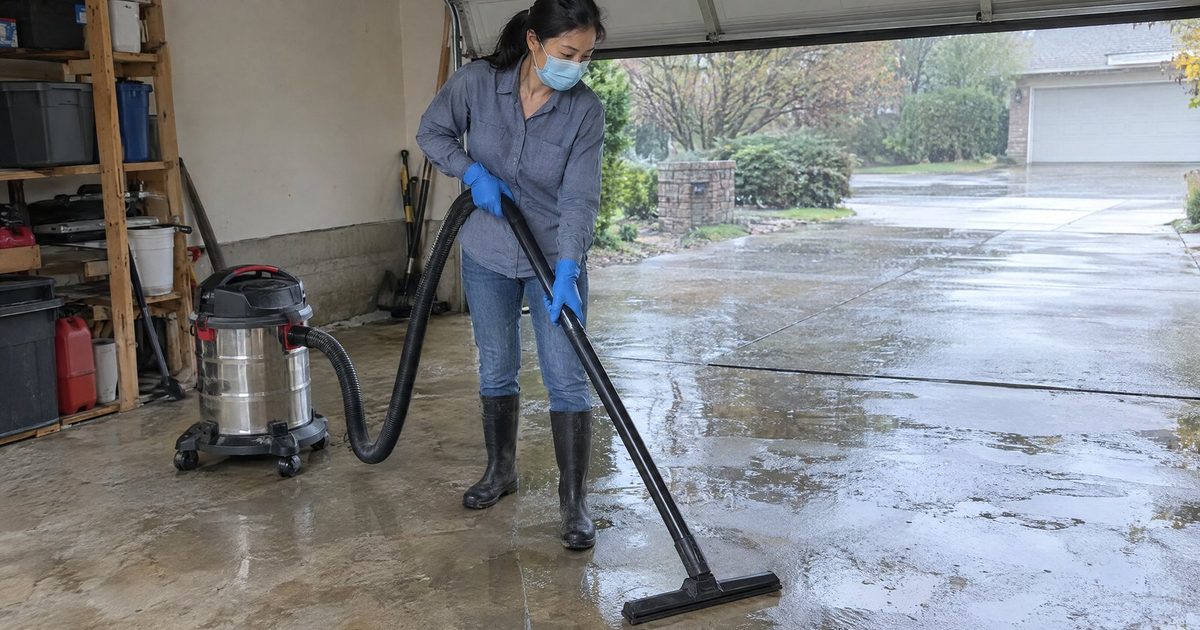
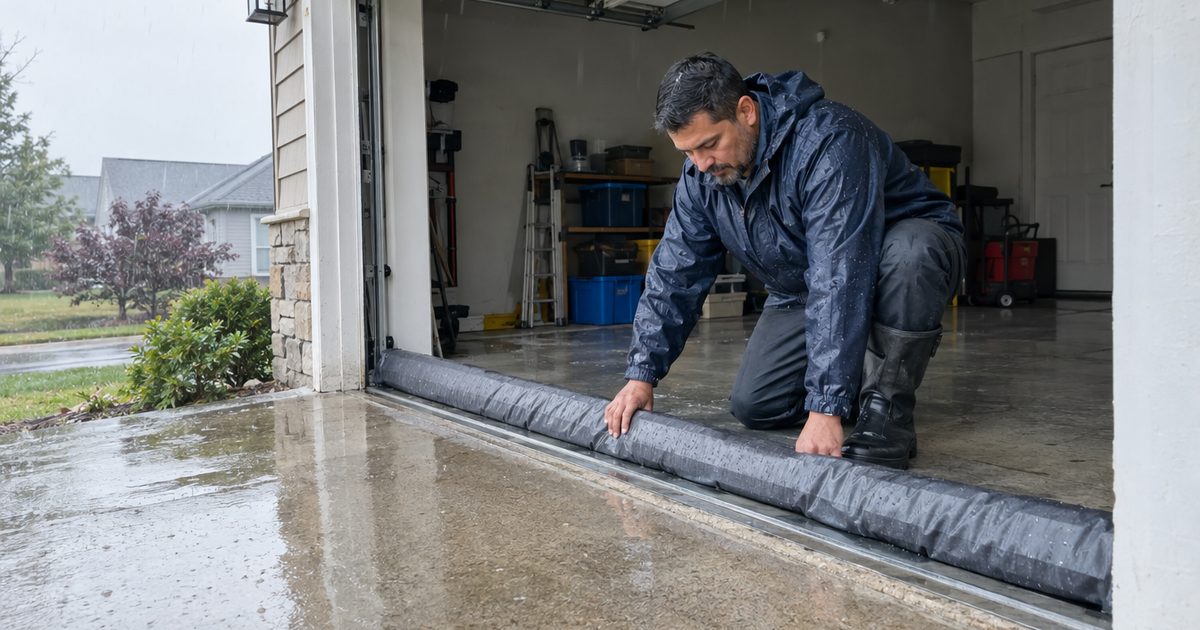
This is the whole game, so it comes first. Mold spores are always present in the air; they only become a problem when they land on something wet and stay wet. Any area that gets soaked — from a leak, a flood, or even high condensation — must be thoroughly dried within one to two days. After any water intrusion, move fast: extract standing water, pull up soaked materials, and get air moving immediately. Speed here prevents the problem entirely.
Run dehumidifiers and fans
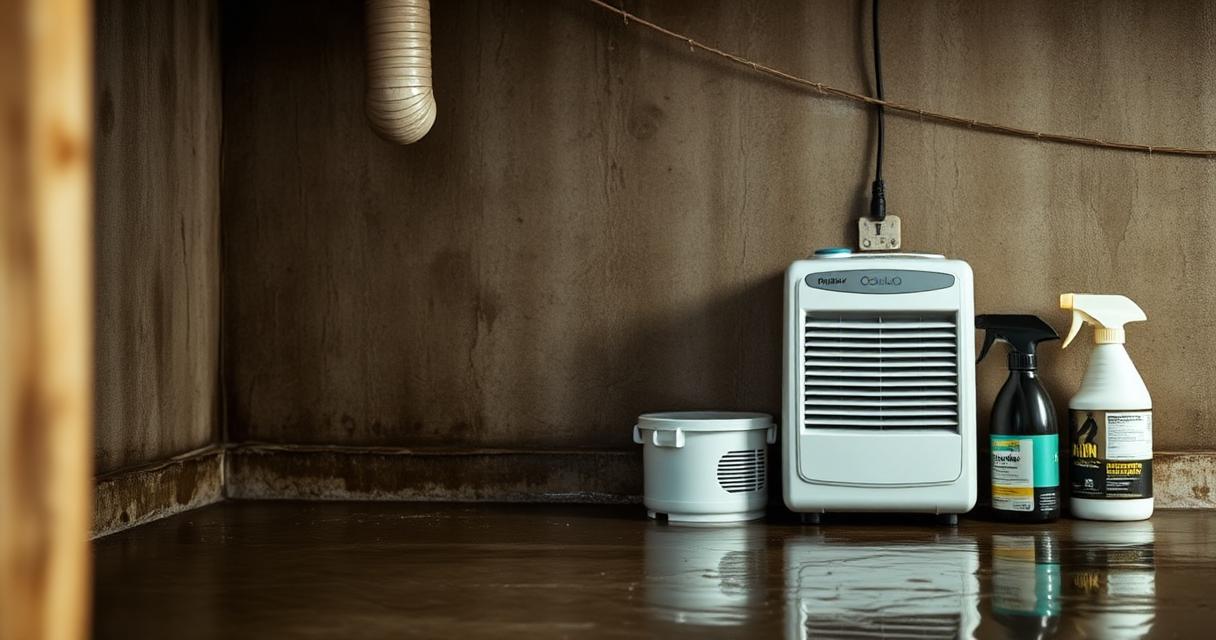
Airflow and moisture removal are your two main weapons. Run fans to circulate air across damp surfaces and a dehumidifier to pull water out of both the air and the materials around it. In a humid basement or after a leak, a dehumidifier running continuously can be the difference between drying out and growing mold. Empty the reservoir regularly or run a drain hose so it never backs up.
Keep indoor humidity below 50 percent
Mold thrives in humid air, so denying it that humidity is a powerful prevention. Aim to keep indoor relative humidity under 50 percent — ideally between 30 and 50. A cheap hygrometer (humidity gauge) lets you actually monitor it rather than guess. Pay special attention to the usual problem zones: basements, bathrooms, laundry areas, and any room that feels damp or smells musty. Use exhaust fans when showering or cooking, and vent dryers to the outside.
Fix leaks the moment you find them
A small, ongoing leak — a dripping pipe, a worn roof flashing, a cracked window seal — feeds mold continuously and invisibly, often inside walls where you can't see it until it's a major problem. Treat any water stain, drip, peeling paint, or persistent musty smell as a signal to investigate and fix immediately. The faster you cut off the moisture source, the less chance mold has to establish.
Improve ventilation throughout the home
Stagnant, damp air is mold's preferred environment. Improve airflow by using ceiling and exhaust fans, opening windows on dry days, keeping furniture slightly away from exterior walls so air can circulate behind it, and ensuring your HVAC system is working and its filters are clean. Good ventilation makes the whole house less hospitable to mold.
Clean small areas correctly
For small patches of mold — under about ten square feet — on hard, non-porous surfaces like tile, glass, or sealed countertops, scrub with detergent and water, then dry the area completely. Wear gloves and a mask, and ventilate the space while you work. Drying afterward is just as important as the scrubbing, because leftover moisture invites the mold right back.
Know what to throw away
This is where people go wrong trying to save money. Porous materials that have been soaked — carpet and padding, drywall, ceiling tiles, insulation, and upholstered furniture — usually cannot be salvaged, because mold grows deep inside them where surface cleaning can't reach. When these have been thoroughly wet for more than a day or two, the safe choice is to remove and replace them rather than risk hidden, ongoing growth.
After a flood, treat it as contaminated
Mold from ordinary rain leaks is one thing; mold after a flood is another, because floodwater is often contaminated with sewage, chemicals, and bacteria. After any flooding, wear protective gloves, an N95 mask, and eye protection during cleanup, and be far more willing to discard soaked porous materials rather than try to save them. Disinfect hard surfaces after cleaning, ventilate aggressively while you work, and keep children and anyone with respiratory issues out of the affected area until it's fully cleaned and dried. When floodwater is involved, lean toward caution — the health risks are higher than with a simple leak.
Frequently asked questions
How fast does mold grow after water damage?
Mold can begin growing within 24 to 48 hours of moisture exposure under the right conditions. That's why drying wet areas immediately — rather than letting them sit even for a day or two — is the single most important step in preventing it.
Does bleach actually kill mold?
Bleach can disinfect hard, non-porous surfaces, but it doesn't reach mold growing inside porous materials like drywall, wood, and carpet, where the roots survive and regrow. For those materials, physical removal is more reliable than any surface spray. Detergent and water plus thorough drying works well for small surface areas.
When should I call a professional?
Bring in a mold remediation professional for any growth larger than about ten square feet, mold inside walls or your HVAC system, contamination from sewage or floodwater, or if anyone in the home is experiencing health symptoms. Large or hidden mold problems need proper containment and equipment.
What are the health risks of household mold?
Mold exposure can trigger allergic reactions, nasal congestion, coughing, eye and skin irritation, and asthma attacks, with greater risks for infants, the elderly, and people with respiratory conditions or weakened immune systems. Prompt cleanup and moisture control protect everyone in the household.
How do I tell if I have a hidden mold problem?
A persistent musty or earthy smell is often the first clue, even when you can't see growth. Other signs include unexplained allergy-like symptoms that improve when you leave the house, water stains, warping, or peeling paint. If you suspect hidden mold inside walls, a professional inspection can confirm it.