When floodwater starts rising, you may have only minutes to leave — not nearly enough time to gather supplies from around the house. A pre-packed flood kit solves that: you grab one bag and go. The goal is a self-contained kit that keeps your household safe for at least 72 hours, stored somewhere high and easy to reach on the way out the door. Build it once, check it twice a year, and you'll never scramble during the worst possible moment. This is a core piece of your El Niño flood preparedness checklist.
Water and a way to purify more
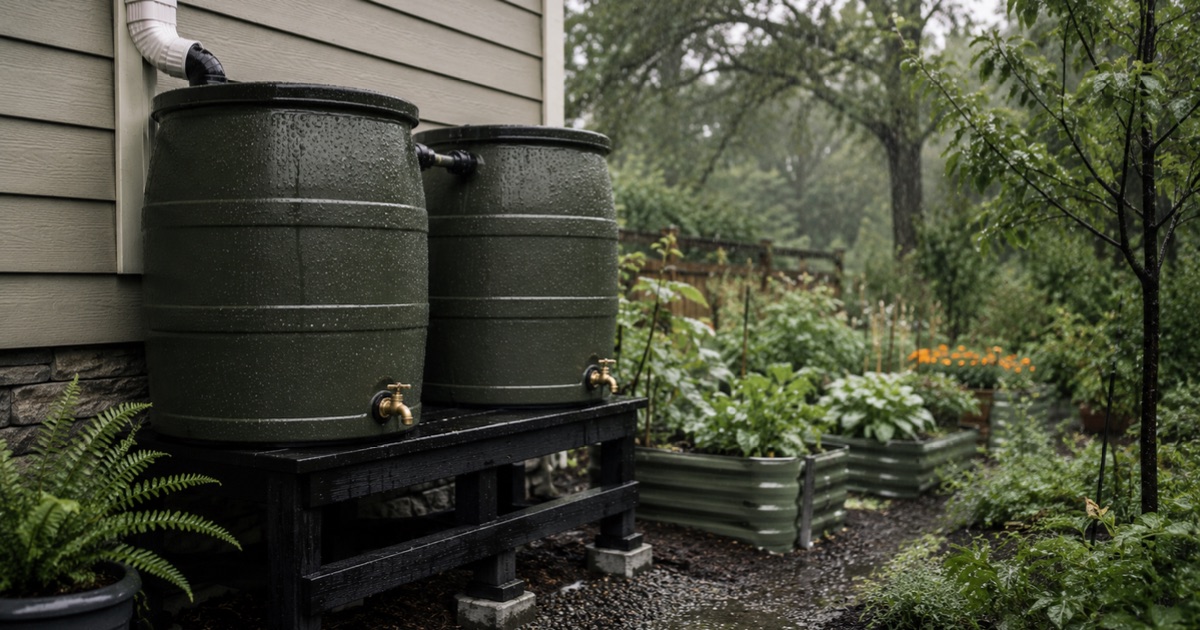
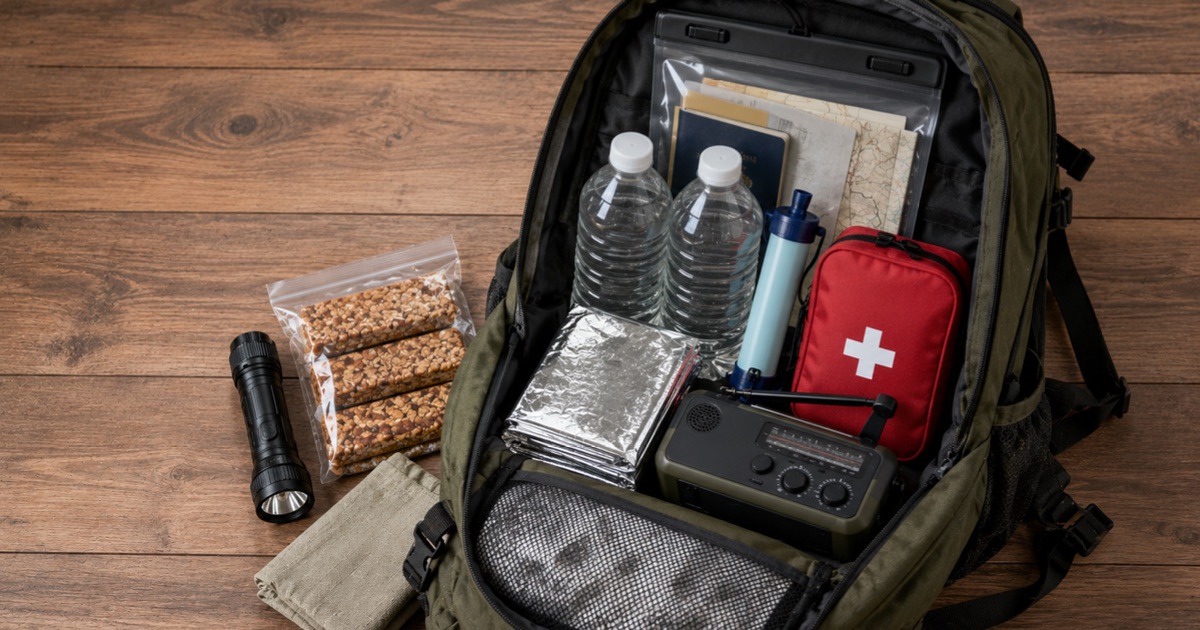
Pack at least three days of drinking water per person — about a gallon per person per day — in your grab kit, and keep a larger supply stored at home in containers like the aqua-tainer. Critically, include a sawyer-squeeze filter, because floods routinely contaminate municipal water supplies for days. Stored water runs out; a filter lets you make questionable water safe when it does. For the full water math, see how much water to store.
Food that needs no cooking
Outages mean no stove, so your kit food should require zero preparation: energy and protein bars, peanut butter, nut packs, crackers, canned goods, and dried fruit. Include a manual can opener — an electric one is dead weight in an outage. Three days' worth per person is the target for the grab bag.
Power, light, and information
Pack a tactical-flashlight and plenty of spare batteries. Skip candles entirely — open flame combined with possible gas leaks after a flood is a serious fire risk. Add a battery or hand-crank noaa-radio so you get weather alerts and emergency information when cell networks are overloaded or down. A small backup power bank for your phone rounds it out.
First aid and medications
Include a stocked first-aid-only-326 kit and, just as important, a few days' supply of any prescription medications plus written copies of the prescriptions themselves. In a flood, pharmacies close and records become hard to access, so carrying your own is essential.
Warmth and dry clothing
Floodwater is cold, and getting soaked is genuinely dangerous — hypothermia is a risk even in mild weather when you're wet. Pack mylar-blankets for everyone, a full change of clothes sealed in a waterproof bag, and sturdy waterproof boots. Staying dry is half of staying safe.
Documents, cash, and the little things
Put copies or photos of ID, insurance policies, deeds, and medical records in a waterproof bag. Add emergency cash in small bills, because card readers and ATMs fail when the power does. Round out the kit with a multi-tool, a whistle, hand sanitizer, and any baby, pet, or specialty supplies your household needs.
Where and how to store it
Store the kit somewhere high and grab-ready — an upper shelf, a hall closet near the exit, or upstairs. A kit in the basement is the first thing floodwater reaches, which defeats the purpose. Review it twice a year: rotate water and food, test the flashlight and radio, refresh medications, and update document copies if anything has changed.
Keep smaller versions in your car and at work
Floods don't wait until you're home. Build two scaled-down kits to cover where you actually spend your days. A car kit should hold water, a few no-cook snacks, a flashlight, a mylar-blankets or two, a phone charger, sturdy shoes, and a small first aid kit — enough to keep you safe if you're stranded or have to abandon the vehicle on high ground. A work or backpack kit can be minimal: water, a snack, a flashlight, any personal medication, and a copy of your emergency contact card. Together with your main home kit, these mean you're never caught completely empty-handed no matter where the storm finds you.
Frequently asked questions
Where should I store my flood kit?
Somewhere high and easy to reach on the way out — an upper shelf, an entry closet, or an upstairs room. Storing it in the basement or a low cabinet means floodwater reaches it first, exactly when you need it most.
How is a flood kit different from a regular emergency kit?
The core overlaps with any 72-hour kit, but a flood kit puts extra emphasis on waterproofing (dry bags for documents and clothes), water purification (since flooding contaminates supplies), and fast grab-and-go portability for sudden evacuation.
How often should I check and refresh it?
Twice a year is the standard. Rotate the water and food before they expire, test the flashlight and radio, replace any used or expired medications, and update your document copies if your insurance or contacts have changed.
How much does a flood kit cost to build?
You can assemble a solid one for a modest amount, and you likely own much of it already. Spread purchases across a few shopping trips, and prioritize the water filter, the radio, and waterproof document storage first.
Should every family member have their own kit?
A central household kit covers most needs, but it's smart to give each person a small personal version — water, a snack, a flashlight, and any personal medication — especially for anyone who might be separated from the group during an evacuation.
Should I have a kit if I live in an apartment?
Yes. Apartment dwellers face the same outage and evacuation risks, and upper-floor units can still lose power, water, and elevator access. A compact grab-and-go kit with water, no-cook food, a flashlight, a radio, medications, and documents is just as valuable in an apartment as in a house — and easy to store in a closet.
Can one kit serve a whole family?
A central household kit covers shared essentials, but scale the quantities to your family size and add personal items for each member — especially medications, and supplies for infants, elderly relatives, or anyone with special needs. Giving each person a small personal kit too is smart in case you're separated.