Flooding is the most common and most costly natural disaster in the United States, and El Niño 2026 stacks the odds toward a wet, stormy winter across much of the country — especially the southern tier. The frightening thing about floods is how fast they arrive. Just six inches of moving water is dangerous, and a flash flood can develop in under an hour during heavy rain. That speed is exactly why the work has to happen before any storm is in the forecast, not during it. This checklist is part of our larger El Niño preparation guide; work through it now, while you have time.
1. Know your flood zone and your routes
Start with the map. Look up your address on FEMA's flood map service to learn whether you sit in a designated flood zone and how serious the risk is. Then plan two evacuation routes to higher ground — your usual road may be the first one underwater, and you don't want to be figuring out an alternate while water is rising. Walk or drive both routes once so they're familiar in the dark.
2. Stage sandbags before you need them
Sandbags redirect shallow water and protect low entry points like doorways, garage doors, and basement windows. The catch: stores sell out the moment a storm is forecast. Get bags and sand now, and learn to build a barrier that actually holds in our sandbagging 101 guide — most people stack them wrong and the water walks right through.
3. Elevate valuables and electronics
Move irreplaceable items, electronics, and important paperwork off the floor and out of the basement. In a flood-prone home, get your furnace, water heater, and washer/dryer onto raised platforms. The goal is simple: an inch of water shouldn't destroy your most expensive or most sentimental belongings.
4. Clear gutters and storm drains
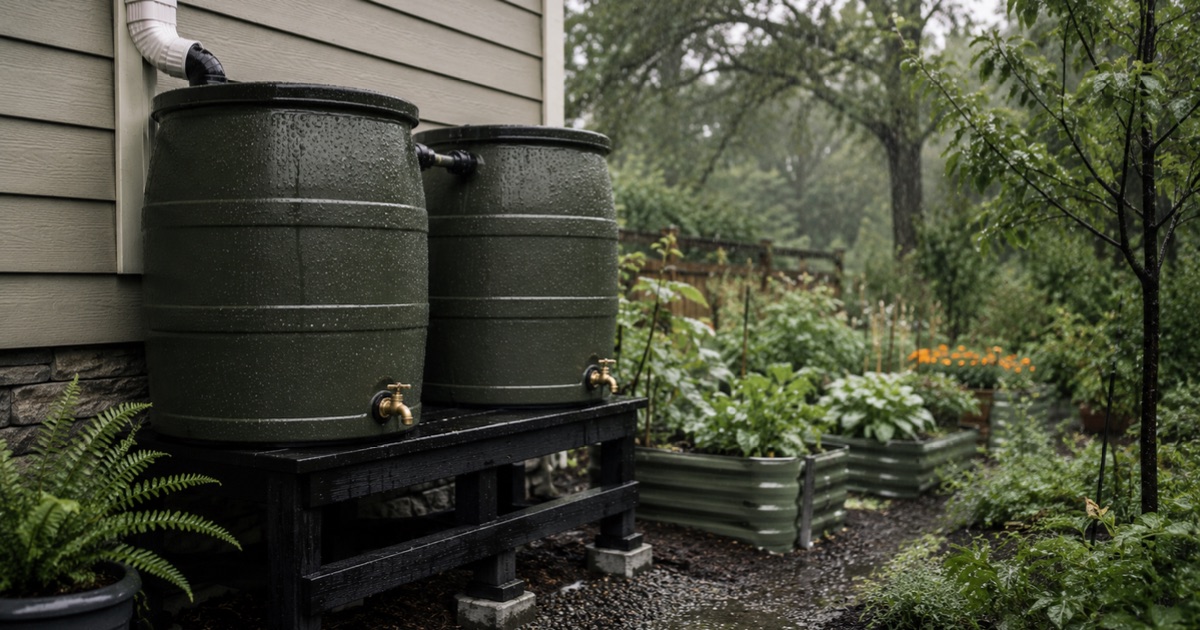
This is the most overlooked step and one of the most important. Clogged gutters, downspouts, and storm drains cause an enormous share of avoidable home flooding because water has nowhere to go but against your foundation. Clear them out, and confirm downspouts carry water at least six feet away from the house. It's free, and it works.
5. Stage emergency water and supplies
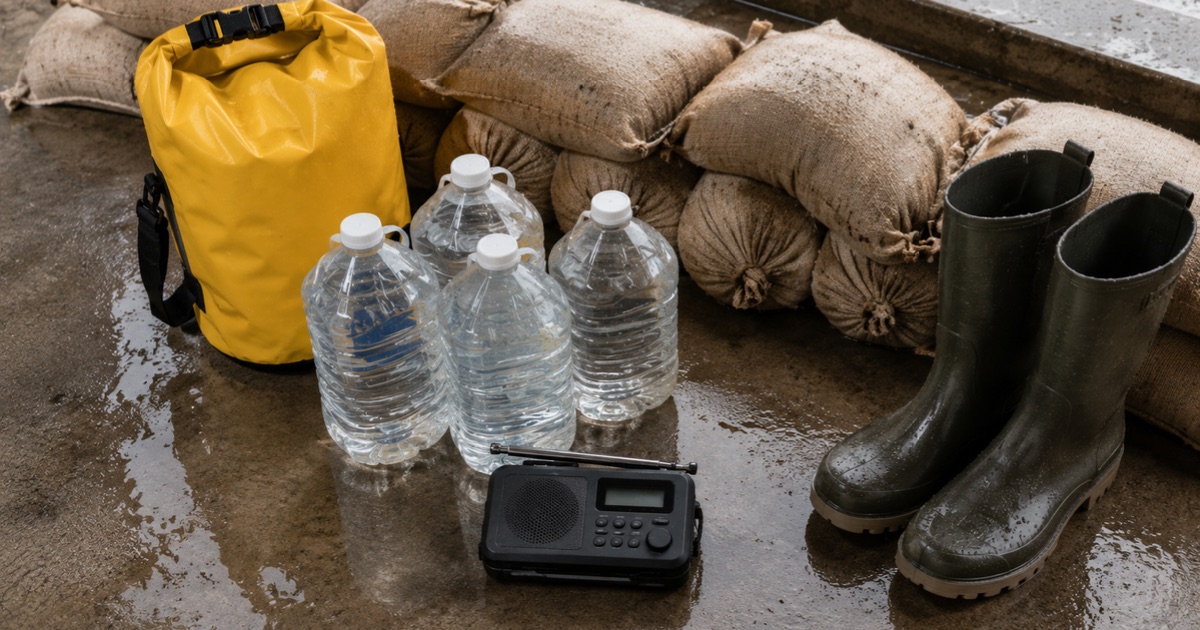
Floods routinely contaminate municipal water for days, so paradoxically, a flood can leave you with no safe water. Keep stored water in food-grade containers like the aqua-tainer, and keep a sawyer-squeeze filter as backup for when stored water runs out. Pack mylar-blankets in your kit, since floodwater is cold and getting soaked is a real danger.
6. Prepare your sump pump and backup power
If you have a basement, your sump pump is your last line of defense — and the storm that floods your basement is the same storm that cuts the power your pump runs on. Test it now, add a battery backup, and read sump pump and backup power for the full setup.
7. Sign up for alerts and waterproof your documents
Enable wireless emergency alerts on your phone and your county's local alert system, and keep a battery noaa-radio for warnings when networks fail. Finally, put copies of ID, insurance policies, and medical records in a waterproof bag — these are what you'll need most and lose most easily.
A note on flood insurance
This one surprises people every season: standard homeowners insurance does not cover flooding. You need a separate flood policy, typically through the NFIP or a private insurer, and most policies have a 30-day waiting period before coverage begins. If you're in any kind of flood risk, buy it well before the season, not when rain is in the forecast.
What to do as a flood actually approaches
The checklist above is your before-the-season work. When a specific flood threat appears in the forecast, shift into action. Days out: top off fuel and water, charge every device and power station, move vehicles to higher ground, and review your evacuation routes. Hours out: bring in or secure outdoor items, place your sandbags at the low entry points, move valuables and electronics upstairs or to high shelves, and put your important documents in their waterproof bag by the door with your flood kit. If an evacuation order comes: leave immediately — do not wait to see how bad it gets, and never drive through water on the way out. Knowing this sequence in advance means you act calmly and quickly instead of freezing when the warning actually arrives.
Frequently asked questions
How much warning will I get before a flood?
It varies enormously — sometimes days for river flooding, sometimes minutes for a flash flood during heavy El Niño rain. Because you can't count on warning time, preparation and enabled alerts matter far more than your ability to react in the moment.
Does homeowners insurance cover flood damage?
No. Standard policies specifically exclude flooding. You need separate flood insurance, and because most policies carry a 30-day waiting period, you have to buy it before the threat arrives, not after.
What's the most overlooked flood prep step?
Clearing drainage. Gutters, downspouts, and storm drains clogged with leaves and debris cause far more residential flooding than people realize, and clearing them costs nothing but an afternoon.
Is it safe to stay home during a flood warning?
If authorities issue an evacuation order, leave — do not wait to see how bad it gets. If you're under a watch but no order, monitor alerts closely, move valuables up, and be ready to go at a moment's notice. Never drive or walk through floodwater to get out.
How do I protect my car from flooding?
Park on the highest ground available, well away from low spots, drainage ditches, and underpasses. If serious flooding is forecast, moving your vehicle to higher elevation in advance can save you a total loss.
How do I know when to evacuate versus shelter in place?
Follow official guidance above all. If authorities issue an evacuation order, leave immediately — that order means staying is dangerous. If you're under a flood watch or warning without an evacuation order, monitor alerts closely, move valuables up, and be ready to go at a moment's notice. When in doubt and your area is flooding, higher ground is always the safer choice.
What's the first thing to grab if I have to leave fast?
Your people and pets first, then your pre-packed flood kit with water, medications, and documents. Because you assembled the kit in advance and stored it by an exit, "grabbing what matters" becomes one motion instead of a frantic search — which is the entire point of preparing it ahead of time.
How far in advance should I prepare for flood season?
Ideally weeks to months ahead. Sandbags, flood insurance (with its 30-day waiting period), drainage fixes, and a sump pump backup all need to be in place before any storm is forecast. The before-the-season work is what makes the as-it-approaches actions possible, so earlier is always better.