A wet, mild El Niño winter is a double-edged sword for gardeners. On one hand, the extra rain and gentler temperatures can produce a wonderfully productive cool-season garden. On the other, those same conditions can drown roots, wash out beds, and breed fungal disease that wipes out your plants. The deciding factor between those two outcomes is almost entirely drainage and preparation. Get your beds ready before the rains settle in, and you can turn El Niño's moisture into an asset. Here's how to El Niño-proof your garden. This connects to what to plant during El Niño and our overall prep guide.
Build raised beds for drainage
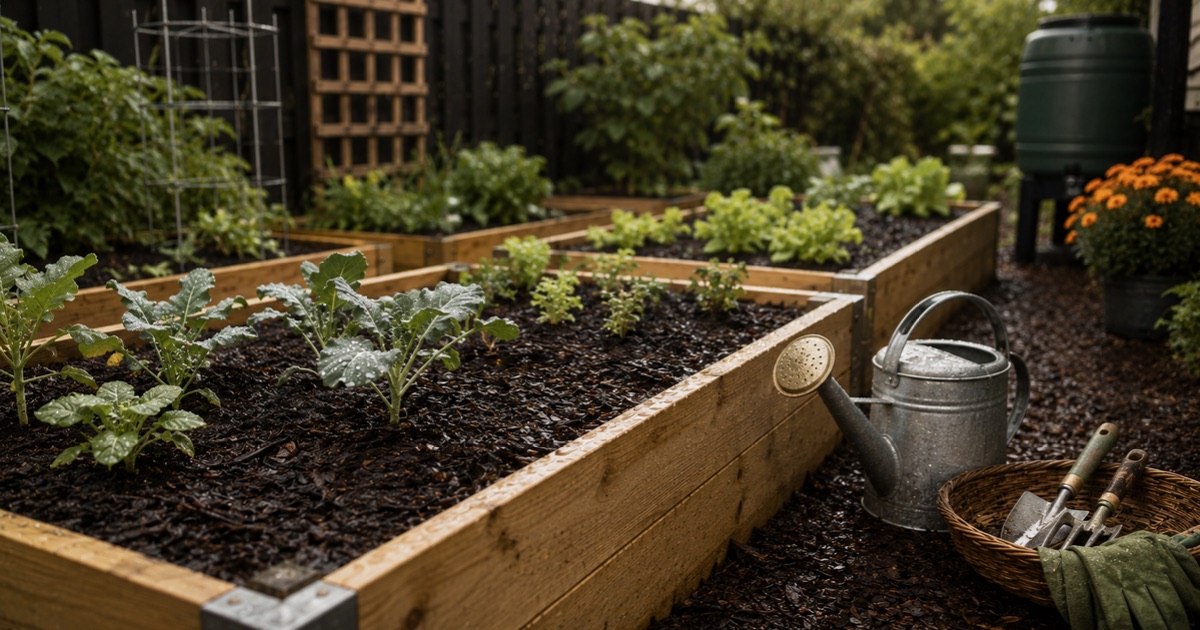
The most effective single change you can make is to garden in raised beds. They drain far better than in-ground plots, keeping roots up out of waterlogged soil even during heavy, sustained rain. If you've struggled with soggy ground before, raised beds — even just six to twelve inches high — are your best defense against the drowned roots that a wet El Niño winter can cause. They also warm faster and are easier to manage.
Add compost and improve soil structure
Healthy soil with good structure both drains well and holds the right amount of moisture. Work in plenty of compost to improve aeration and drainage, and if your soil is heavy clay that holds water like a bathtub, amend it with compost and coarse grit to help water move through instead of pooling around roots. Waterlogged roots can't breathe and quickly rot, so soil that drains is the foundation of a wet-season garden.
Mulch to protect the soil surface
A good layer of mulch does several jobs at once during a rainy season: it shields the soil from the compacting, eroding force of heavy rain, suppresses weeds, moderates soil temperature, and helps prevent the splashing that spreads soil-borne disease onto your plants. Straw, shredded leaves, or wood chips all work. Just keep mulch pulled back slightly from plant stems to avoid trapping moisture against them.
Plant cover crops on resting beds
For beds you aren't actively growing in over winter, cover crops like clover, rye, or vetch protect bare soil from the erosion and compaction that heavy rain causes, while their roots hold the soil together. When you turn them under in spring, they enrich the soil with organic matter. Bare soil left exposed to El Niño rain compacts and erodes, so keeping it covered — whether with a cover crop or mulch — pays off.
Protect tender and container plants
Frost-sensitive plants and anything in containers need extra care through a wet, occasionally cold El Niño winter. Move containers under an overhang, into a cold frame, or against a sheltered wall to protect them from relentless rain and the occasional cold snap. Raise pots on feet or blocks so they drain freely rather than sitting in collected water, which quickly rots roots in confined containers.
Stay ahead of fungal disease
Damp, mild conditions are exactly what fungal diseases love, so prevention matters more than usual. Space plants adequately for good airflow, water at the base rather than overhead so foliage stays dry, remove diseased or fallen leaves promptly rather than letting them sit, and clean your tools between plants. Catching and removing affected foliage early keeps a small problem from spreading through the whole bed.
Manage your watering — less is often more
It sounds obvious, but in a wet winter many gardeners overwater out of habit and rot their plants. Check soil moisture before watering — if it's already damp a couple inches down, skip it — and let the rain do the work. Make sure beds aren't sitting in a low spot where runoff collects, and redirect downspouts away from planting areas.
Don't forget pathways, tools, and structures
A wet-season garden is more than its beds. Mulch or add gravel to your pathways so they don't turn into mud pits you can't walk through to tend plants. Store and clean your tools so they don't rust in the damp, and disinfect pruners between plants to avoid spreading disease. Check that trellises, stakes, and supports are solid enough to handle wind-driven rain and the weight of wet foliage. And make sure any cold frames or row covers you'll need are repaired and ready before the weather turns. These small bits of upkeep keep the whole garden workable through a soggy season.
Frequently asked questions
Is El Niño good or bad for my garden?
It can be either, depending on your drainage. The extra rain and mild temperatures are excellent for cool-season crops, but poorly drained beds become waterlogged and rot roots. Prepare for drainage — raised beds, amended soil, mulch — and you can take full advantage of the conditions.
How do I stop my garden from getting waterlogged?
Garden in raised beds, amend heavy clay soil with compost and coarse grit, mulch the surface to prevent compaction, keep containers elevated so they drain, and make sure beds aren't located in a low spot where water naturally collects. Redirecting downspouts away from beds helps too.
Should I still water during a wet El Niño winter?
Usually much less, and sometimes not at all. Overwatering on top of heavy rain is a leading cause of root rot. Check soil moisture a couple inches down before watering, and if it's still damp, let the rain handle it. Water only when the soil has genuinely begun to dry.
What can I do with bare garden beds over winter?
Cover them — either with a cover crop like clover or rye, or with a thick layer of mulch. Bare soil exposed to heavy El Niño rain erodes and compacts, while a cover crop protects the soil and enriches it when turned under in spring.
How do I prevent plant diseases in a wet season?
Improve airflow by spacing plants properly, water at the base rather than wetting the leaves, remove diseased and fallen foliage promptly, mulch to stop soil from splashing onto plants, and clean your tools between uses. Good airflow and dry foliage are your best defenses against fungal problems.