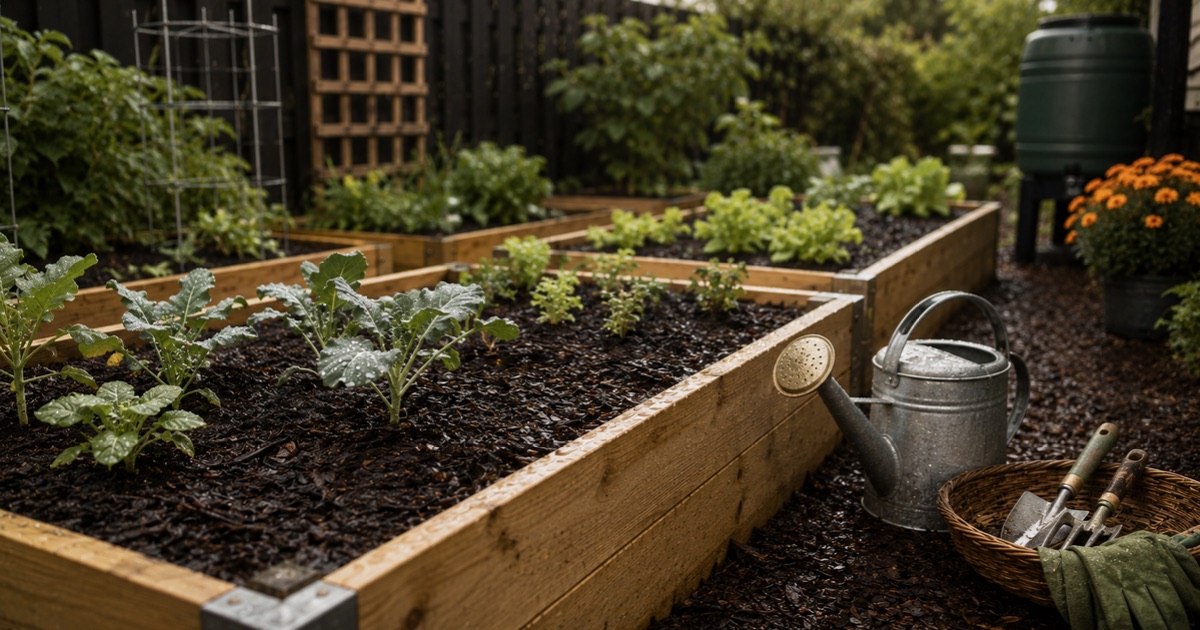
A mild, rainy El Niño winter is close to ideal for cool-season vegetables — the hardy crops that actually prefer cooler temperatures and steady moisture over summer heat. If you're prepping your garden for the season and want to grow some genuine food security alongside your stored supplies, these are the plants to put in the ground. They thrive in exactly the conditions El Niño tends to deliver, and many will keep producing right through the cool months. Before planting, make sure your beds are ready with our El Niño garden prep guide, because good drainage is what keeps all of these healthy in the rain.
Kale
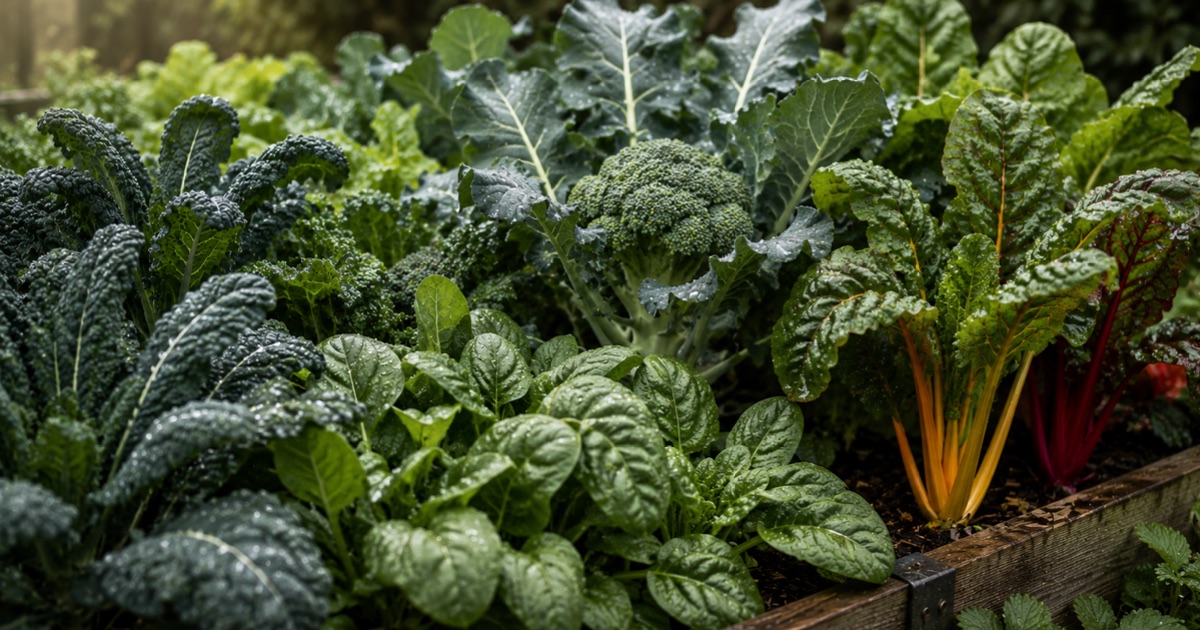
Kale is the workhorse of the cool-season garden: hardy, deeply nutritious, and genuinely happiest in cool, damp weather. It shrugs off light frost — which can even sweeten its flavor — and keeps producing leaves for harvest over a long stretch. Pick outer leaves as you need them and the plant keeps growing, making it one of the most productive and forgiving crops you can grow.
Garlic
Garlic is the ultimate plant-it-and-forget-it crop for the patient gardener. Plant individual cloves in the fall, and the cool, moist winter helps them establish strong roots and form large, healthy bulbs ready to harvest the following summer. It needs almost no attention through the season, asks little of you, and rewards you with a long-storing, high-value harvest.
Spinach
Fast-growing and built for cool, moist conditions, spinach gives you quick, repeated harvests through the cooler months. It can bolt and turn bitter in heat, which is exactly why a cool El Niño winter suits it so well. Sow it in succession every few weeks for a continuous supply of tender leaves.
Broccoli
Broccoli loves cool temperatures and steady moisture — precisely what El Niño provides. Cool conditions keep the heads tight, firm, and sweet rather than loose and bitter. After you harvest the main head, many varieties continue producing smaller side shoots for weeks, extending your harvest well beyond the first cutting.
Peas
Peas are a classic cool-season climber that produces sweet, tender pods in mild weather and resents summer heat. Give them a trellis or support to climb, and they'll thrive in the cool, rainy conditions. As a bonus, like all legumes they help fix nitrogen in your soil, benefiting whatever you plant next.
Carrots
Carrots develop their sweetest, crispest roots in cool, moist soil, and cool weather actually improves their flavor as the plant converts starches to sugars. They do need loose, well-drained soil to grow straight and avoid rot in wet conditions, so this is another crop that rewards good bed preparation.
Onions
Cool weather helps onion bulbs form strong, well-developed, and flavorful. Plant sets or starts in the appropriate window for your region and let the season do most of the work. Onions are low-maintenance, store well after harvest, and are a kitchen staple worth growing in quantity.
Swiss chard
Colorful, productive, and notably tolerant of wet soil, Swiss chard is one of the easiest greens to grow through a cool, rainy season. It keeps cranking out leaves over a long harvest window with very little fuss, and its bright stems add some welcome color to a gray winter garden. Like kale, harvesting outer leaves keeps it producing.
A few more cool-season options
Beyond the staples above, several other crops thrive in cool, damp El Niño conditions and add welcome variety. Lettuce and other salad greens grow quickly and prefer the cool weather. Radishes are among the fastest crops you can grow, ready in weeks. Cabbage is hardy and stores well after harvest. Turnips and beets give you both edible roots and nutritious greens from a single planting. Cilantro and parsley are cool-season herbs that bolt in heat but flourish now. Mixing a few of these in with your kale, carrots, and alliums gives you a fuller, more interesting harvest across the cool months.
Frequently asked questions
Can I really garden through an El Niño winter?
In much of the country, yes. Cool-season crops actively prefer these cooler, wetter conditions, and El Niño's milder temperatures can extend your growing season at both ends. The key requirement is well-draining beds, since the extra rain is only a problem when water can't escape.
Do these crops need protection from heavy rain?
They tolerate rain well but not standing water around their roots. Raised beds, good drainage, and the occasional row cover during the heaviest storms keep them healthy. Most cool-season crops are far more bothered by waterlogged soil than by the rain itself.
When should I plant cool-season crops?
Generally in fall for winter and early-spring harvests, though exact timing depends heavily on your region and local frost dates. Check your area's planting calendar and put hardy greens, roots, and alliums in as temperatures begin to cool. Garlic in particular is a fall planting for summer harvest.
Which of these is easiest for a beginner?
Kale, Swiss chard, and garlic are about as forgiving as vegetables get. Kale and chard keep producing as you harvest outer leaves and tolerate imperfect conditions, while garlic asks almost nothing of you between fall planting and summer harvest. All three are great confidence-builders.
Do I need a greenhouse to grow in winter?
No. These are outdoor cool-season crops that handle cool, damp weather and light frost on their own. A simple row cover or cold frame can extend your season and protect against hard freezes, but it isn't required for most cool-season vegetables in most regions.