Every time a big storm knocks out power, emergency rooms see the same thing: families poisoned by carbon monoxide from a generator in the garage, a grill brought indoors, or an oven left on for heat. According to the CDC, more than 400 people in the U.S. die from accidental carbon monoxide poisoning each year, and many more end up in the hospital. Outages are one of the riskiest times of all.
The good news is that almost every one of those cases is preventable. Here's what carbon monoxide is, the mistakes that cause poisonings, and exactly how to protect your household.
What Carbon Monoxide Is
Carbon monoxide, or CO, is a gas made whenever fuel burns: gasoline, propane, charcoal, natural gas, wood, or kerosene. You can't see it, smell it, or taste it. That's what makes it so dangerous. People often fall asleep and never wake up, with no idea anything was wrong.
The Mistakes That Cause Most Outage Poisonings
- Running a generator in a garage, basement, or porch, or too close to a window, door, or vent. Even with the garage door open, CO can build to deadly levels.
- Using a charcoal or gas grill indoors for cooking or heat.
- Using a gas oven or stovetop to heat the house.
- Using a camp stove or propane heater indoors that isn't rated for indoor use.
- Running a car in an attached garage to charge a phone or warm up.
The Rules That Keep You Safe
- Generators go outside, at least 20 feet from the house, with the exhaust pointed away from windows, doors, and vents. Never run one in a garage, carport, or under a window.
- Grills and camp stoves are outdoor-only. No exceptions, no matter how cold it gets.
- Never heat your home with an oven or stovetop.
- Only use heaters labeled for indoor use, and follow the instructions exactly.
- Charge phones from a battery, not the car, or run the car only outdoors.
If you need power indoors, a battery power station like the Jackery Explorer 1000 v2 Power Station makes no fumes at all and is safe to run inside. Our Power Outage Essentials for El Niño Storm Season covers safer backup power options.
Get the Right CO Alarms
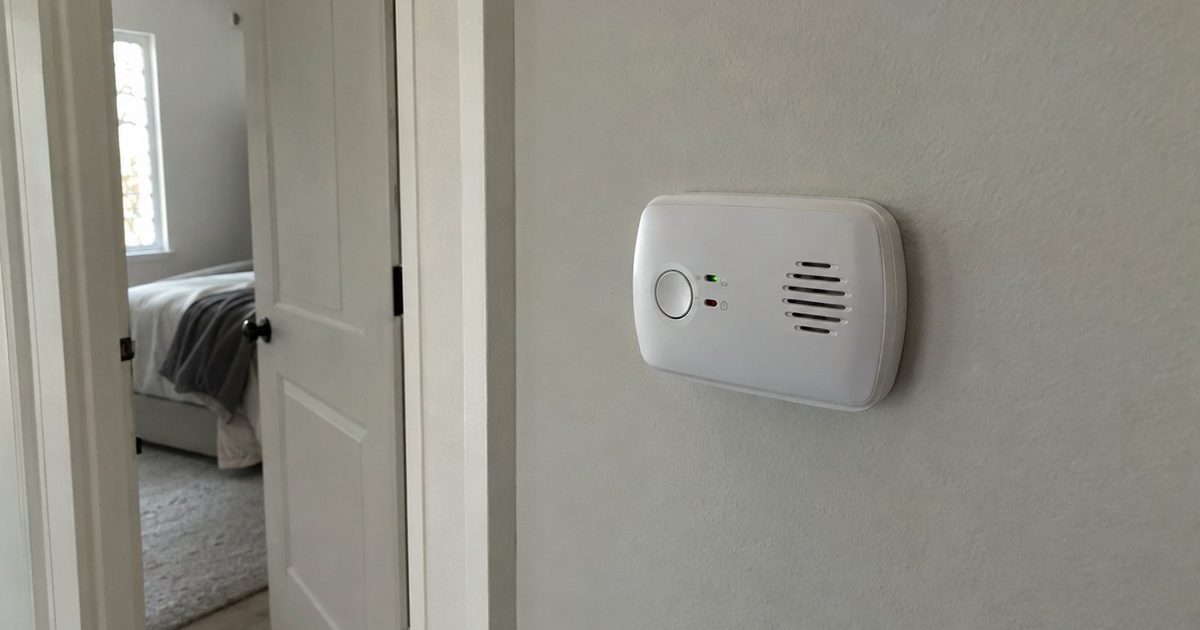
A CO alarm is the only way to know the gas is building up. During an outage, you need one that works without wall power.
- Choose battery-powered or battery-backup alarms. Plug-in-only alarms stop working when the power goes out. Good options include the Kidde Battery-Powered CO Detector and the First Alert Battery CO Alarm.
- Put one on every level of your home, including the basement.
- Put one outside every sleeping area, so the alarm wakes people up.
- Test them monthly and replace the batteries at least once a year.
- Replace the alarm itself when it reaches the end of its life, usually after 5 to 10 years. Check the date on the back.
Know the Warning Signs
CO poisoning often feels like the flu, which is why people miss it. Watch for:
- Headache
- Dizziness or weakness
- Upset stomach or vomiting
- Chest pain
- Confusion
A big clue: if several people in the home feel sick at the same time, or everyone feels better after going outside, suspect carbon monoxide. People who are sleeping or have been drinking can die before they ever notice symptoms.
What to Do If the Alarm Goes Off
- Get everyone outside into fresh air right away, including pets.
- Call 911 from outside.
- Don't go back in until emergency responders say it's safe.
- Get medical care for anyone with symptoms, even if they feel better outside.
Don't ignore an alarm or assume it's broken. Open windows aren't enough. Get out first.
Don't Forget Your Home's Vents
Carbon monoxide isn't only a generator problem. Your furnace, gas water heater, dryer, and fireplace all vent fumes outside, and storms can block those vents. After a winter storm, check that snow, ice, or storm debris isn't covering any exhaust vents on the outside of your house. If you use a fireplace or wood stove for heat, make sure the flue is open and the chimney has been inspected. And have your furnace checked once a year by a professional, ideally before the cold season starts.
Staying Warm Safely Without Power
Cold outages are when people take the biggest risks with heat. Safer options include layering clothes, using sleeping bags and blankets, and closing off one room to keep everyone warm together. Our guide to staying warm in a winter outage covers safe heat in detail, and our El Niño winter storm prep guide helps you get ready before the cold arrives.
Frequently Asked Questions
How far should a generator be from my house?
At least 20 feet, with the exhaust pointed away from windows, doors, and vents. Never run a generator in a garage, basement, or carport, even with the doors open.
Will a regular CO alarm work during a power outage?
Only if it has battery power. Choose a battery-powered or battery-backup alarm so it keeps working when the power goes out.
What are the first signs of carbon monoxide poisoning?
Headache, dizziness, weakness, nausea, chest pain, and confusion. If several people feel sick at once, or feel better outside, suspect CO and get everyone into fresh air.
Can I use my gas stove to heat my house during an outage?
No. Gas ovens and stovetops aren't made for heating and can produce dangerous levels of carbon monoxide. Use layers, blankets, and indoor-rated heaters instead.