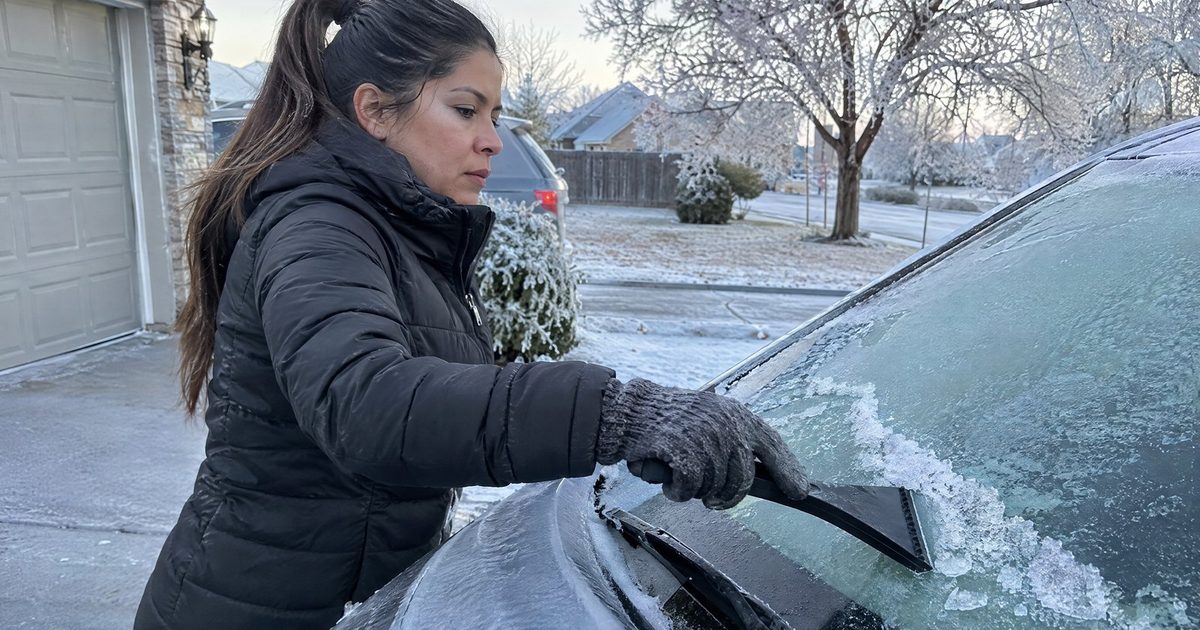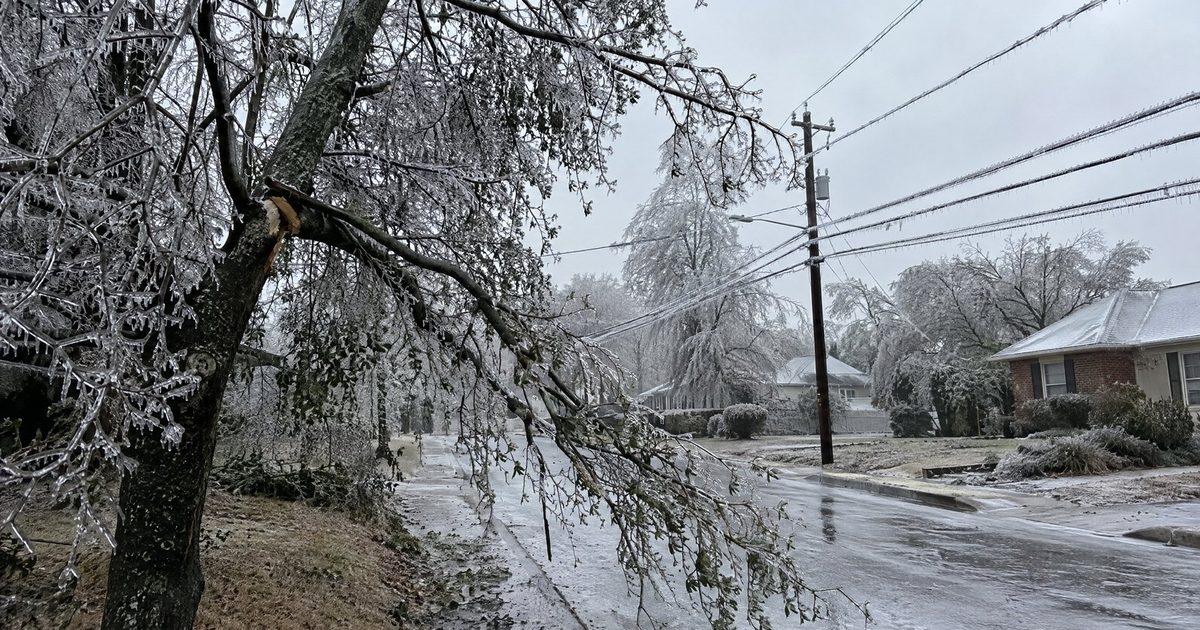
Ice storms are quiet, beautiful, and dangerous. Freezing rain coats everything in a heavy glaze of ice: trees, roofs, cars, and power lines. Even about a quarter inch of ice can bring down limbs and some lines, and heavier ice can snap whole trees and leave neighborhoods without power for days.
In an El Niño winter, ice storms are a real risk across the South. The pattern loads the region with moisture, and when cold air pushes in underneath, rain can freeze on contact. Here's how to prepare your home and family.
How Ice Storms Cause Damage
Ice is heavy. As it builds up on branches and power lines, the weight keeps growing, and wind makes it worse. Limbs snap, trees fall on roofs and cars, and lines come down. That's why ice storms often cause longer outages than snowstorms: crews have to clear trees before they can even start fixing lines.
Before the Season: Trim Your Trees
- Look for dead, weak, or overhanging branches, especially over your roof, driveway, and power lines.
- Hire a professional for large limbs and anything near power lines. Never trim near power lines yourself. Many utilities will trim trees near their lines if you call.
- Watch for leaning trees or trees with cracks or hollow spots, which are more likely to fall.
Before the Storm: Get Ready for a Long Outage
When an ice storm warning is issued, assume the power may be out for days.
- Charge everything: phones, power banks, and a power station like the Jackery Explorer 1000 v2 Power Station.
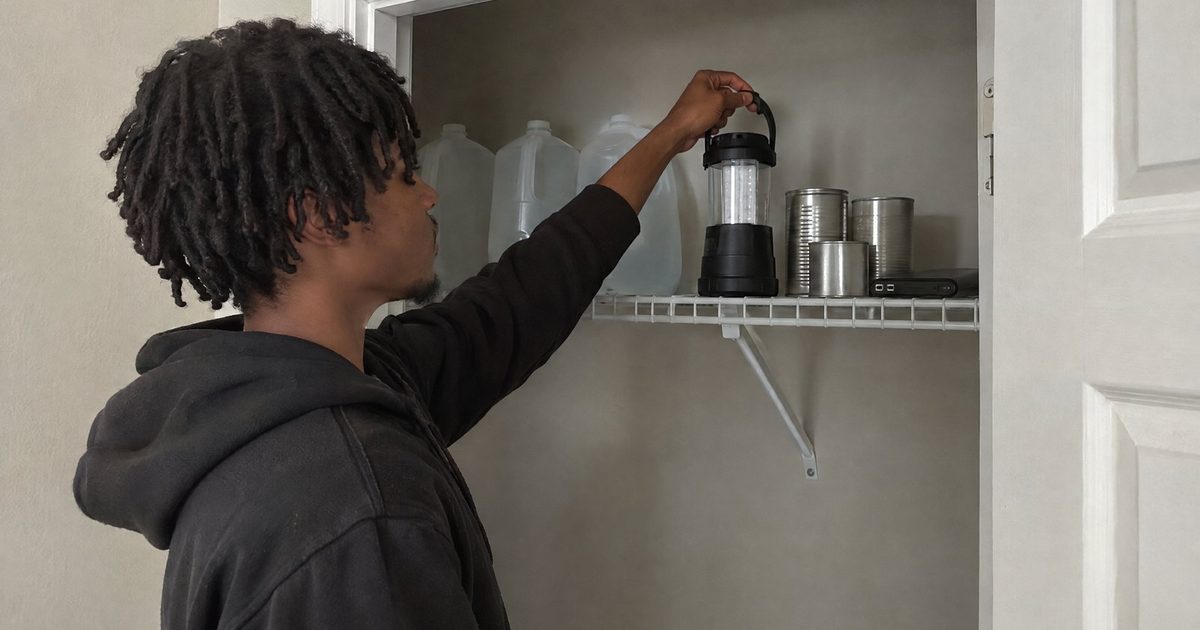
- Get your lights ready. LED lanterns like the Lichamp LED Camping Lanterns, 4 Pack are safer than candles.
- Stock water and food that doesn't need cooking.
- Gather warm gear: a cold-rated sleeping bag like the TETON Sports Celsius XXL Cold-Weather Sleeping Bag for each person, extra blankets, and HotHands Hand Warmers, 40 Pairs hand warmers.
- Fill your gas tank and get cash.
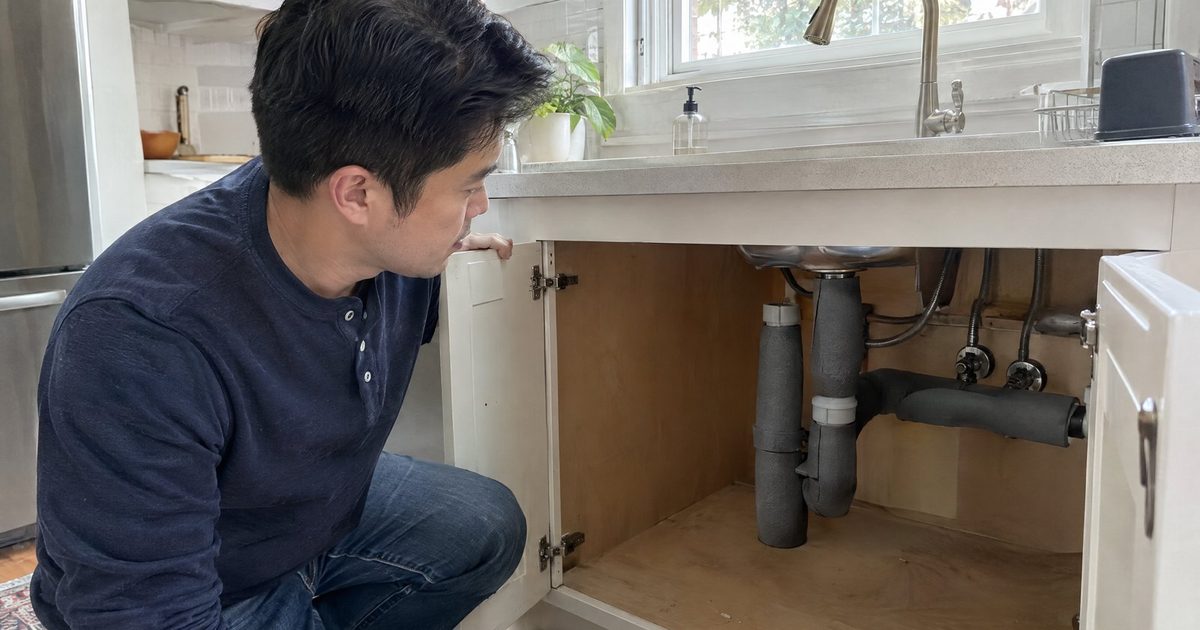
- Protect your pipes: drip faucets and open cabinets under sinks. See how to prevent frozen pipes.
- Move cars out from under trees.
- Turn on a weather radio. A Midland WR120B NOAA Weather Alert Radio (S.A.M.E.) keeps you updated when cell service drops.
Our guide to winter storm watches vs. warnings explains what an ice storm warning means.
During the Storm
- Stay inside, and away from windows near large trees.
- Don't drive. Ice makes roads extremely dangerous, and falling limbs add to the risk.
- Keep one room warm and gather everyone there.
- Never use a grill, generator, or oven for heat indoors. Run a battery CO alarm like the Kidde Battery-Powered CO Detector. If you use a generator, it stays outside, at least 20 feet from the house.
Downed Power Lines: Stay Far Away
This is the most important safety rule after an ice storm.
- Treat every downed line as live, even if it isn't sparking.
- Stay far away, at least 30 feet, and keep kids and pets away too.
- Don't touch anything a line is touching, like a fence, a car, or a puddle.
- Report downed lines to your utility and call 911 if anyone's in danger.
- If a line falls on your car while you're in it, stay inside and call 911, unless the car is on fire.
If You Use a Generator
Ice storms are when many people run generators for the first time, and when carbon monoxide poisonings spike. Set the generator up outdoors, at least 20 feet from the house, with the exhaust pointed away from doors, windows, and vents. Never run it in a garage, carport, or basement. Don't plug it into a wall outlet to power the house, because it can send electricity back into the lines and hurt utility crews. Use heavy-duty outdoor extension cords, or have an electrician install a transfer switch.
Protect Your Roof and Gutters
Ice adds a lot of weight to gutters and roof edges. Before the season, clean gutters so melting ice can drain instead of backing up. After the storm, don't climb a ladder or roof to knock ice down. Falls from ladders are a serious risk. If heavy ice is pulling gutters loose or limbs are on the roof, call a professional.
Walking on Ice
Falls are one of the most common ice storm injuries.
- Put down ice melt or sand on steps and walkways before the storm if you can.
- Wear shoes or boots with good grip.
- Walk slowly with short, flat-footed steps, like a penguin, and keep your hands free for balance.
- Use handrails.
After the Storm
- Look for damage from a safe distance: broken limbs hanging in trees, damaged roofs, and downed lines.
- Don't stand under trees with hanging or cracked limbs. Ice-loaded branches can fall without warning, even after the storm ends.
- Don't climb onto an icy roof to clear debris.
- Document damage with photos for insurance.
- Check on neighbors, especially older adults.
Gear Checklist
- Weather radio
- Power station and power banks
- LED lanterns and headlamps
- Sleeping bags and blankets
- Hand warmers
- Battery CO alarm
- Ice melt or sand
- Water and no-cook food
All of our cold-weather picks are in our Winter Storm Kit list.
Frequently Asked Questions
How much ice causes power outages?
Even about a quarter inch of ice can bring down tree limbs and some power lines. Heavier ice causes widespread damage and long outages.
How far should I stay from a downed power line?
At least 30 feet. Treat every downed line as live, and keep kids and pets away.
How do I prepare for an ice storm?
Charge your devices, stock water and no-cook food, gather blankets and sleeping bags, protect your pipes, fill your gas tank, and move cars away from trees.
Is it safe to drive during an ice storm?
No. Ice makes roads extremely slick, and falling limbs and lines add danger. Stay home if you can.