Standard emergency kits are built for adults. But babies and toddlers can't eat granola bars, can't drink unsafe water, can't stay warm on their own, and definitely can't wait while you run to a closed store for diapers. If you have little ones, they need their own plan.
Here's a complete checklist for keeping babies and toddlers fed, clean, warm, safe, and as calm as possible during a storm or outage. Talk to your pediatrician about anything specific to your child, especially medications and feeding.
1. Feeding
This is the most important part of the plan, because babies can't safely go without food or clean water.
If you formula-feed:
- Stock ready-to-feed formula. It comes premixed, so it doesn't need water, which matters if your tap water is unsafe or the power's out. It's the easiest emergency option.
- If you use powdered formula, keep bottled water on hand to mix it. During a boil water notice, don't mix formula with untreated tap water. Follow your pediatrician's guidance on safe water for formula.
- Keep at least a two-week supply, plus clean bottles and nipples. Disposable bottle liners or single-use bottles help when you can't wash dishes easily.
If you breastfeed:
- Breastfeeding is a great emergency option, since breast milk needs no water or power.
- Keep a manual breast pump in case an electric pump has no power.
- Stay hydrated and eat regularly.
For toddlers: stock pouches, shelf-stable milk, crackers, cereal, fruit cups, and other foods they already eat. A stressful time is not the time to try new foods.
2. Diapers and Hygiene
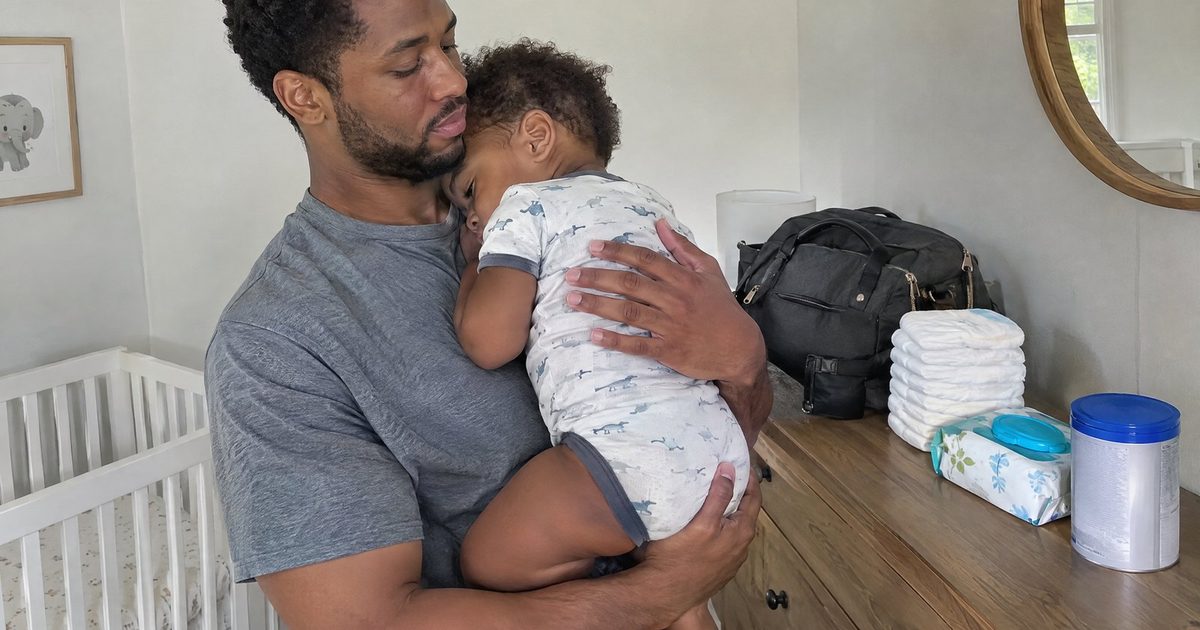
- Diapers: keep at least a two-week supply, and size up as your child grows.
- Wipes, which double as a way to clean up when water is limited.
- Diaper cream.
- Hand sanitizer for you.
- Trash bags for used diapers.
- Changing pads that can be wiped clean.
3. Safe Sleep
Even during an outage, follow safe sleep rules:
- Bring a portable crib or play yard if you have to leave home.
- Place babies on their back on a firm, flat surface.
- Never let a baby sleep on a couch, armchair, or adult bed during an emergency, even if everyone's exhausted.
- Keep loose blankets, pillows, and stuffed animals out of an infant's sleep space.
4. Staying Warm
Babies lose heat faster than adults, which makes winter outages risky.
- Dress them in layers, including a hat and socks.
- Use a wearable blanket or sleep sack instead of loose blankets for infants.
- Keep the whole family in one warm room. Adults and older kids can use a cold-rated sleeping bag like the TETON Sports Celsius XXL Cold-Weather Sleeping Bag.
- Never use a grill, oven, or generator indoors for heat. A battery CO alarm like the Kidde Battery-Powered CO Detector is a must in any room where your family sleeps during an outage.
Our guide to staying warm in a winter outage covers safe heat.
5. Health and Medicine
- A first aid kit, like the Be Smart Get Prepared 110-Piece First Aid Kit, plus baby-specific items: a thermometer, a nasal aspirator, and saline drops.
- Fever and pain medicine your pediatrician has approved for your child's age and weight, and the correct dosing device.
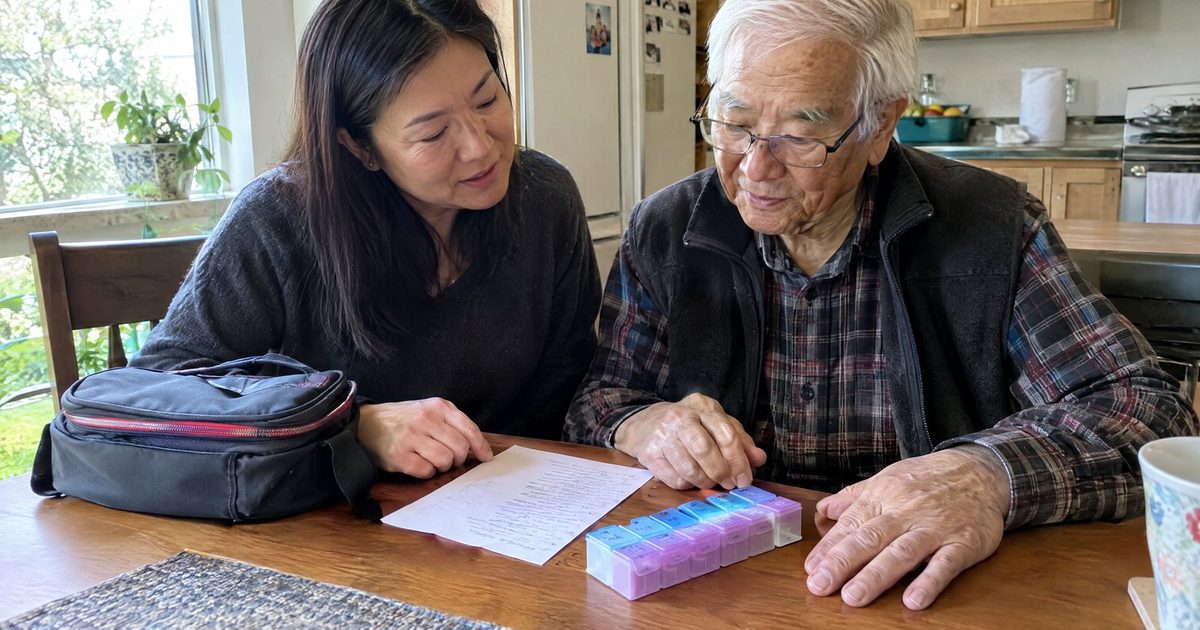
- Any prescriptions, with a written list.
- Your pediatrician's phone number on paper.
6. Light and Comfort
Darkness and loud storms are scary for little ones.
- LED lanterns, like the Lichamp LED Camping Lanterns, 4 Pack, light a whole room safely. Never use candles around kids.
- A headlamp, like the Energizer PRO-260 LED Headlamp, keeps your hands free for diaper changes and feeding at night.
- Comfort items: a favorite stuffed animal, blanket, pacifier, and a few small toys or books.
- Familiar routines: bath (or a wipe-down), books, and songs at the usual bedtime.
7. Documents
Keep these in a fire- and water-resistant pouch like the Andyer Fireproof & Water-Resistant Document Bag:
- Birth certificates
- Immunization records
- Insurance cards
- Medical information and allergies
- Recent photos of your children, in case you get separated
8. Evacuating With Little Ones
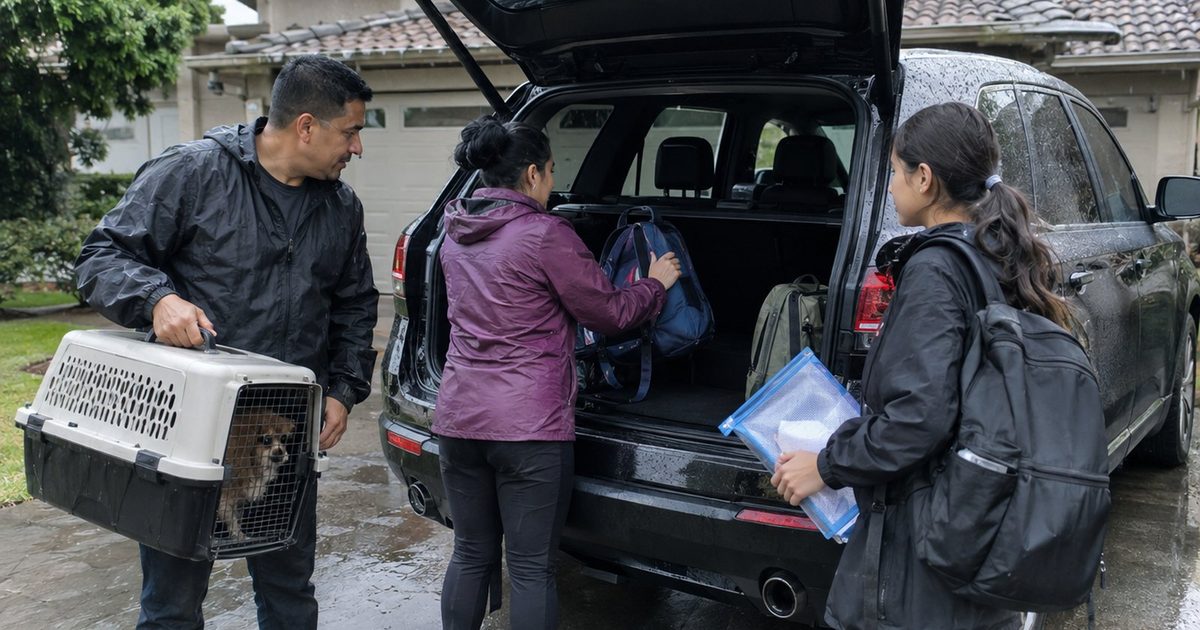
- Pack a separate baby go-bag with formula or feeding supplies, diapers, wipes, clothes, medicine, and comfort items.
- Keep the car seat ready and installed.
- Bring a carrier or wrap to keep your hands free.
- Leave early. Everything takes longer with kids.
Our evacuation checklist covers the rest of the family.
9. Check the Kit as They Grow
Kids change fast, and a baby kit packed in spring may be useless by winter. Every three months, check diaper and clothing sizes, swap formula or foods for what your child eats now, check expiration dates on formula and medicine, and update the photos in your document pouch. Set a reminder so it doesn't slip.
10. Keeping Them Calm
Little kids take their cues from you. Stay calm, keep them close, and narrate what's happening simply: "That's the wind. We're inside and safe." Our guide to talking to kids about storms has more tips.
Frequently Asked Questions
What's the best formula for emergencies?
Ready-to-feed formula, because it doesn't need water. If you use powdered formula, store bottled water to mix it, and follow your pediatrician's guidance.
How many diapers should I keep in an emergency kit?
Aim for at least a two-week supply, and update the size as your child grows.
How do I keep a baby warm during a power outage?
Dress them in layers with a hat and socks, use a wearable blanket or sleep sack instead of loose blankets, and keep the family together in one warm room.
Can my baby sleep with me during an emergency?
Safe sleep rules still apply. Use a portable crib or play yard, and never let a baby sleep on a couch or armchair.