When a storm hits, older adults face some of the highest risks. Medications run low, medical devices lose power, cold and heat hit harder, and evacuating takes more time. If you care for an aging parent, grandparent, or neighbor, a little planning before storm season can make all the difference.
Here's a caregiver's checklist to work through together. Go through it with the person you care for, not just for them. It works best when they know the plan too.
1. Medications
- Keep at least a week's supply of every prescription on hand when possible, and ask the doctor or pharmacist about getting refills early before storm season.
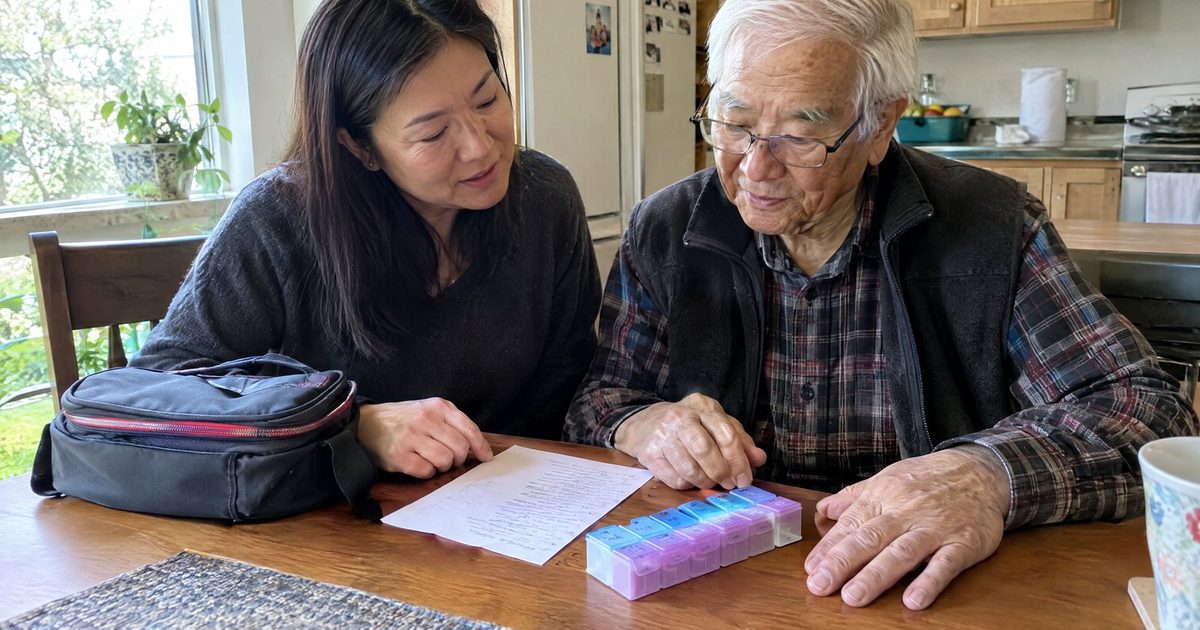
- Make a written medication list: each drug, the dose, when it's taken, the prescribing doctor, and the pharmacy. Keep copies in the emergency kit and with you.
- Plan for medications that need refrigeration, like insulin. Ask the pharmacist how long they can safely go without refrigeration, and keep a small cooler and ice packs ready.
- Don't forget the basics: reading glasses, hearing aids with extra batteries, and dentures.
2. Medical Devices and Power
Power outages are especially dangerous for anyone who uses oxygen concentrators, CPAP machines, power wheelchairs, or other electric medical equipment.
- Get backup power. A battery power station like the Jackery Explorer 300 Portable Power Station can run a CPAP overnight. Ask the device maker how long their equipment runs on battery, and how much power it draws.
- Contact the electric utility. Many utilities have medical programs or lists for customers who depend on powered medical equipment. Being on the list doesn't guarantee faster restoration, but it can mean extra notice and check-ins.
- Talk to the equipment supplier about backup oxygen tanks or batteries.
- Know the plan if the outage lasts longer than the backup power. That may mean going to a family member's home with power, a hospital, or a shelter with power.
3. Mobility and Getting Out
- Plan the route out of the home, and make sure walkers or wheelchairs can get through.
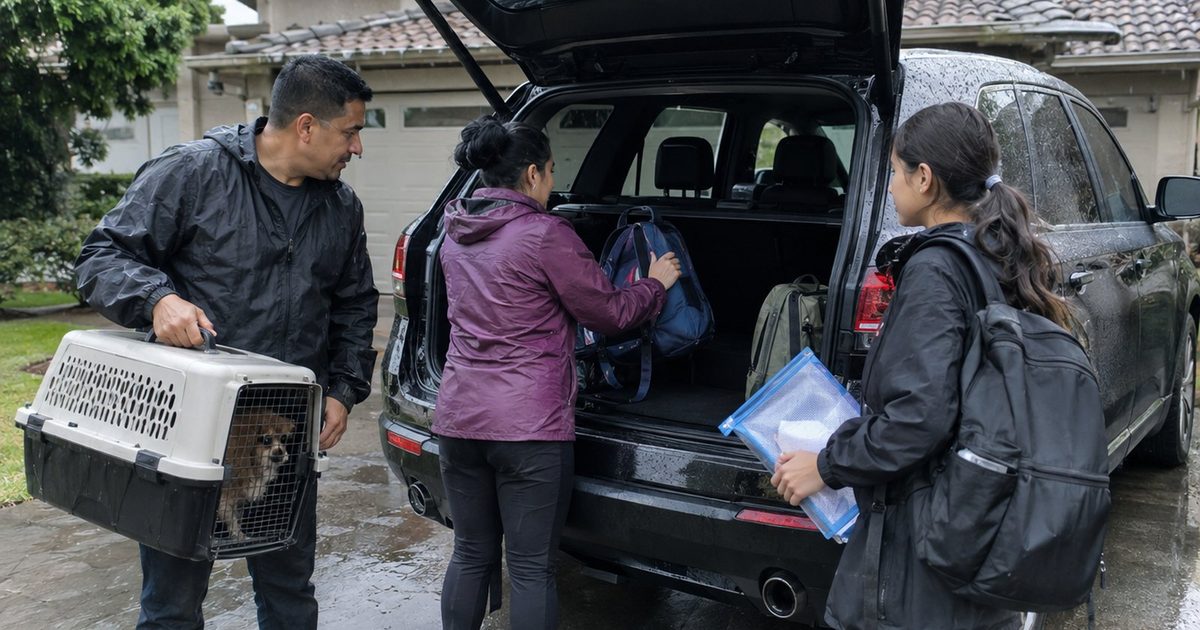
- Leave early. If an evacuation is possible, don't wait for the last minute.
- Line up a ride ahead of time if they don't drive.
- Check whether the county has a special needs registry, which helps emergency responders know who may need help.
- Keep a flashlight and shoes next to the bed to prevent falls during nighttime outages. LED lanterns like the Lichamp LED Camping Lanterns, 4 Pack light up a room safely, unlike candles.
4. Communication
- Set up a daily check-in during storms, with a set time to call or text.
- Write down important numbers on paper: family, doctors, the pharmacy, and the utility.
- Keep a phone charged, plus a power bank like the Anker 20,000mAh Power Bank.
- Make sure they can hear warnings. A NOAA weather radio like the Midland WR120B NOAA Weather Alert Radio (S.A.M.E.) sounds an alarm for local warnings, and some models work with alert devices for people with hearing loss.
- Add a neighbor to the plan who can check in if you can't get there.
5. Safety at Home
- Install a battery carbon monoxide alarm, like the Kidde Battery-Powered CO Detector, near where they sleep.
- Make sure smoke alarms work.
- Remove tripping hazards that are dangerous in the dark.
- Talk through what not to do in an outage: never use a grill, generator, or oven for heat indoors. Our guide to carbon monoxide safety during power outages explains why.
6. Documents and Information
Keep these together in a fire- and water-resistant pouch like the Andyer Fireproof & Water-Resistant Document Bag:
- Medication list and doctors' contact information
- Copies of insurance cards and ID
- A short medical summary: conditions, allergies, and devices
- Advance directives or power of attorney papers, if they have them
- Emergency contacts
7. The Emergency Kit
Build a kit with water, easy-to-eat food that fits any dietary needs, a Be Smart Get Prepared 110-Piece First Aid Kit first aid kit, flashlights, blankets, a change of clothes, and comfort items. Our Emergency Supplies Essentials list has the basics.
8. Cold and Heat
Older adults lose body heat faster and may not notice they're getting cold. During winter outages, keep them in one warm room with layers and blankets. Our guide to staying warm in a winter outage covers safe heat.
If They Have Memory Loss
Storms can be extra confusing for someone with dementia or memory loss. Keep routines as normal as possible, put written instructions in large print where they'll see them, like "Flashlight is in the drawer by your bed," and make sure a family member or neighbor checks in more often. If you need to evacuate, bring familiar items, like a favorite blanket or photos, to ease the stress of a new place.
When They Live in Assisted Living
Ask the facility for its emergency plan: backup power, evacuation, how families are contacted, and how medications are handled. Make sure they have your current phone number.
Frequently Asked Questions
How can I help an elderly parent prepare for a storm?
Make sure they have extra medications and a written list, backup power for medical devices, a way to get warnings, a daily check-in plan, and a ride if they need to evacuate.
What should seniors keep in an emergency kit?
Water, easy-to-eat food, medications and a medication list, glasses and hearing aid batteries, a flashlight, blankets, a first aid kit, documents, and comfort items.
What happens to medical equipment during a power outage?
It stops working unless it has a battery or backup power. Plan ahead with a power station or backup batteries, and contact the utility about medical programs.
Should seniors register for special needs programs?
If their county offers a special needs registry, it can help emergency responders know who may need extra help during evacuations.